cpeditor
Bitcoin’s Surge Reversed as Powell Warns of Stagflation Risks Amid Trump’s Tariff Plan
Bitcoin’s attempt at a rally, pushing towards the $86,000 level, quickly fizzled out on Wednesday afternoon following a speech by Federal Reserve Chair Jerome Powell, in which he raised concerns about the economic effects of President Donald Trump’s tariffs. Powell’s remarks regarding stagflation—an economic condition that combines inflation with stagnant economic growth—caused a sharp downturn in Bitcoin’s price.
Powell warned that the magnitude of the tariff increases was much larger than anticipated and could lead to higher inflation combined with slower economic growth. This could create a stagflationary environment, echoing the challenges faced by the U.S. during the 1970s.
“The announced tariff increases are much larger than expected, and so will likely be the economic impacts, including higher inflation and slower growth,” Powell said, hinting at the potential for stagflation. The Fed chair acknowledged the potential conflict between managing inflation and encouraging growth, noting, “We may find ourselves in a scenario where our dual-mandate goals are in tension.”
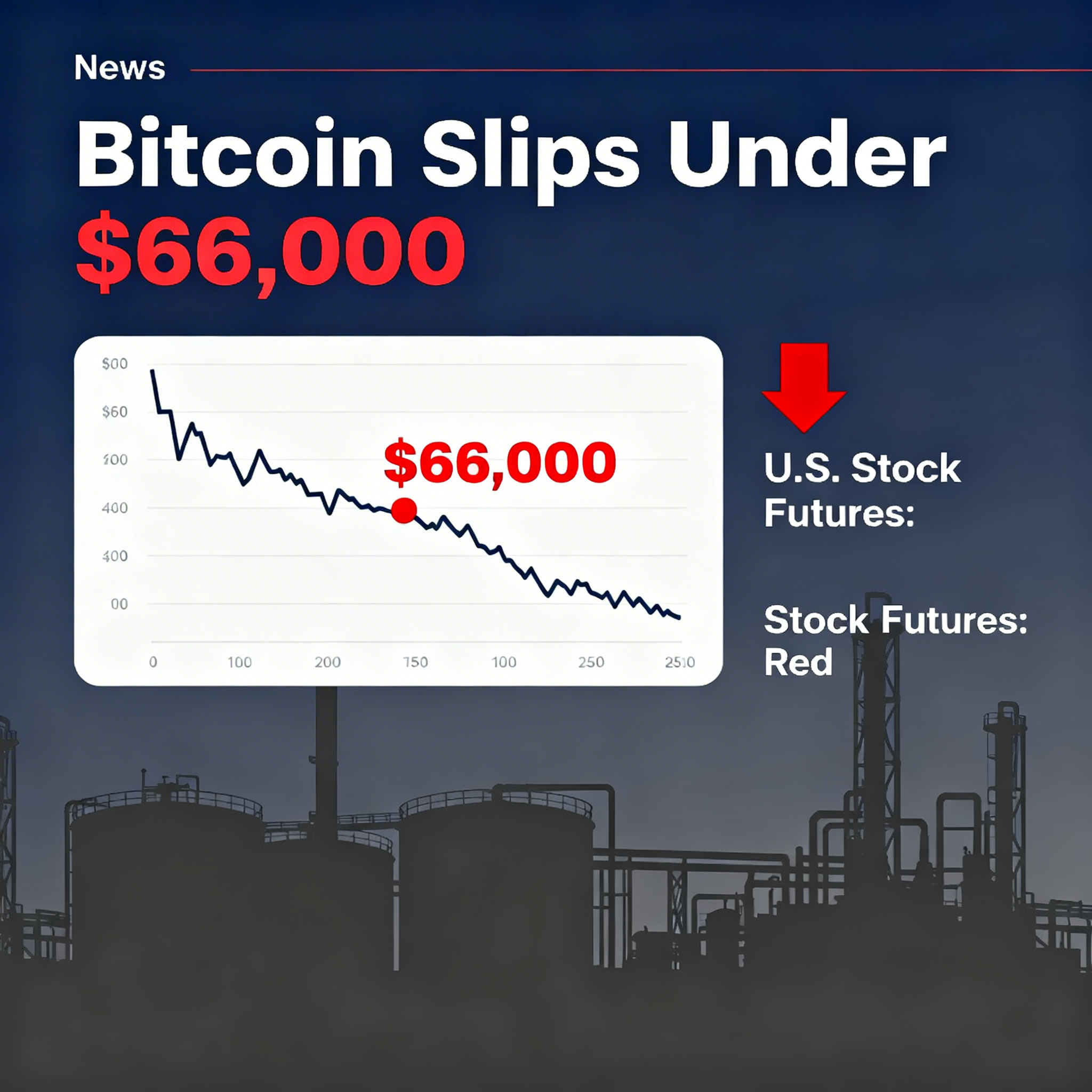
Bitcoin, which had been pushing towards the $86,000 mark, dropped roughly 2.5% in the wake of Powell’s comments, settling around $83,700—a 1.5% drop in the last 24 hours. The move downward came after Bitcoin showed signs of strength earlier in the day, highlighting how quickly sentiment can shift in response to macroeconomic fears.
Tariff Fears Impacting Both Crypto and Stock Markets
U.S. stocks also reacted negatively to Powell’s speech. Despite initial efforts to recover from early declines, the Nasdaq suffered a significant 3.4% drop, mirroring the negative impact Powell’s comments had on risk assets, including Bitcoin.
Quinn Thompson, CIO at Lekker Capital, commented on Powell’s hawkish tone, suggesting that the market should lower expectations for any immediate rate cuts. According to Thompson, Powell’s remarks signal that the Fed is unlikely to ease monetary policy anytime soon, which could hurt riskier assets such as Bitcoin.
“It seems like a rate cut in May is firmly off the table, and June is uncertain,” Thompson said. “For Bitcoin, liquidity and policy intervention are key, and right now, both seem quite distant. This leaves a challenging outlook for Bitcoin in the near term.”
Fed Chair Discusses Stablecoin Regulation
Amid Powell’s remarks on tariffs and inflation, he also addressed the growing role of cryptocurrencies in the financial system. As cryptocurrencies become more mainstream, Powell acknowledged the need for clearer legal frameworks around stablecoins. He suggested that banking regulation for crypto could be “partially relaxed,” signaling a shift toward more flexibility in integrating digital assets into the broader financial landscape.
This regulatory development aligns with recent progress in the U.S. Senate, where lawmakers have moved forward with a bill to regulate stablecoin issuers, marking a significant step toward establishing a clearer framework for crypto in the U.S. financial system.
Market Outlook
Despite Powell’s remarks signaling potential headwinds for both traditional markets and crypto, the longer-term outlook for Bitcoin remains focused on liquidity and policy shifts. While Powell’s hawkish stance may put a damper on short-term market sentiment, the continued evolution of crypto regulation could pave the way for Bitcoin’s future growth.
In the short term, however, Bitcoin’s recent rally has been derailed as fears of stagflation, combined with tariff-induced inflationary pressures, take center stage in the market’s concerns. With the immediate economic environment uncertain, investors will be keeping a close eye on upcoming Fed meetings and any policy shifts that might impact the broader market—and Bitcoin’s price trajectory.