cpeditor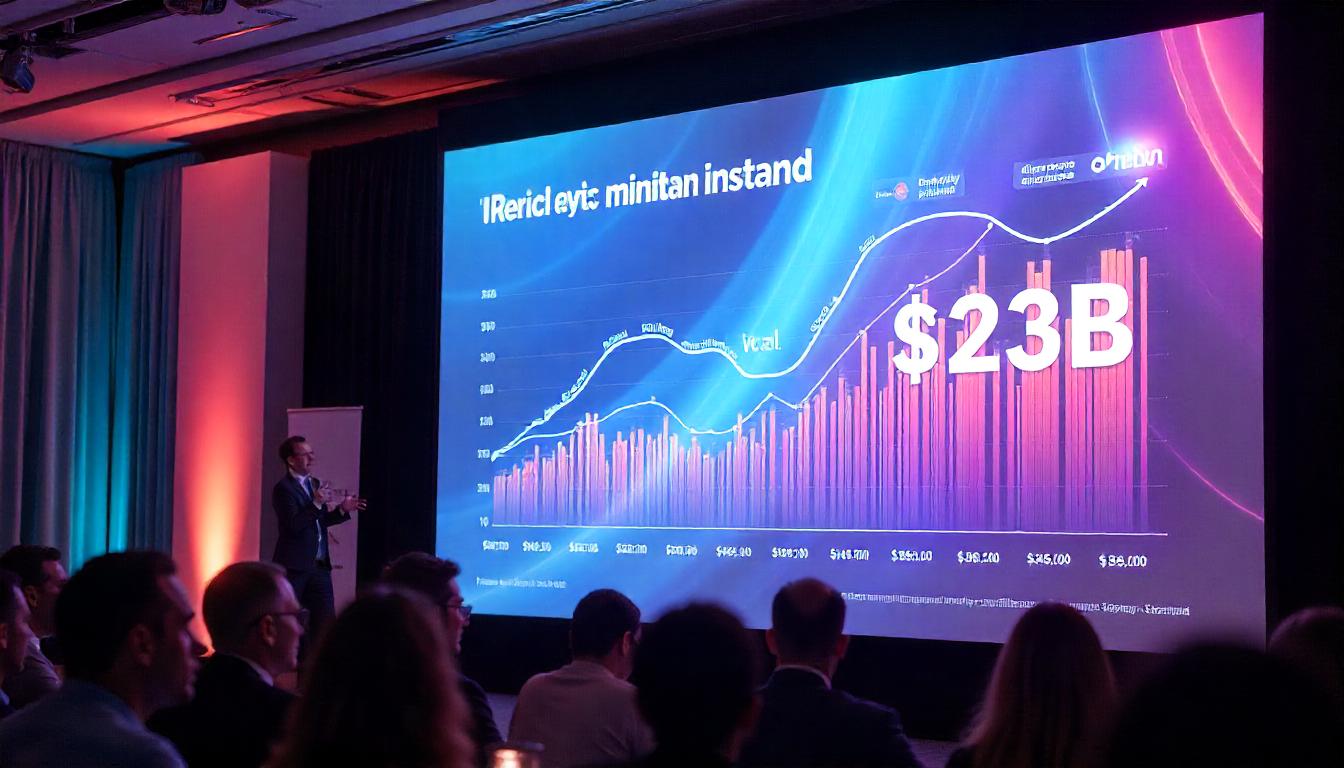
Deribit’s RFQ Platform Sees $23B in Institutional Trades, Now Powers Over a Quarter of Block Activity
Deribit’s Block Request-for-Quote (RFQ) system has surpassed $23 billion in cumulative volume since launching in early March, as institutional adoption continues to accelerate. The platform’s share of block trading activity surged to 27.5% in June, up from 21% in May and 17% in April, according to data released by the crypto derivatives exchange.
The RFQ interface—designed for large-scale, off-order-book trades—caters to institutional desks, high-frequency trading firms, and sophisticated crypto options participants seeking efficient execution with minimal market impact.
Deribit, the world’s leading crypto options exchange by volume, facilitates derivatives trading for Bitcoin (BTC), Ethereum (ETH), Solana (SOL), and XRP, alongside its futures and spot trading platforms.
📈 How the RFQ System Works
Launched in March 2025, Deribit’s RFQ tool allows institutional takers to request quotes for complex trading structures—ranging from single-instrument orders to multi-leg strategies spanning spot, futures, and options. Liquidity providers (makers) respond with one- or two-sided bids, after which the best available pricing is presented for execution.
This private quote mechanism allows large trades to be executed outside public order books, avoiding slippage and front-running risk.
“The RFQ system supports multi-leg trades, multiple maker quotes, and greater pricing efficiency,” said Luuk Strijers, Deribit’s CEO. “It’s tailored for professional desks managing size and complexity, while reducing adverse selection for market makers.”
💼 Institutional Momentum Building
Trading volumes via the RFQ interface have grown rapidly:
- March: $883 million
- April: $6.3 billion
- May: $9.8 billion
- June (first half): Over $6 billion
The rising adoption, paired with deeper quote competition and anonymity features, is signaling a shift in how institutional players approach crypto derivatives execution.
“By enabling competition across makers and supporting partial fills, RFQ creates a better environment for both sides of the trade,” Strijers added. “Institutions benefit from improved price discovery, while makers tighten spreads.”
🔍 Looking Ahead
With nearly one-third of block trades now routed through RFQ, Deribit’s innovation in execution tools is further evidence of crypto’s maturation into a more institutionally-aligned trading landscape.
As regulatory clarity improves and crypto-specific infrastructure advances, tools like Deribit’s RFQ may become standard for firms seeking large, efficient, and discreet digital asset execution.