cpeditor
Crypto Trading Volumes Plunge in February as Market Faces Tariff Uncertainty
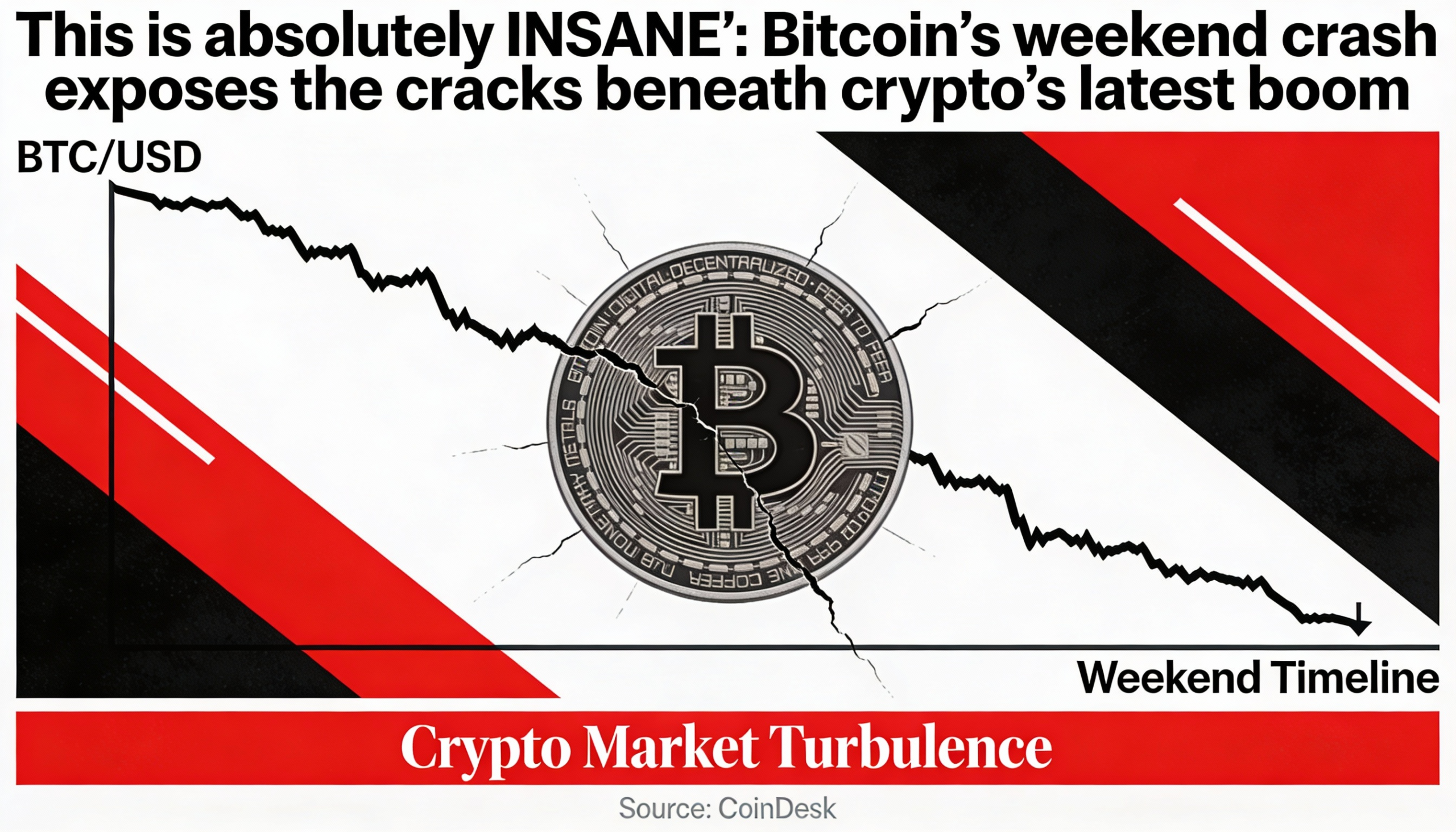
Global cryptocurrency trading activity fell sharply last month, as fears of new U.S. trade tariffs under the Trump administration led investors to steer away from high-risk assets.
According to CoinDesk Data’s latest Exchange Review, total spot and derivatives trading volume on centralized exchanges dropped 21% to $7.2 trillion, reaching its lowest point since October 2024.
Regulatory and Economic Concerns Weigh on Markets
The decline coincided with renewed tariff threats on major trading partners like Mexico, Canada, China, and the European Union, sparking concerns about global economic stability. Investors opted for safer positions, slowing down crypto trading momentum.
Exchanges Face a Drop in Volume, But Binance Holds Lead
Despite the market slowdown, Binance maintained its position as the largest crypto exchange, commanding 27% of total spot trading volume. Other major players included Crypto.com (8.1%), Bybit (7.4%), Coinbase (COIN), and MEXC Global.
CME Sees First Derivatives Volume Decline in Months
The derivatives market wasn’t spared from the slowdown, with institutional players pulling back:
- CME’s total crypto derivatives volume fell 20% to $229 billion
- Bitcoin (BTC) futures trading on CME dropped 20% to $175 billion
- Ether (ETH) futures trading slid 13% to $35.9 billion
Notably, the BTC CME annualized basis hit 4.08%, its lowest level in nearly a year. However, CME’s market share among derivatives platforms rose to a record 4.67%, suggesting that institutional investors continue to participate despite declining volumes.
Retail Interest Declines, Open Interest Hits a New Low
Retail-driven trading activity also saw a significant dip, with Robinhood (HOOD) reporting a 29% drop in crypto trading volume for February. Meanwhile, open interest across all centralized exchanges plummeted 30% to $78.8 billion, the lowest level since November 2024, reflecting an increase in market-wide liquidations.
With macroeconomic factors pressuring risk assets, crypto markets may continue to experience lower trading volumes until regulatory uncertainty clears and investor confidence returns.