cpeditor
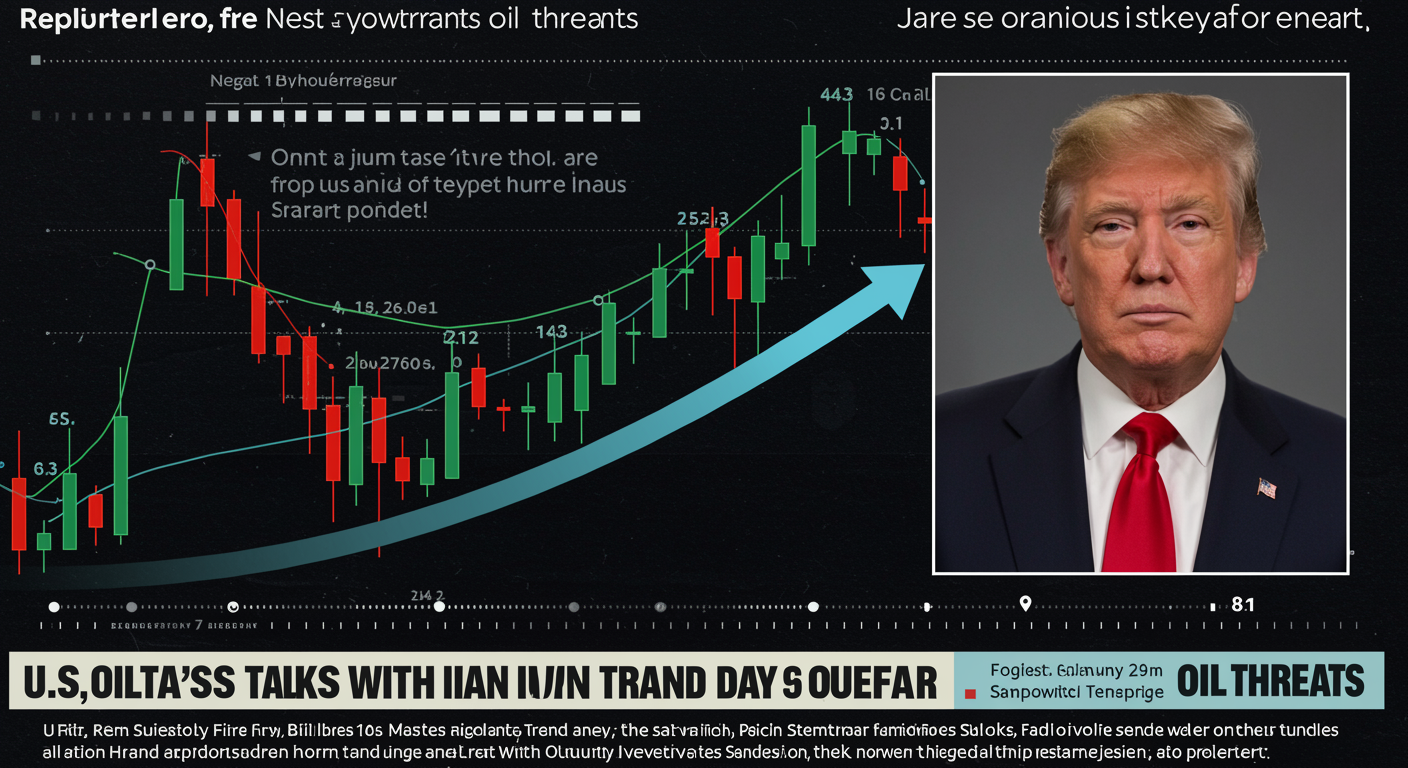
Middle East tensions are rattling markets as oil prices surge and traditional safe havens falter.
Expectations for Federal Reserve policy have swung sharply. Just weeks ago, markets priced in multiple rate cuts for 2026. Today, the odds of rate hikes are rising. The CME FedWatch Tool shows nearly a 30% chance the federal funds rate will end the year above the current 3.50%–3.75% range, while the likelihood of a cut has dropped to just 2.9%.
Energy markets are driving much of this shift. Brent crude has jumped from roughly $70 per barrel in late February to $111, pushing the 10-year Treasury yield up to 4.40% from below 4%.
“Food and energy prices are likely to remain elevated for some time, at least until Middle East shipping is restored,” noted the Crypto is Macro Now newsletter. Core inflation was already above the Fed’s 2% target before the oil rally, with February at 2.5% year-over-year. Longer-term inflation expectations remain elevated, with 5-year and 10-year measures at 2.5% and 2.3%, respectively.
Despite these pressures, the U.S. economy could benefit from higher energy export revenue, and rising military spending may provide additional stimulus, helping to cushion GDP from a sharp slowdown.
Bitcoin vs. traditional assets
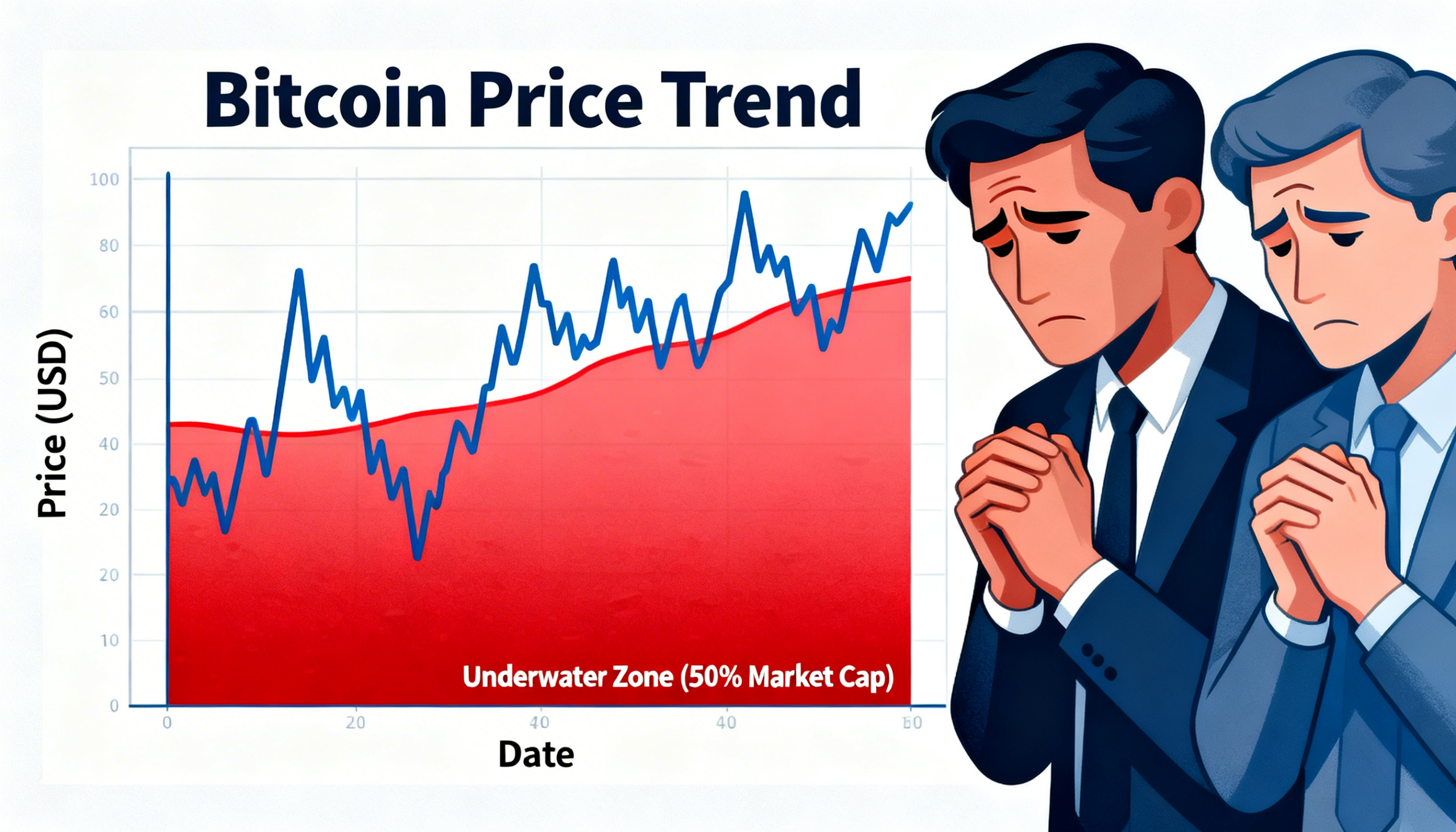
Bitcoin has remained largely in the $65,000–$70,000 range, showing relative resilience since the escalation of the Iran conflict. In contrast, gold has fallen about 20%, while the Nasdaq entered correction territory Friday after dropping more than 10% from its 2026 highs.
Yet over longer time frames, Bitcoin continues to lag. Gold has more than doubled over the past year, and the Nasdaq is up 50% from April 2025 lows. Bitcoin remains roughly 50% below its October 2025 peak, highlighting that despite short-term stability, it underperforms major assets like stocks and gold.