cpeditor
Rising Jobless Claims Overshadow Inflation as Recession Fears Grow
Initial jobless claims surged to 263,000 last week — the highest in nearly four years — signaling weakening economic growth and reviving concerns about stagflation.
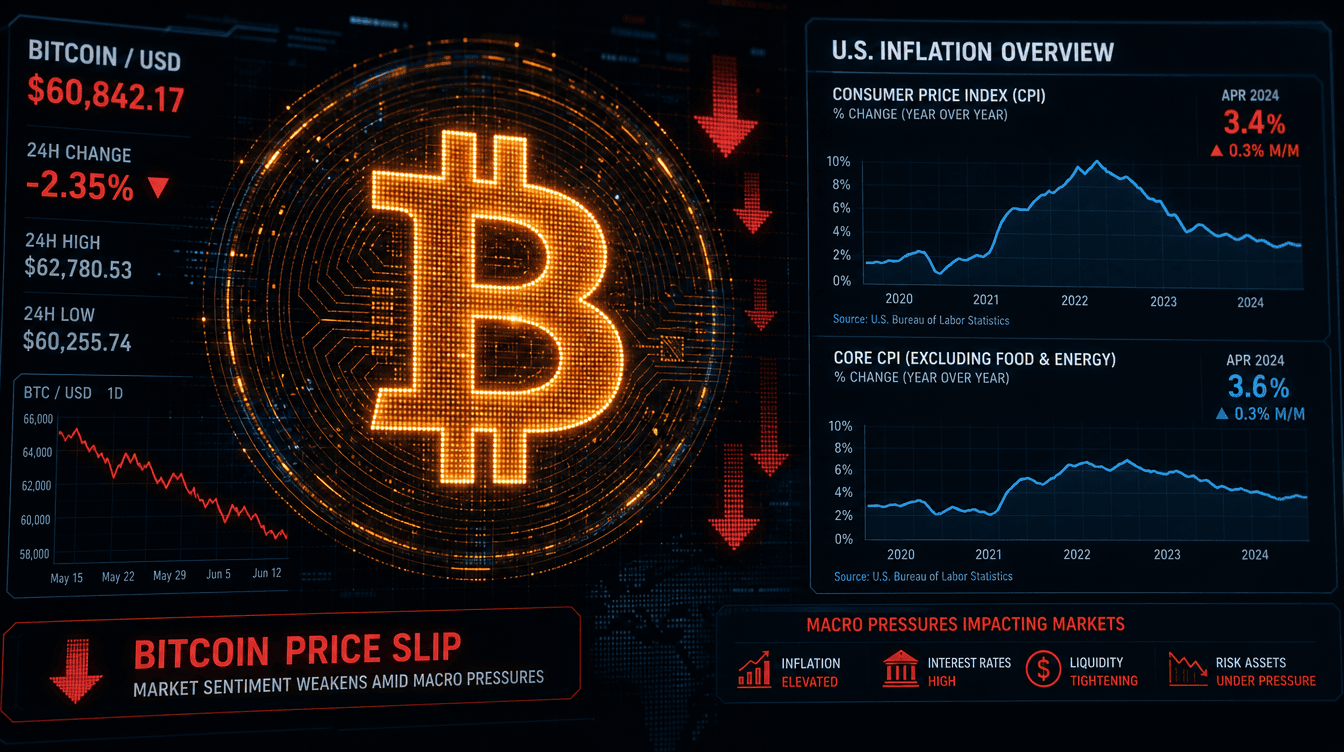
Markets appeared largely unmoved by hotter-than-expected inflation data for August and instead focused on signs that the U.S. labor market may be faltering. The Consumer Price Index (CPI) showed headline inflation at 2.9% year-over-year and core inflation at 3.1%, both well above the Federal Reserve’s 2% target. Under normal circumstances, such readings might suggest the Fed should maintain current rates.
Yet investors shifted attention to weekly initial jobless claims from the Department of Labor. Claims jumped to 263,000, up from 236,000 the previous week and far above the 235,000 forecast. The surge in claims drove the 10-year Treasury yield down five basis points, dipping below 4% for the first time since April’s tariff-driven market turmoil.
Crypto markets initially reacted to the higher-than-expected inflation with modest declines, but quickly rebounded as employment data took center stage. Bitcoin (BTC) and Ether (ETH) posted modest gains, while altcoins showed more pronounced moves. Solana (SOL) rose 11% week-over-week to its highest level since January, Dogecoin (DOGE) jumped 17%, and XRP climbed 6.6%, reclaiming the $3 level.
“Evidence of a slowdown in the U.S. is now appearing in the hard data; it’s no longer just in the sentiment surveys,” said Brian Coulton, chief economist at Fitch.
The numbers highlight a key challenge for policymakers: stagflation, a rare economic condition characterized by high inflation and stagnant growth. Cutting interest rates to stimulate growth could exacerbate inflation, but holding rates steady while the labor market weakens is equally problematic.
For now, traders are betting the Fed may prioritize growth, with markets pricing in a near-certain rate cut next week. Still, economists warn that the path forward is increasingly complex.
“It’s going to be a rough few months ahead as the tariffs’ impact works its way through the economy,” said Heather Long, chief economist at Navy Federal Credit Union. “Americans will experience higher prices and likely more layoffs.”