cpeditor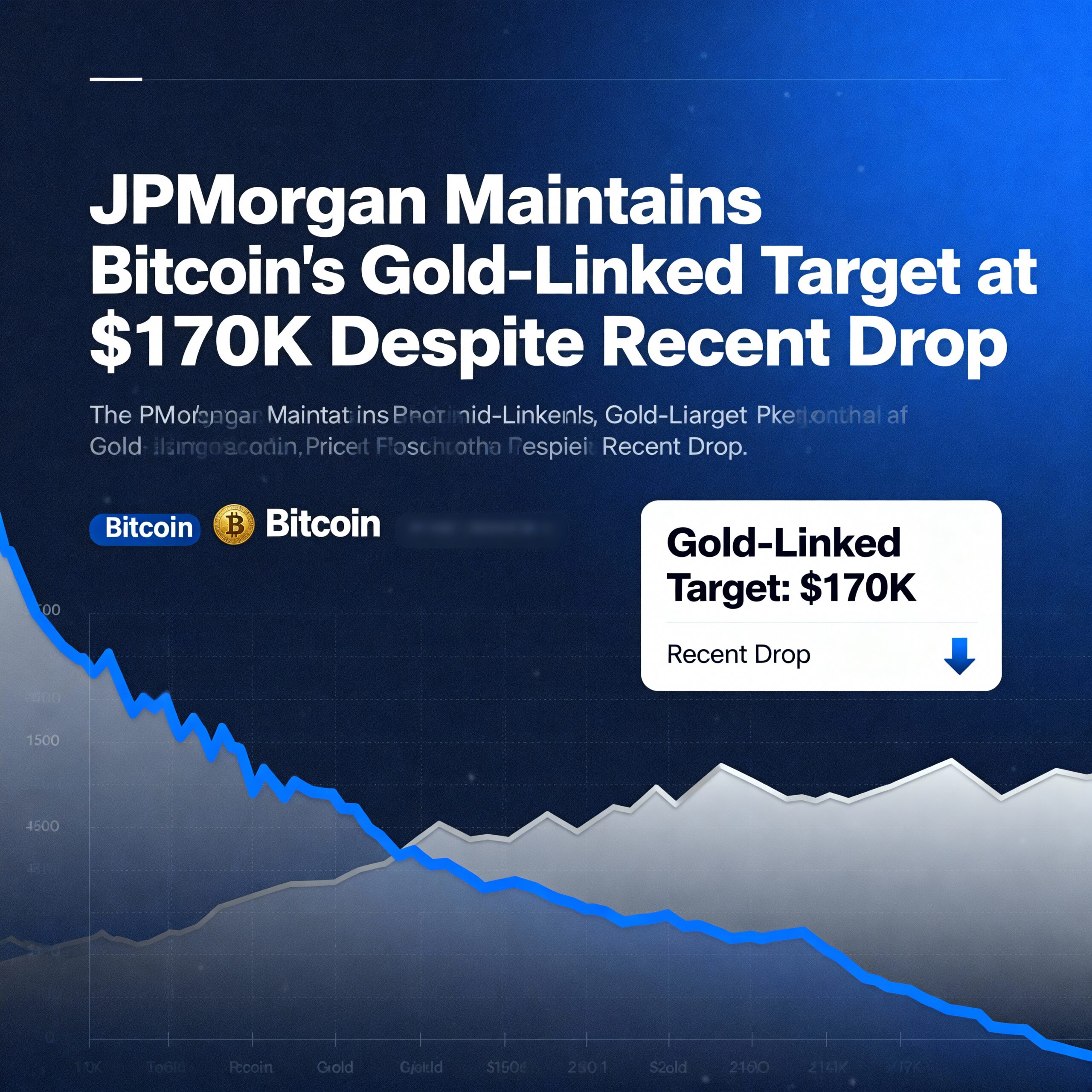
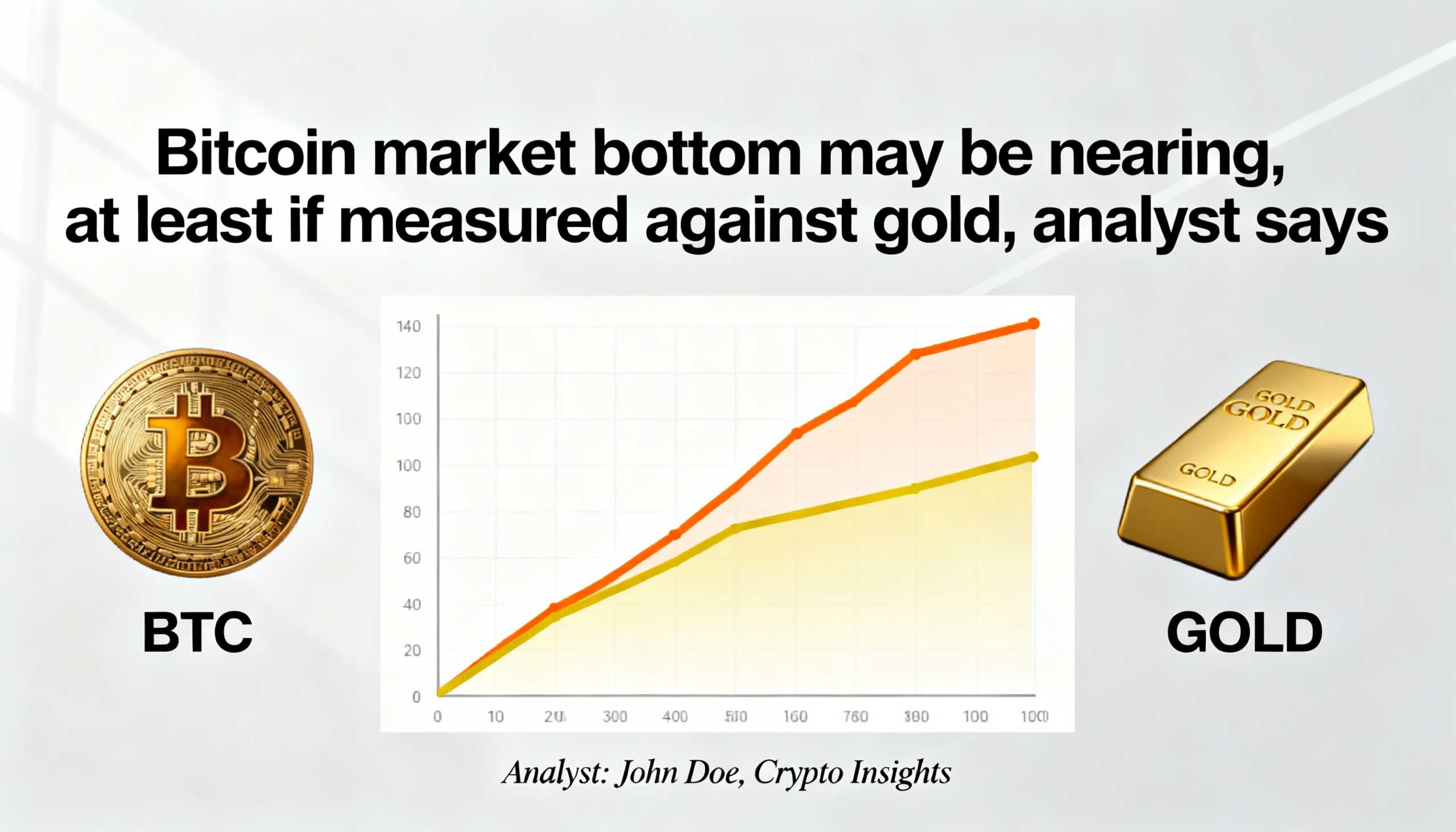
Despite recent sharp declines in Bitcoin’s price, Wall Street giant JPMorgan remains confident in its volatility-adjusted BTC-to-gold model, maintaining a theoretical target of around $170,000 over the next six to twelve months.
At the time of publication, the world’s largest cryptocurrency was trading near $91,200.
MicroStrategy (MSTR) continues to play a pivotal role in Bitcoin’s outlook, with markets closely watching its enterprise-value-to-bitcoin-holdings ratio (mNAV), currently around 1.13. Analysts led by Nikolaos Panigirtzoglou noted in their Wednesday report that this metric serves as a key gauge of forced-selling risk if it drops below 1.0. Encouragingly, the company’s mNAV remains above this threshold.
The analysts also highlighted MicroStrategy’s $1.4 billion cash reserve as a buffer against the need to liquidate bitcoin holdings. They pointed to the upcoming MSCI index decision on January 15 as a potential asymmetrical catalyst: while exclusion is largely priced in following a steep drop in shares since October 10, a positive outcome could trigger a strong rebound.
Founded by Michael Saylor, MicroStrategy is the largest corporate holder of Bitcoin, with 650,000 BTC on its balance sheet. The company has faced scrutiny in recent weeks after Bitcoin fell from an all-time high above $120,000 to around $82,000.
JPMorgan attributed part of the recent drop to renewed pressure on mining in China and a pullback from higher-cost miners elsewhere, some of whom reportedly sold Bitcoin amid persistently high energy costs. The bank has lowered its estimate for Bitcoin’s production cost to $90,000 from $94,000, reflecting recent declines in network hash rate and mining difficulty.
The hash rate represents the total computing power dedicated to mining and validating transactions on a proof-of-work blockchain, often used as a proxy for mining competition and difficulty. Prolonged trading below production costs can become self-reinforcing, as marginal miners exit the market, lowering difficulty and pushing cost estimates downward—similar to trends observed in 2018, the analysts noted.