cpeditor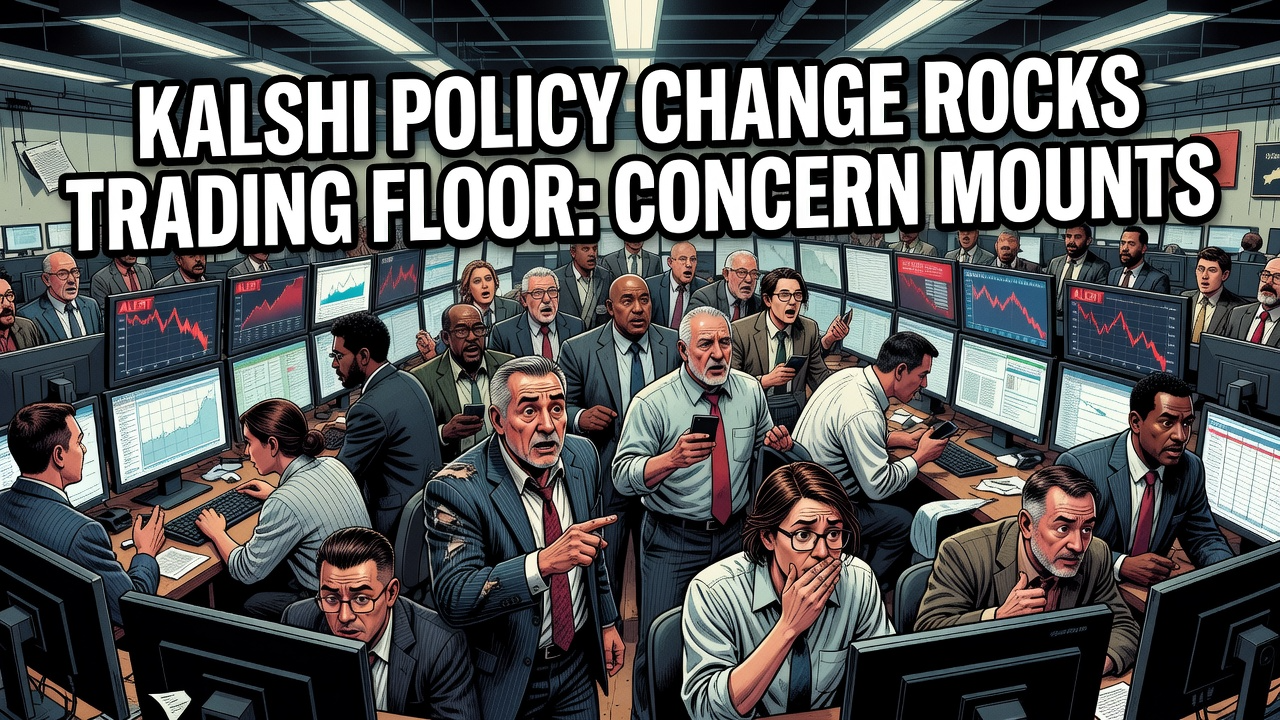
Kalshi rolled out new compliance measures on Tuesday aimed at markets it views as more exposed to insider trading and manipulation risks.
The prediction-market platform said it will now require certain users to disclose their employers as part of a wider effort to prevent abuse and strengthen market integrity.
The federally regulated exchange said the policy will apply specifically to contracts flagged as higher risk, where participants may be screened before being allowed to trade.
Kalshi added that the changes take effect immediately and were developed following recommendations from an independent Surveillance Audit Committee that reviewed its monitoring systems, enforcement practices, and trading safeguards.
“For markets with elevated insider or manipulation risk, we now collect employment information prior to participation,” the company said, explaining that the goal is to identify traders who may possess material non-public information about an event outcome.
The move comes as prediction markets face increasing scrutiny from researchers and regulators. Recent academic analysis of Polymarket trading activity from 2023 to 2025 found that a small group of traders drove most price action, while separate cases have alleged insider betting tied to sensitive political and military events.
Kalshi said it has already blocked more than 100 suspected insider trades in the first quarter, launched over 150 investigations, referred more than 20 cases to law enforcement, and issued several disciplinary actions, though details were not disclosed and could not be independently verified.
The platform is also introducing a new risk-scoring framework that assesses markets based on insider-trading risk, regulatory exposure, and national-security considerations, with the option to impose tighter controls or decline listings entirely.
In addition, Kalshi has added whistleblower reporting tools that allow users to flag suspicious activity directly within individual markets.
Industry observers say these changes reflect a broader shift toward institutional-grade oversight as prediction markets grow, with compliance and surveillance systems becoming as important as trading volume in establishing credibility.