cpeditor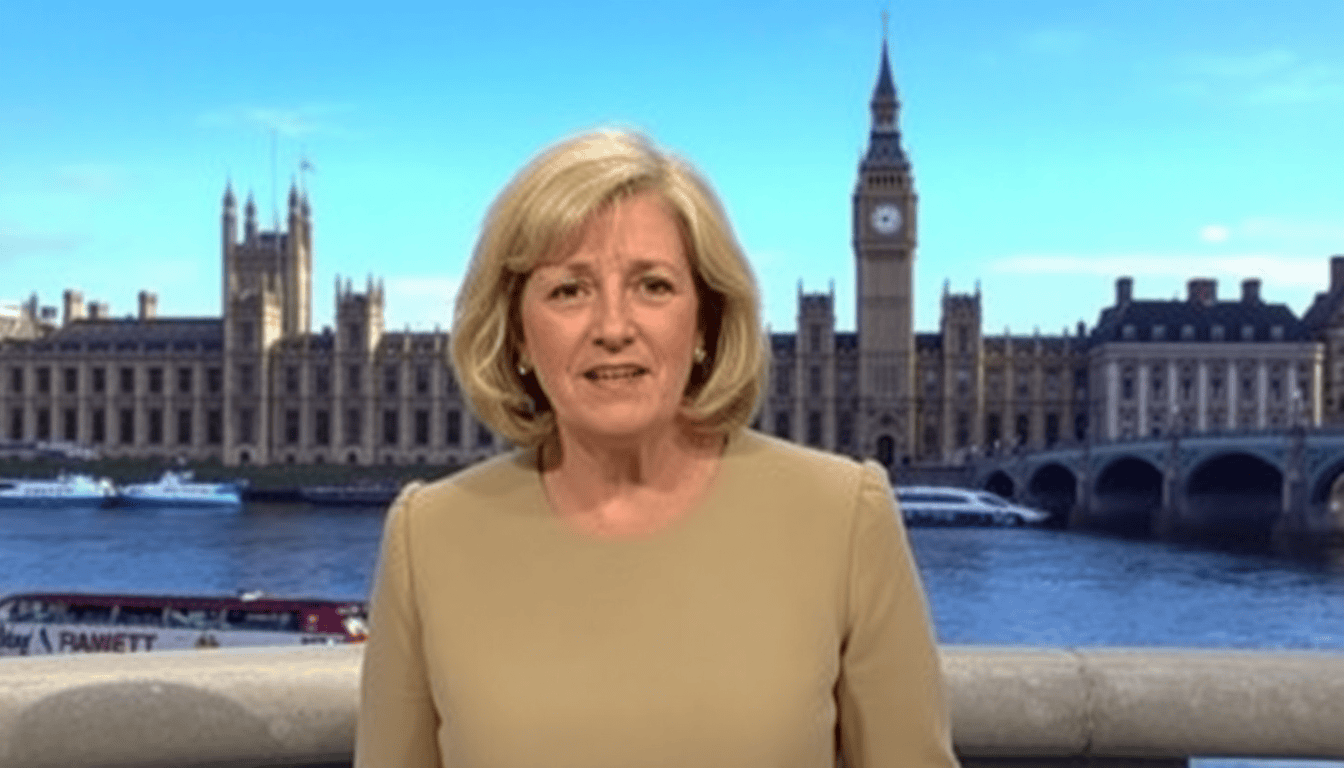
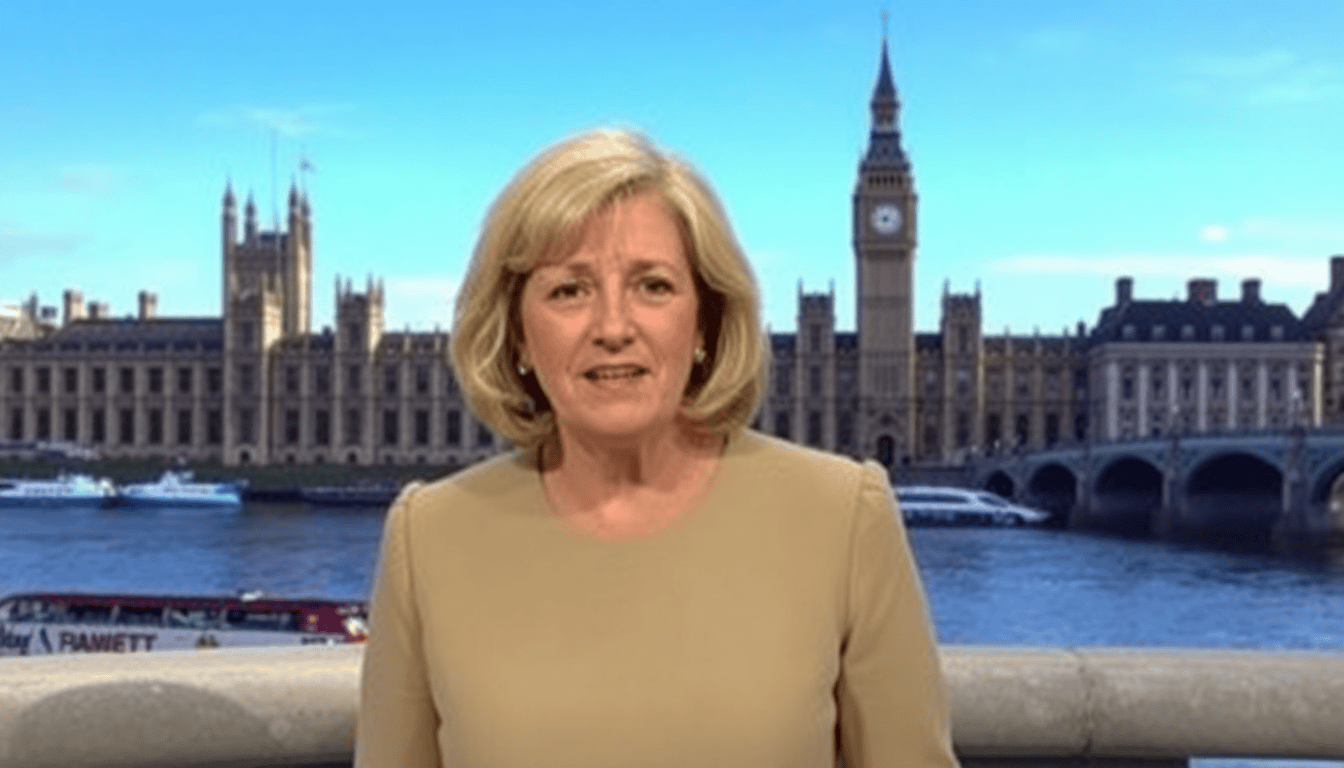
Former U.K. Prime Minister Liz Truss has warned that soaring government debt and currency debasement are contributing to a worldwide bond-market selloff, with the U.K. among the countries under the greatest pressure.
Truss said the sharp rise in global bond yields reflects the scale of government borrowing. She described Britain as one of the clearest examples of the problem and accused the Bank of England of printing money and weakening the currency.
U.K. borrowing costs have risen considerably. The 10-year gilt yield has moved past 5.2%, while the 30-year yield is nearing 6%. When Truss was prime minister in 2022, the 10-year gilt yield stood at 5.12%.
The bond rout has extended beyond the U.K., with yields also increasing in the U.S., Japan, France and Germany. The synchronized move points to investor concerns about elevated debt, inflation and the sustainability of government finances. As bond prices move inversely to yields, higher yields indicate falling bond prices.
Truss said governments should prioritize supply-side policies aimed at generating faster economic growth while keeping spending under control. She also warned that the deterioration may have reached a point where authorities could be forced to introduce emergency spending cuts.
U.S. Treasuries have faced similar selling pressure. The 10-year Treasury yield has climbed above 4.8%, reversing the decline that followed Treasury Secretary Scott Bessent’s announcement last month of a buyback program for longer-dated government debt. The yield had dropped as low as 4.62% after the announcement.
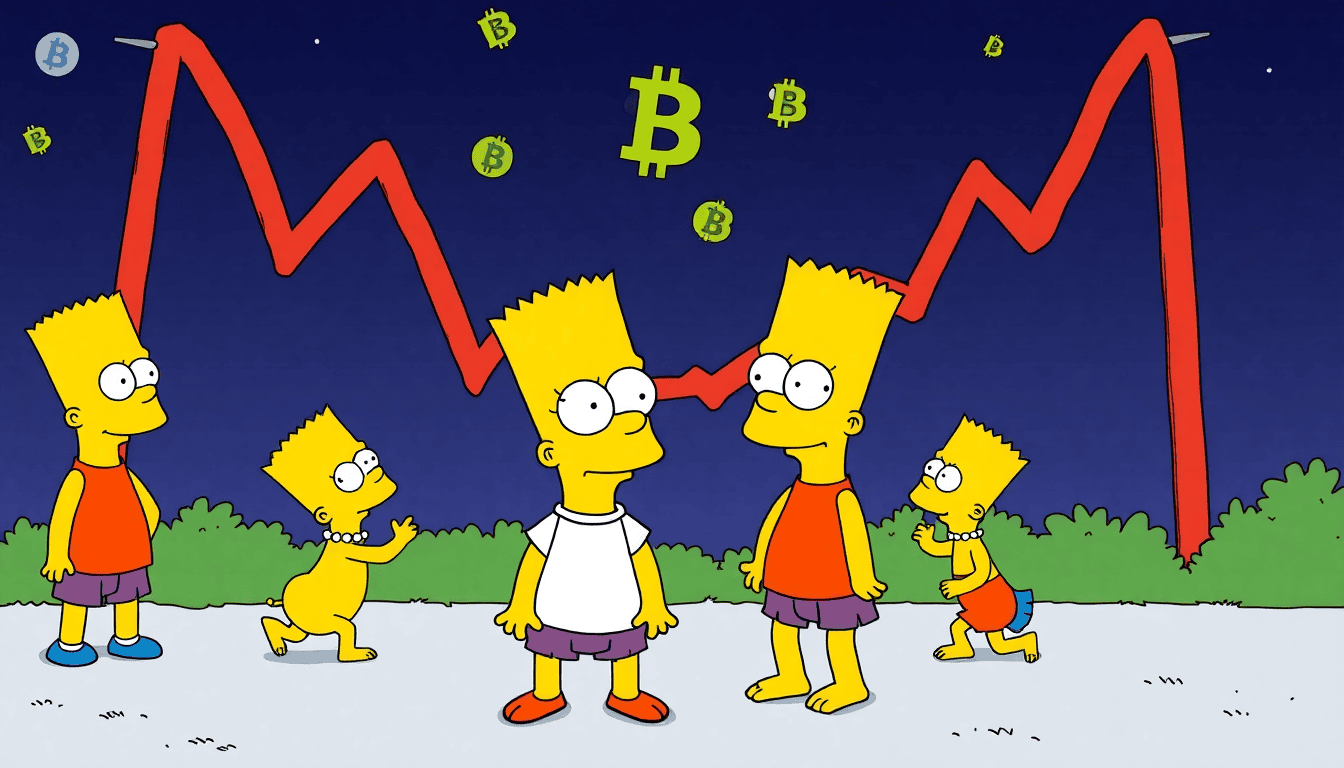
Meanwhile, gold and bitcoin have both pulled back from recent highs. Gold reached about $4,700 an ounce before retreating toward $4,300, close to its level when the buyback announcement was made.
Bitcoin rose from approximately $64,000 to nearly $81,000 before falling back to around $76,500. Despite the correction, BTC remains well above its pre-announcement level.