cpeditor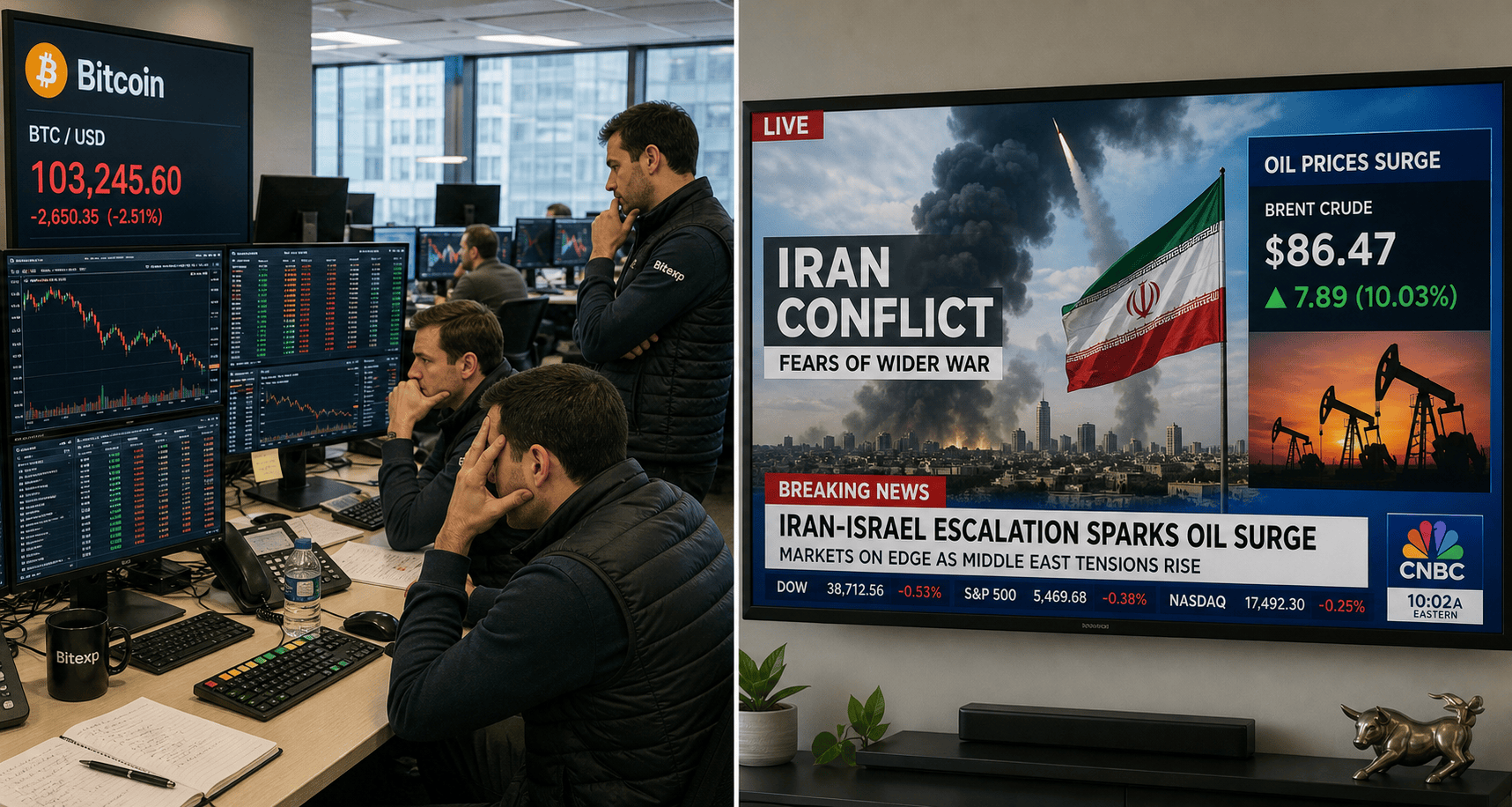
Alphabet’s latest earnings results created a mixed reaction on Wall Street. Although the company posted stronger-than-expected revenue, investors focused on its expanding artificial intelligence budget, sending shares down nearly 6%.
The Google parent raised its 2026 capital expenditure forecast for AI infrastructure to $195 billion–$205 billion, compared with its earlier guidance of $180 billion–$190 billion. Alphabet also warned that AI-related investment could increase further in 2027 as it continues expanding computing capacity to meet demand.
The heavier spending outlook affected other large technology companies tied to the AI ecosystem. Meta and Amazon both declined around 3%, while Apple fell 1.75% and Microsoft slipped 0.5%.
At the same time, companies positioned to benefit from the AI infrastructure buildout saw their shares rise. Former Bitcoin mining companies that have transitioned into AI computing and data center operations gained momentum, with Cipher Mining, Riot Platforms, and Hut 8 climbing about 7%. TeraWulf, Keel Infrastructure, and IREN also moved higher by roughly 3%–4%.
In crypto markets, BitMEX co-founder Arthur Hayes addressed the exchange’s upcoming shutdown, thanking its team, partners, and customers. Hayes said the platform created something meaningful and would close responsibly on its own terms. He helped launch BitMEX in 2014 but has not been involved in its operations for several years.
Broader markets also faced pressure from renewed geopolitical risks. Following reports that Iran-backed Houthi forces attacked Saudi oil vessels, former U.S. President Donald Trump warned that further incidents could result in military action against Iran and the Houthis.
Oil prices jumped about 5%, with crude moving above $90 per barrel. At the same time, Nasdaq 100 futures dropped 1.3%, while Bitcoin slipped toward the day’s lows near $65,100.
The European Central Bank kept interest rates unchanged but maintained a hawkish position, warning that the inflationary effects of the recent energy shock have not fully emerged.
In the U.S., weekly jobless claims fell sharply to 187,000, significantly below the expected 212,000. The unexpectedly strong labor data increased pressure on the bond market and boosted expectations that the Federal Reserve could consider another rate increase.
The 10-year Treasury yield climbed five basis points to 4.71%, marking its highest level of the year. Traders now assign nearly a 40% chance of a Fed rate hike at the upcoming meeting, compared with almost zero probability earlier in the week.
On the regulatory side, Goldman Sachs CEO David Solomon expressed support for the Clarity Act, arguing that clearer digital asset rules would improve market stability and encourage innovation. His comments came as lawmakers prepared updated legislation ahead of a possible Senate vote.
Bitcoin security also gained attention with the creation of the Bitcoin Security Consortium, a new initiative focused on improving the network’s long-term resilience. The organization has received $15 million in combined commitments over three years from major industry participants.
Meanwhile, UK-based Bitcoin treasury firm The Smarter Web Company sold roughly 178 BTC for about $11.7 million to repay convertible debt. The company continues to hold approximately 2,700 BTC, reflecting a broader shift among some corporate Bitcoin holders toward reducing exposure.
Despite market uncertainty, institutional demand for Bitcoin remains strong. U.S.-listed spot Bitcoin ETFs recorded nearly $1 billion in inflows over a seven-session streak, including around $500 million this week.
Bitcoin traded close to $65,400 as investors weighed AI spending trends, energy market volatility, and central bank policy. Major cryptocurrencies remained mostly stable, with Ether near $1,916, XRP around $1.13, and Solana close to $77.
The next major market event is the Federal Reserve meeting on July 28–29, which could provide fresh direction for both digital assets and traditional financial markets.