cpeditor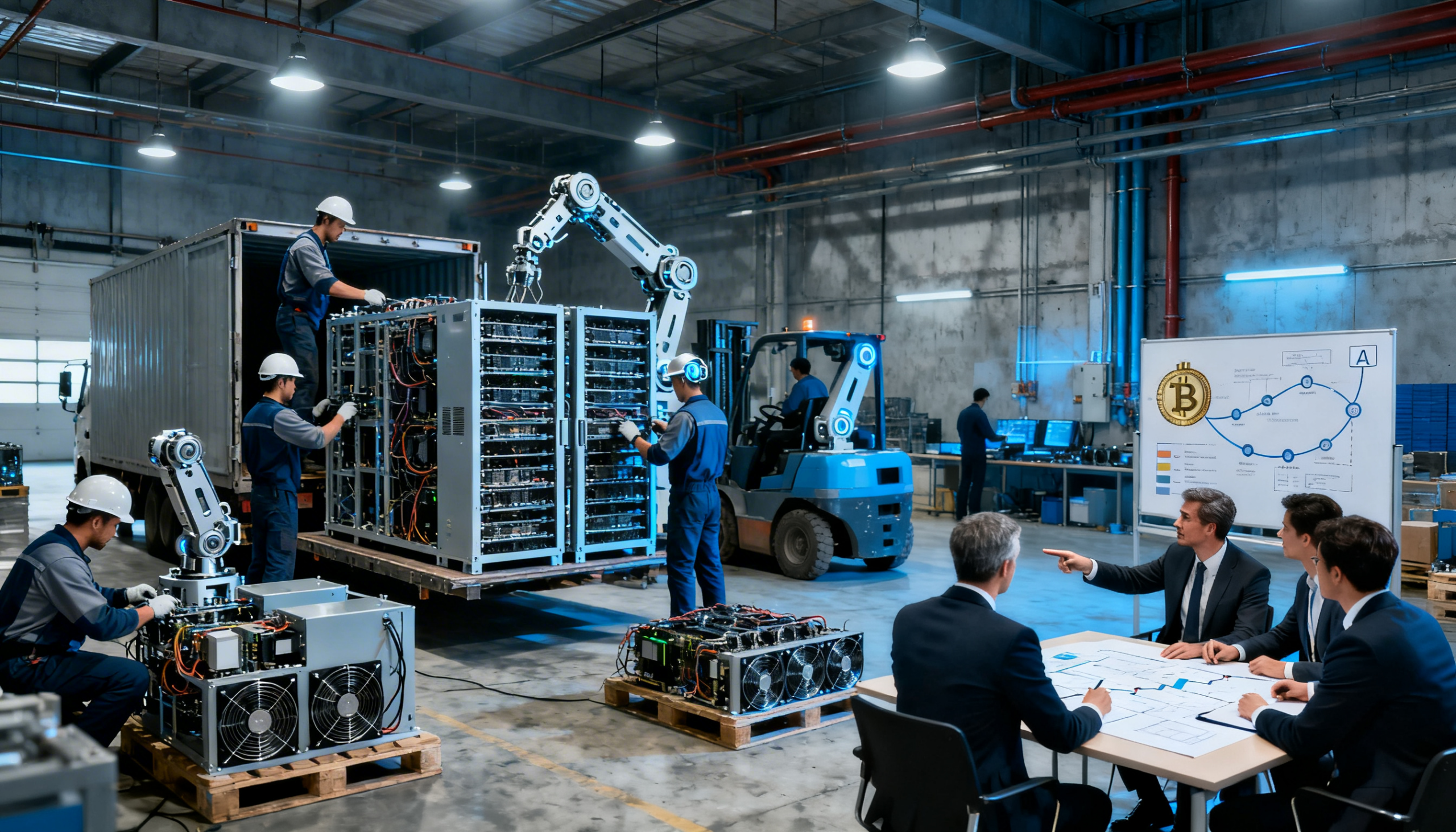
The bitcoin mining industry is undergoing its most fundamental transformation in history, and the clearest signal isn’t hashrate or difficulty—it’s balance sheets.
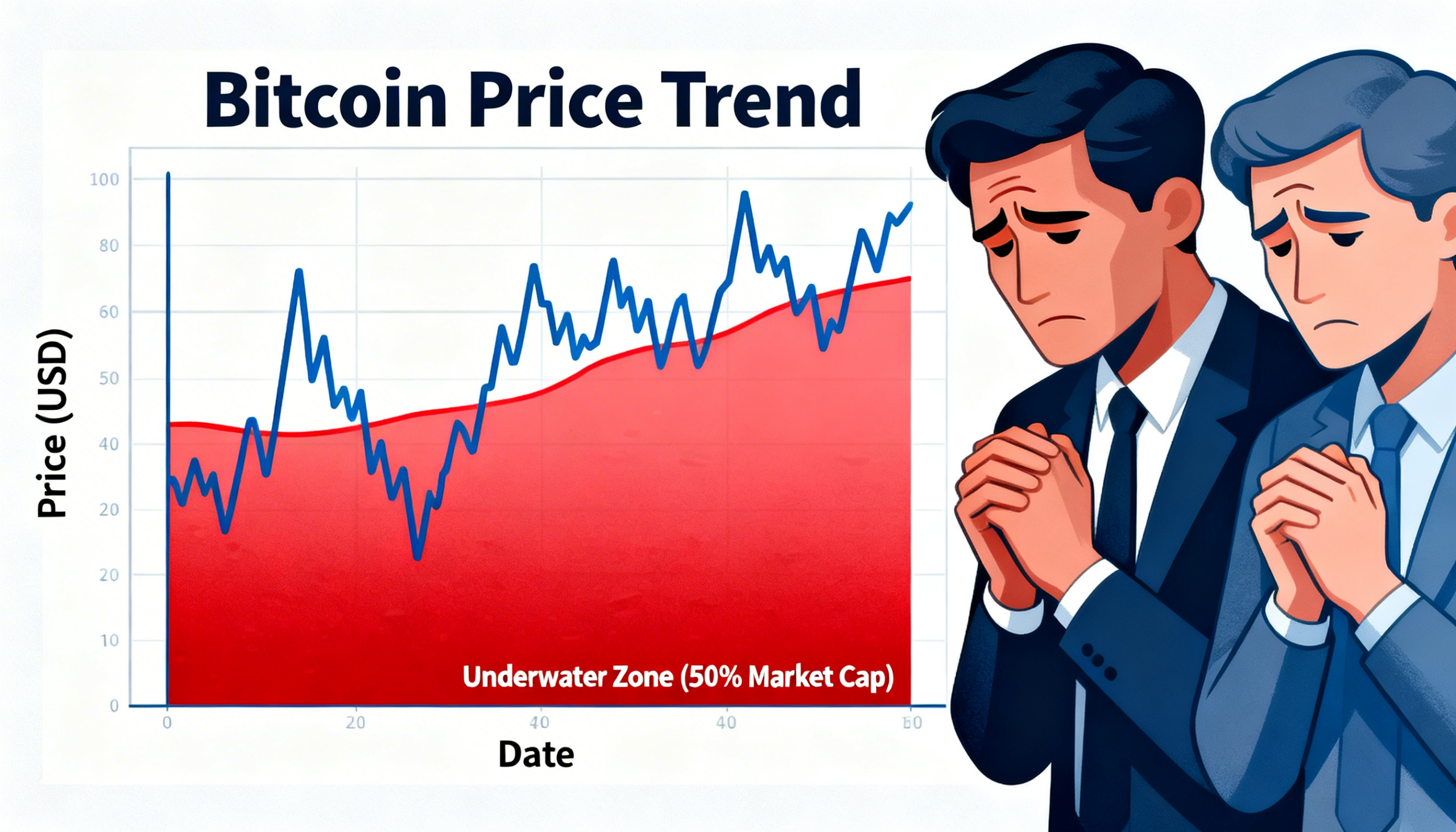
CoinShares’ Q1 2026 report shows the average cash cost to produce one bitcoin among publicly listed miners hit roughly $79,995 in Q4 2025. With bitcoin trading around $68,000–$70,000, miners are losing about $19,000 per coin.
In response, miners are pivoting aggressively toward artificial intelligence (AI) and high-performance computing (HPC). Public miners have announced over $70 billion in AI contracts. CoreWeave’s expanded deal with Core Scientific totals $10.2 billion over 12 years, TeraWulf has $12.8 billion in secured HPC revenue, Hut 8 signed a $7 billion, 15-year AI lease, and Cipher Digital inked a multi-billion-dollar deal with Google-backed Fluidstack.
AI is quickly becoming the core revenue driver. By end-2026, listed miners could generate up to 70% of revenue from AI, up from roughly 30% today. Core Scientific’s AI colocation already accounts for 39% of revenue, TeraWulf 27%, and IREN 9%, with 200 megawatts of GPU capacity under construction. Miners are increasingly data center operators that mine bitcoin on the side.
Economics drive the shift. Mining infrastructure costs $700,000–$1 million per megawatt; AI costs $8–15 million per megawatt but offers higher, more stable returns. Hash price fell to $28–30 per petahash in March, forcing mid-generation miners to operate below $0.05 per kilowatt-hour for cash profitability, while AI contracts promise margins above 85%.
The transition is funded via debt and bitcoin sales. Public miners have sold over 15,000 BTC from treasuries, including Core Scientific (1,900 BTC), Bitdeer (zero BTC), and Riot Platforms (1,818 BTC). Marathon expanded its BTC sales policy amid pressure on its credit facility. Debt levels have also risen sharply to support AI buildouts.
This shift creates tension for the network. Hashrate has dropped from 1,160 EH/s in October 2025 to 920 EH/s, with three consecutive negative difficulty adjustments—the first streak since July 2022.
Markets have priced the pivot: miners with AI contracts trade at 12.3x forward sales versus 5.9x for pure-play miners. Geography is shifting as well, with the U.S., China, and Russia controlling 68% of hashrate, while Paraguay and Ethiopia emerge as new hubs.
Next-generation hardware could reduce costs, but capital is going to AI. The industry is exiting this cycle as AI data center operators that sell bitcoin to fund growth. Whether this is temporary or permanent hinges on bitcoin’s price: $100,000 could slow the AI pivot, while $70,000 or below accelerates it, reshaping the sector entirely.