cpeditor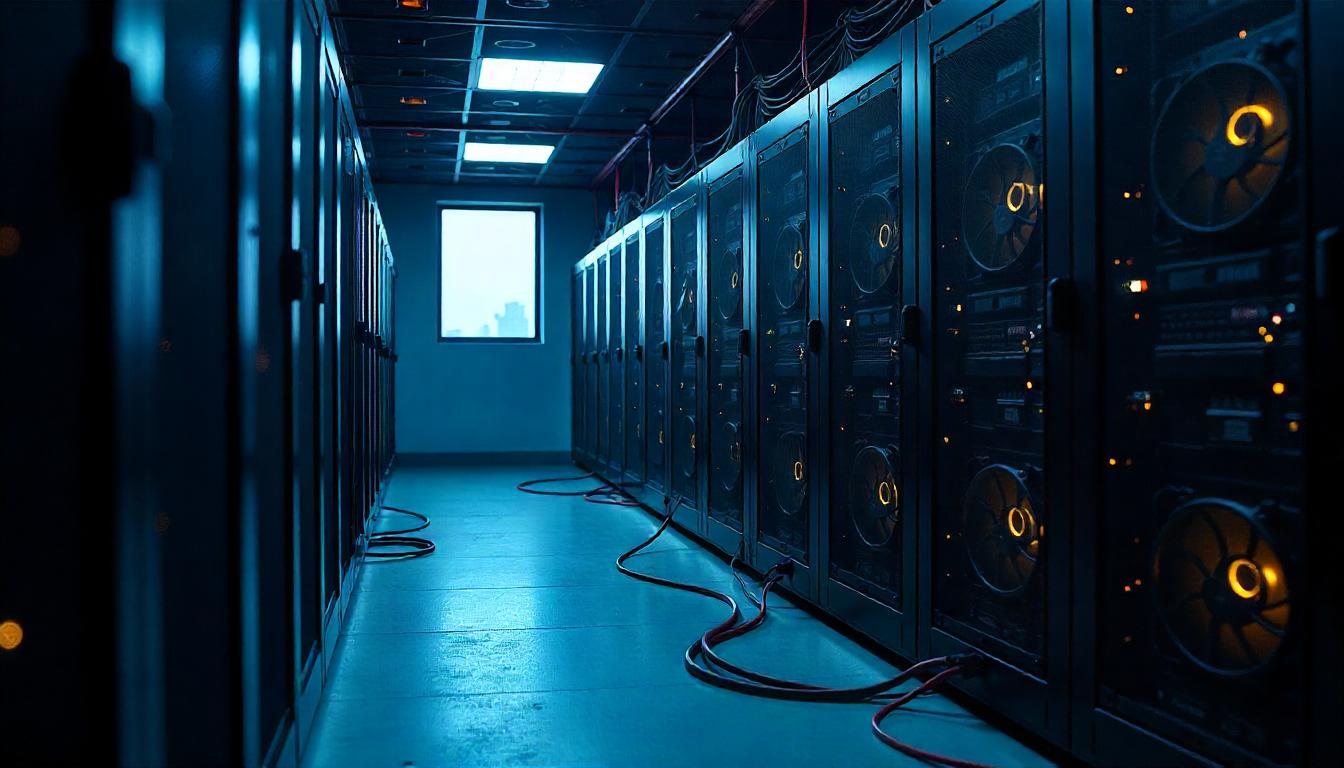
Bitcoin Miners Brace for Weak Q1 Earnings as Profit Margins Squeezed by Tariffs, Falling Hashprice
First-quarter earnings from publicly traded bitcoin mining firms may fall short of expectations, with analysts at CoinShares pointing to a perfect storm of declining hashprice and aggressive import tariffs as key culprits.
The report, led by James Butterfill, said miners face increasing financial stress due to surging costs on mining equipment imports — with tariffs reaching 54% for Chinese hardware and 24% for Malaysian gear. This comes on top of a significant drop in hashprice, the primary indicator of mining profitability.
CoinShares expects hashprice to hover between $35 and $50 per petahash/day for the foreseeable future, particularly as the network’s total hashrate pushes toward 1 zettahash/second by July and potentially 2 ZH/s by 2027.
Companies with diversified operations, such as Core Scientific, which is leaning into high-performance computing, may be better insulated from these pressures. Bitdeer, which produces its own mining machines, may still feel the squeeze on international sales due to the new trade barriers.
The broader implications, CoinShares suggests, may extend beyond mining. Grayscale has recently argued that such geopolitical frictions could reinforce Bitcoin’s appeal as a decentralized hedge against traditional financial and trade systems.