cpeditor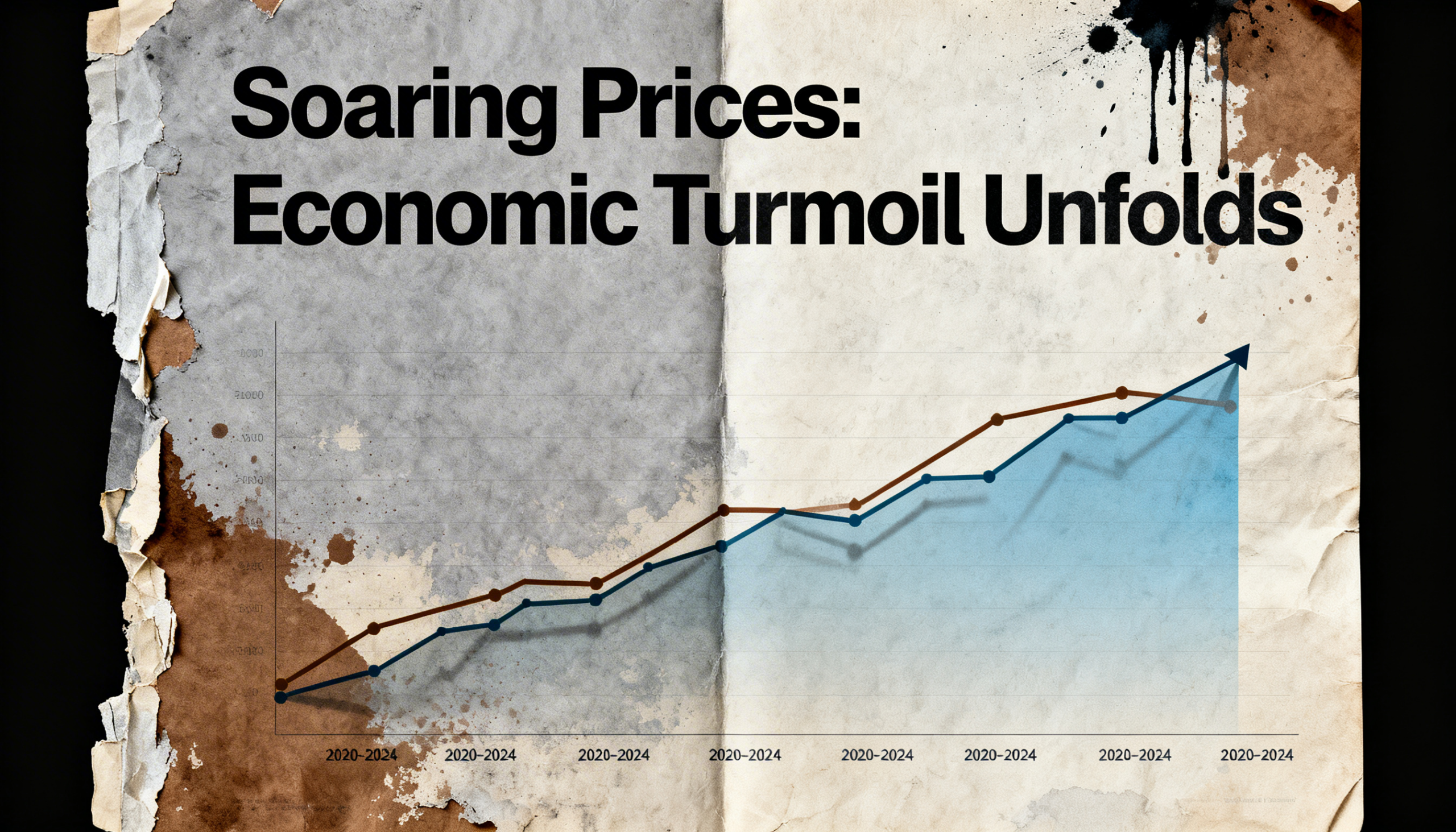
Iran War Could Cement Inflation Floor and End Era of Cheap Money
The Iran war is creating a lasting inflation floor that may mark the end of the era of cheap money while exposing the vulnerabilities of global energy markets.
Initially, markets assumed that oil price spikes, inflation, and volatility would be temporary, expecting central banks to resume ultra-easy monetary policies once the conflict subsided, as they have repeatedly since 2008.
However, analysts warn that the war’s impact could be structural, keeping global inflation elevated and affecting returns across stocks, crypto, and bonds. The key factor is the fragility of energy markets.
Global economies have long relied on energy supply chains, price-driven markets, and comparative advantage. Disruptions in the Strait of Hormuz have already caused shortages in India, Japan, and South Korea, and could eventually pressure China and even the U.S. The likely response: nations will prioritize energy security and self-sufficiency.
Energy expert Anas Alhajji predicts a shift toward de-globalized energy markets, with states emphasizing control over cost, strategic stockpiling, and vertical integration. “Energy is no longer just a commodity—it has become a geopolitical and strategic asset,” he warns, noting potential higher costs, slower innovation, and fragmented markets.
The conflict’s ripple effects already extend to fertilizers, food production, industrial output, and semiconductor manufacturing, with critical materials like helium and sulfur in short supply. The UN has also highlighted rising global food prices.
Implications for Investors
Historically, low inflation allowed central banks to cut rates and inject liquidity, driving record gains across equities, bonds, and crypto. A structurally higher inflation floor may reduce central banks’ flexibility, limit liquidity, and cap returns.
Investors should prepare for sticky inflation, tighter monetary policy, and higher market volatility.