cpeditor
Crypto and Stocks Wobble as Interest Rate Jitters Eclipse Trade Policy Reversal
Markets initially cheered a softer stance on tariffs from President Trump, but enthusiasm faded fast as investors turned their attention to rising global interest rates and mounting stagflation risks.
Midway through Thursday’s U.S. trading session, stocks and crypto posted brief gains after Commerce Secretary Howard Lutnick confirmed that Mexico would be exempt from the newly proposed 25% tariff—provided existing trade agreements covered the affected goods and services. Trump later reinforced the decision on social media, sparking a short-lived rally that lifted bitcoin (BTC) past $91,000.
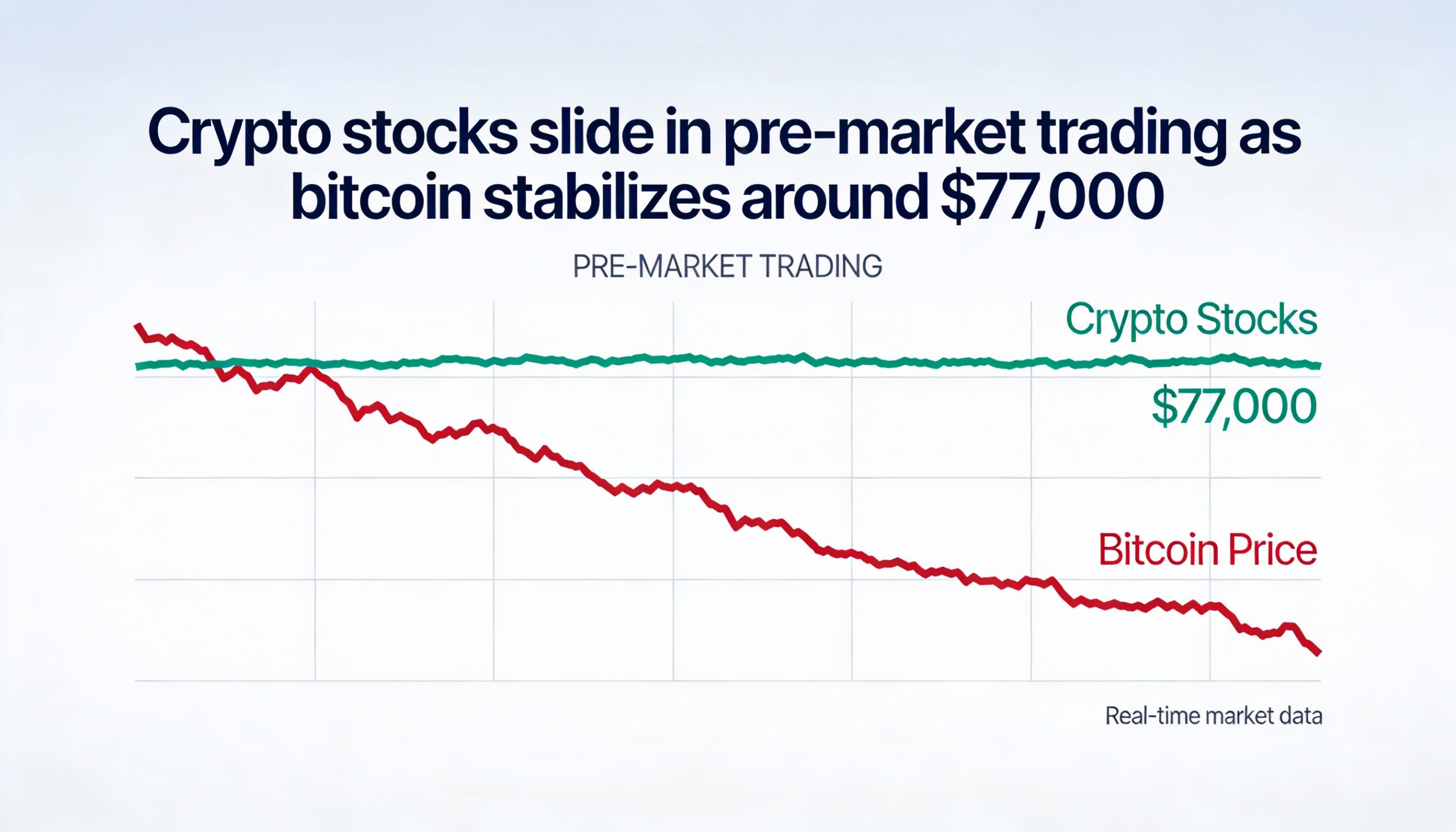
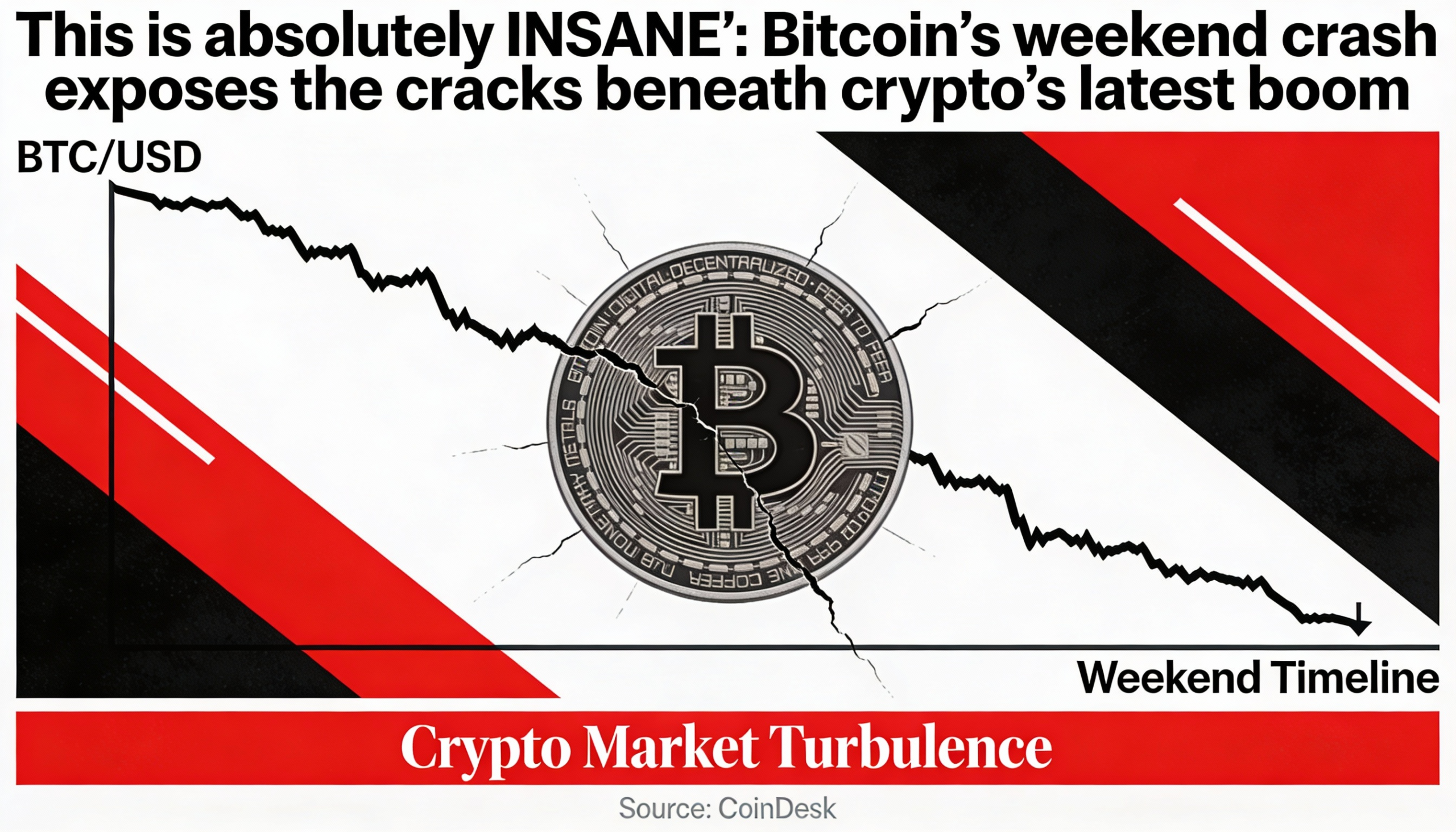
However, optimism proved fleeting. By early afternoon, the Nasdaq had sunk 2.3% to session lows, and bitcoin reversed course, sliding to $88,500, down nearly 1% in the past 24 hours.
Bond Market Sell-Off Signals Bigger Trouble
While the back-and-forth on tariffs has grabbed headlines, the more pressing concern for investors is the rapid rise in global bond yields.
As European nations increase defense spending in response to shifting U.S. foreign policy, bond markets are reeling. Germany’s 10-year Bund yield has skyrocketed 40 basis points this week to 2.83%, one of its sharpest moves in years. In Japan, long-dormant yields are waking up, with the 10-year Japanese Government Bond (JGB) now at 1.51%—more than double its level just six months ago.
The U.S. is not immune. After months of declining, the 10-year Treasury yield has surged more than 20 basis points in the past 48 hours, hitting 4.30% as investors brace for tighter financial conditions.
“The global bond market is flashing warning signs,” said Quinn Thompson, head of Lekker Capital. “Yields are rising even as economic growth slows—a classic stagflation signal that doesn’t bode well for risk assets like crypto.”
All Eyes on Friday’s Jobs Report
With interest rates spiking, the February U.S. Nonfarm Payrolls report, set for release on Friday, takes on added significance.
Economists are forecasting 160,000 new jobs added, up from 143,000 in January, with the unemployment rate holding steady at 4%. However, if the report surprises to the upside—as recent jobs data have tended to do—yields could push even higher, potentially triggering another wave of selling in equities and crypto.
For traders, the next 48 hours could be critical. If rate fears persist, bitcoin and other risk assets may struggle to regain footing, regardless of any tariff-related policy shifts.