cpeditor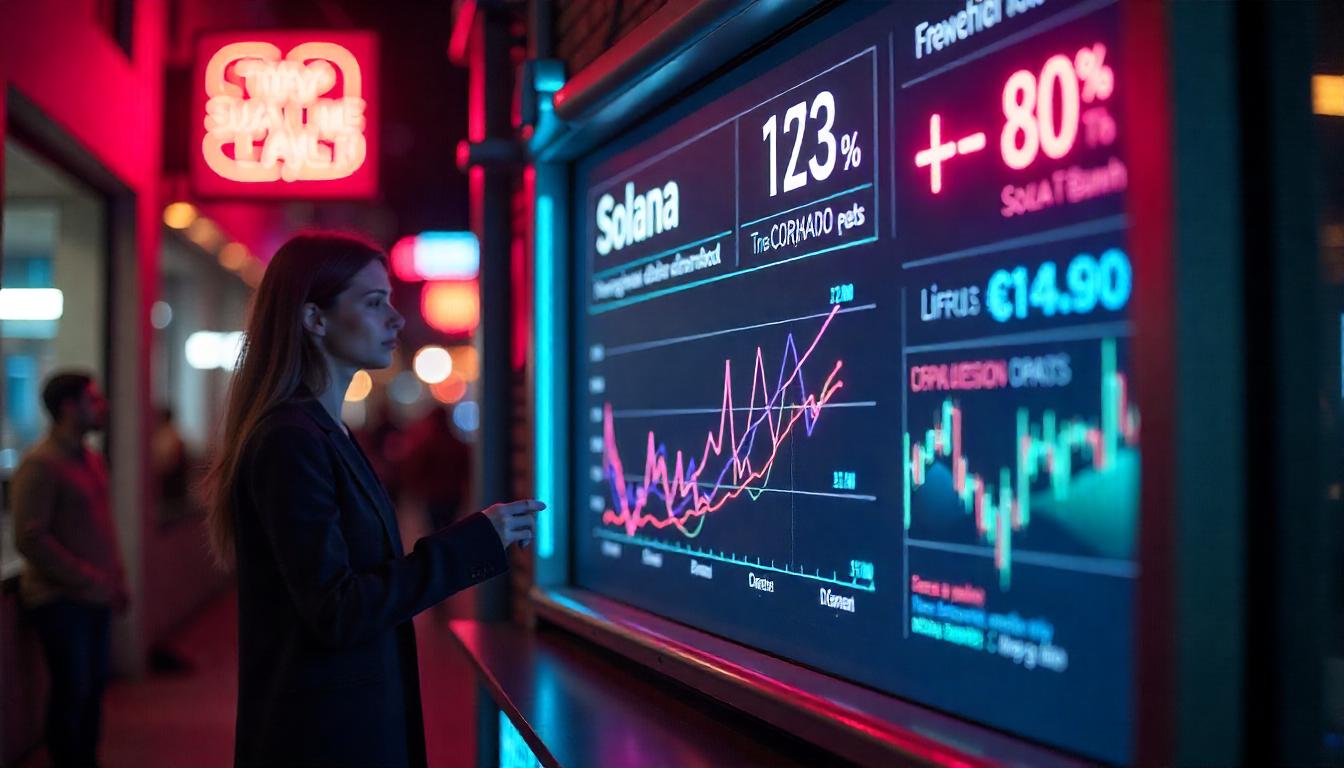
Solana’s Inflation Reduction Proposal Faces Uncertain Future as Validators Remain Divided
A new Solana governance proposal, SIMD-0228, seeks to drastically cut SOL’s inflation rate by 80%, but the vote so far suggests it may not pass due to limited validator support. The proposal aims to introduce a market-based token emission model, aligning Solana’s security costs with real network activity.
According to Dune Analytics, 746 out of 1,334 active validators (around 58%) have participated in the vote so far. Of those, 37.8% support the proposal, 18.5% oppose it, and 1.2% have abstained. With voting set to close at Epoch 755 in roughly 11 hours, the proposal is currently on track for rejection.
Why Validators Are Hesitant
If approved, the proposal would reduce SOL’s inflation rate from 4.5% to approximately 0.87%, drastically lowering the number of new tokens entering circulation. While this could be bullish for SOL’s price, some validators worry about its long-term implications.
“Solana’s network activity has increased dramatically since 2023, moving from sub-$100 million daily on-chain volume to billions today. Given this, a lower inflation rate is a logical step,” said Logan Jastremski, co-founder of Frictionless Capital, on X.
However, opponents argue that slashing staking rewards could weaken network security by driving smaller validators out, leading to centralization concerns.
Potential Market Impact
Crypto research firm Tagus Capital believes that if SIMD-0228 is approved, SOL’s price could benefit from reduced inflation and lower staking rewards, making the asset more scarce.
“Less issuance could make SOL more attractive, but at the same time, reduced staking incentives might push smaller validators out, concentrating network power among fewer players,” the firm said in a Thursday newsletter.
With the final outcome still uncertain, the vote on SIMD-0228 will be closely watched by investors and market participants looking to gauge Solana’s future monetary policy.