cpeditor
SpaceX is seeking approval for a $24 billion AI supercomputing development in Texas that would include a dedicated natural gas power station. The proposed investment is roughly 17 times the value of the company’s Bitcoin reserves, underscoring the scale of its ambitions in the artificial intelligence sector.
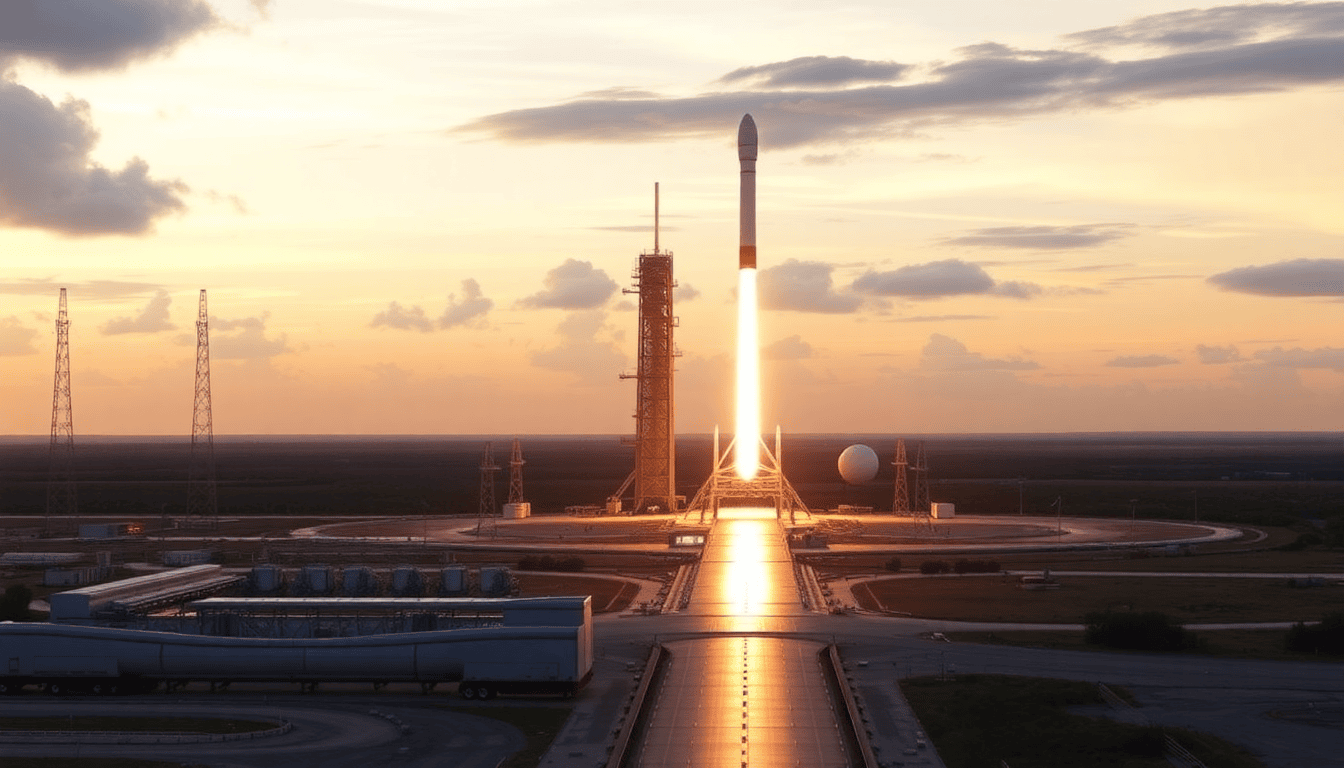
The company, led by Elon Musk, plans to establish the computing complex at Starbase, Texas, where it operates its primary rocket manufacturing and launch facilities. SpaceX, which also holds a substantial Bitcoin portfolio, went public in June through what was described as the largest IPO in history.
According to a notice issued by the City of Starbase, the proposed development would combine a large-scale data center, described as a “super-compute facility,” with an independently operated natural gas power plant.
The $24 billion proposal is particularly significant compared with SpaceX’s cryptocurrency investments. The company reportedly held 18,712 BTC worth approximately $1.39 billion, based on figures from Bitcointreasuries.net. This places the planned infrastructure investment at nearly 17 times the value of its Bitcoin holdings.
The proposed energy facility would reportedly contain 35 gas turbines with a combined generation capacity of 748 megawatts. Rather than relying entirely on electricity from the public grid, SpaceX intends to generate power directly for its computing operations.
The city notice confirms that the company plans to build, own and operate both facilities.
This approach reflects an emerging strategy among major technology companies as demand for electricity-intensive AI infrastructure continues to increase. Anthropic recently reached a $3.4 billion agreement involving 1.7 gigawatts of gas-fired generation equipment, highlighting the growing importance of dedicated energy supplies.
However, SpaceX’s municipal filing does not explain why the company prefers an independent power source over conventional utility connections.
The development has also drawn attention to the growing relationship between artificial intelligence and the natural gas industry.
The Global Commodity Trader Index, which monitors institutional commodity trading firms, highlighted this shift in a post on X, arguing that AI companies are increasingly securing their own electricity generation rather than waiting for utility providers to expand capacity.
This transition could create additional long-term business opportunities for natural gas producers, pipeline operators and manufacturers of power-generation equipment.
Elon Musk Pushes SpaceX Further Into AI Computing
SpaceX’s proposed supercomputer project follows its broader expansion into artificial intelligence.
In February, Musk combined xAI with SpaceX through a stock-swap transaction that valued the merged company at approximately $1.25 trillion.
The proposed Texas facility would extend this strategy by bringing large-scale computing infrastructure and dedicated electricity production under the same corporate operation.
SpaceX’s Tax Incentive Request Faces Uncertainty
Alongside the development plans, SpaceX has requested property tax relief from the City of Starbase. The company is seeking access to the Cameron County Enterprise Zone program, which would reduce its property tax expenses associated with the project.
The Starbase city commission is scheduled to review the request during a public hearing on December 9.
Nevertheless, SpaceX could face additional challenges as Texas reassesses its approach to approving large AI data centers.
Democrat Gina Hinojosa defeated Republican incumbent Greg Abbott in the November 3 gubernatorial election. During her campaign, she criticized the rapid expansion of AI data centers and raised concerns about their growing electricity requirements.
Earlier, on August 3, Abbott had ordered a temporary halt to new data center projects moving through the state’s grid connection process while regulators completed an audit.
The assessment covers on-site electricity generation and examines the potential effects of data centers on local water supplies and surrounding communities, regardless of their energy sources.
Consequently, SpaceX’s proposal to operate its own natural gas power plant could become a significant factor in the regulatory review. Whether this arrangement will provide a way around existing grid-related restrictions remains uncertain.