cpeditor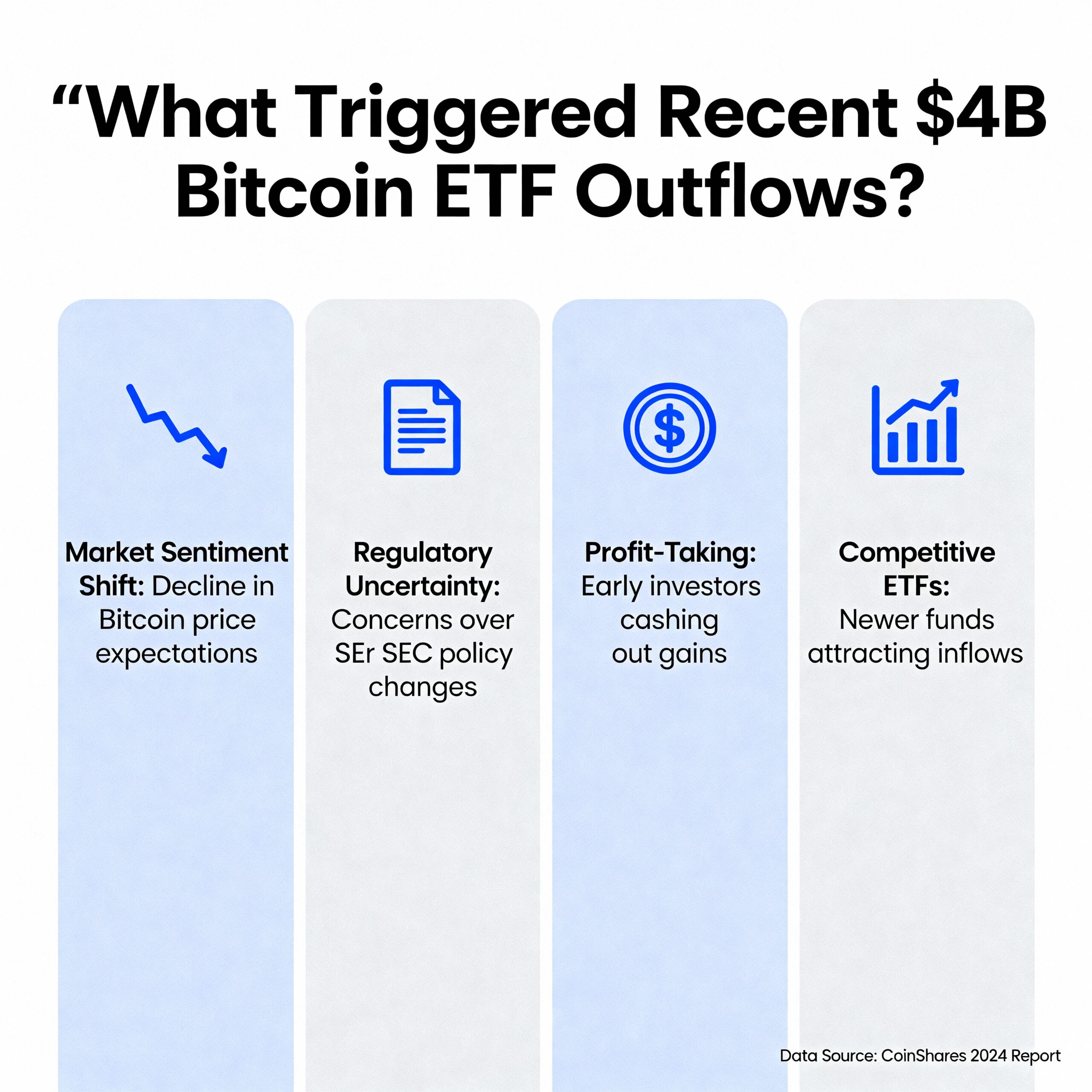
$4B Bitcoin ETF Outflows Driven by Arbitrage Unwinds, Not Institutional Panic
Recent outflows from U.S.-listed spot bitcoin ETFs were largely driven by specific arbitrage trade closures rather than broad institutional capitulation.
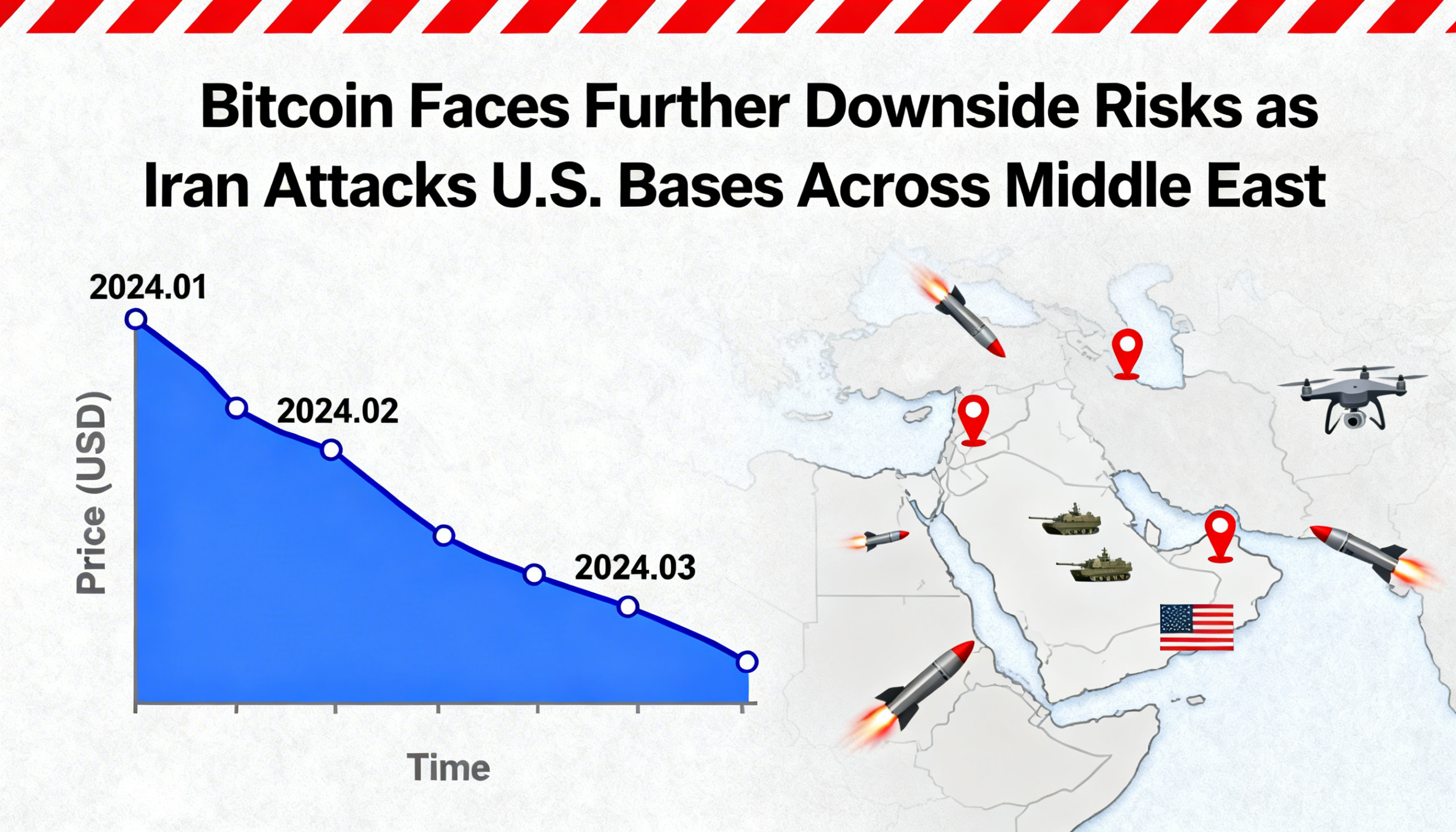
The ETFs saw billions in redemptions in recent weeks amid a 35% BTC price drop from $125,000 to the low $80,000s, fueling speculation that institutions were exiting the market. However, data from Amberdata tells a different story: the bulk of outflows came from “basis trade” unwinds—mechanical arbitrage strategies—while overall ETF holdings remained strong at 1.43 million BTC.
“Nearly $4 billion in Bitcoin ETF outflows have occurred since mid-October, coinciding with a 35% drawdown that erased six months of gains. Many interpreted this as institutional capitulation,” said Michael Marshall, head of research at Amberdata. “In reality, the selling was concentrated among a few issuers and tied to mechanical basis trade unwinds, not broad investor fear.”
No Widespread Capitulation
In financial markets, capitulation typically involves panic selling, high volume, and widespread fear. For ETFs, true capitulation would mean broad-based redemptions across issuers—something that did not occur over the past two months.
Marshall noted that BlackRock accounted for 97%-99% of recent weekly outflows despite managing only 48%-51% of assets, while Fidelity’s FBTC ETF saw inflows and smaller ETFs remained stable. Over the 53-day period from October 1 to November 26, Grayscale accounted for $923 million in outflows (53.2% of total), followed by 21Shares and Grayscale Mini. Collectively, these three ETFs made up 89.1% of outflows.
The data highlight that ETF fund flows were highly variable, with a standard deviation of $372 million compared with an average daily flow of $27 million, reinforcing that this was a targeted phenomenon rather than a market-wide panic.
Arbitrage Trades Drove the Outflows
The outflows were primarily triggered by collapsing basis spreads in the spot-futures arbitrage trade. In these trades, funds purchase ETF shares and short futures to capture contango yield—positioning that is direction-neutral on BTC’s price. Basis spreads fell 217 basis points from 6.63% to 4.46%, with 93% of recent days below the 5% breakeven threshold, according to Marshall.
This squeeze forced carry traders to unwind their positions—selling ETF shares while buying back futures. BTC perpetual futures open interest fell 37.7% ($4.23 billion peak-to-trough), closely mirroring ETF outflows and confirming that the activity reflected mechanical basis trade unwinds rather than market panic.