cpeditor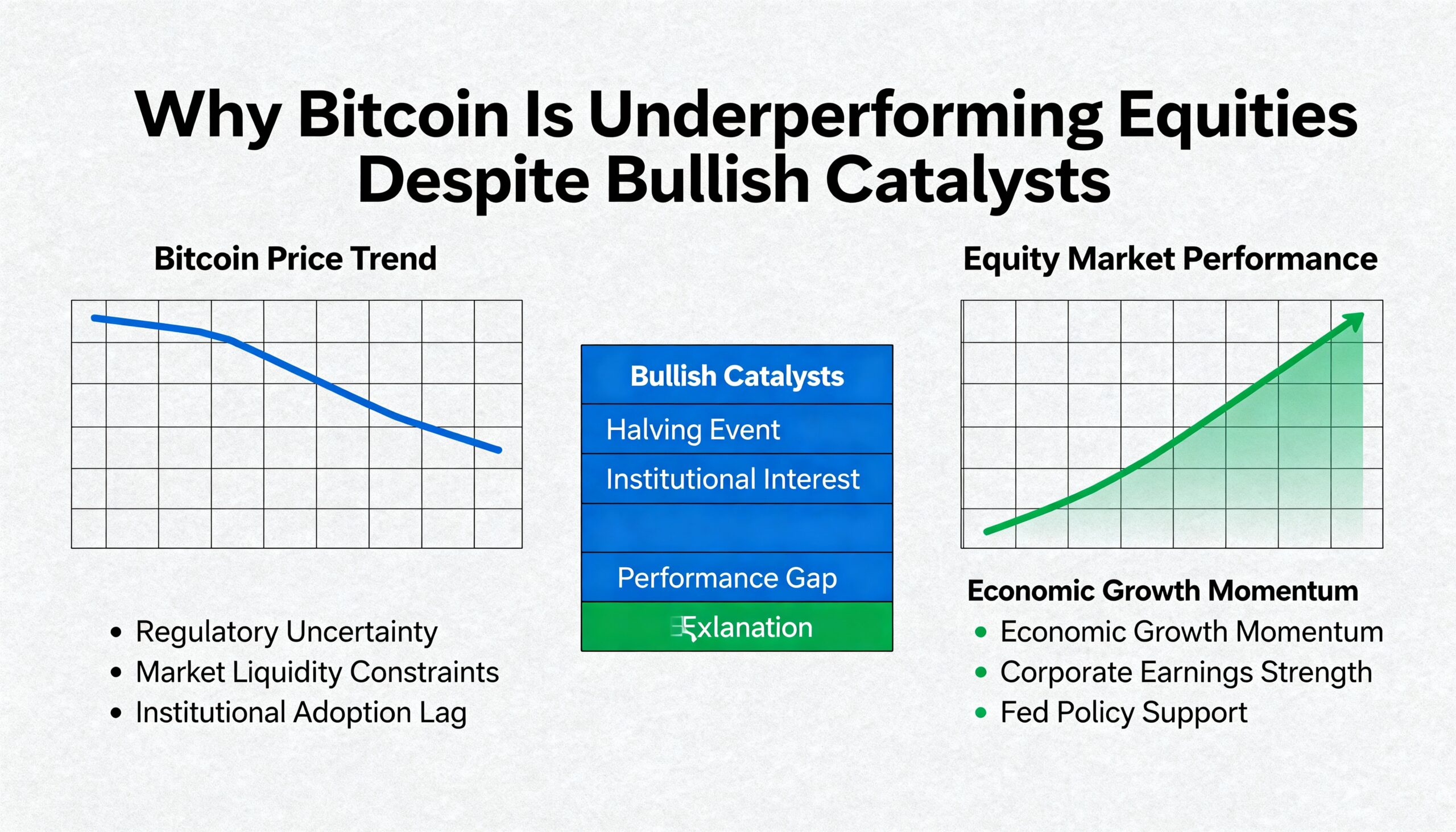
Bitcoin Lags Equities Despite Bullish Drivers, Analysts Say
Bitcoin BTC has struggled to maintain momentum, both in absolute terms and relative to U.S. equities. According to Adrian Fritz, chief investment strategist at crypto investment firm 21Shares, the divergence reflects macro pressures, investor sentiment, and what he describes as a “panda market”—a scenario that is bearish but not a full-blown crypto winter.
“Technically, we’ve entered a bear market,” Fritz told CoinDesk. Bitcoin has dropped more than 30% from its highs, breaching the 50-week moving average, a level often signaling broader shifts in market momentum. Altcoins have been hit even harder, with many falling 50% or more.
Over the past month, Bitcoin has slid 22%, sharply underperforming traditional markets. In comparison, the S&P 500 has declined just 2.5%, while the Nasdaq—an index historically correlated with Bitcoin—has fallen 4%. Fritz attributes part of this gap to the outsized influence of artificial intelligence. “If you exclude the Magnificent Seven, the S&P isn’t up by much,” he said. “But AI is clearly driving sentiment—it’s the shiny new toy on Wall Street.”
This AI-driven momentum may also be diverting capital away from crypto. While convergence between blockchain and AI has been anticipated—such as using blockchain for content authenticity—the real investment overlap remains limited. “People feel the impact of AI every day. Blockchain still hasn’t delivered that moment,” Fritz noted.
Leverage has further weighed on crypto. The market correction began in early October with $20 billion in liquidations, and daily liquidations of $500 million have become common. Fritz says the combination of a washout and the absence of major fraud or hacks points to excessive risk-taking as the main driver of losses.
The pullback has prompted even long-term holders—“wealthy Bitcoin investors,” as Fritz puts it—to take profits. “If you bought in 2011 and you’re up billions, selling a few hundred million now isn’t going to change your life,” he said.
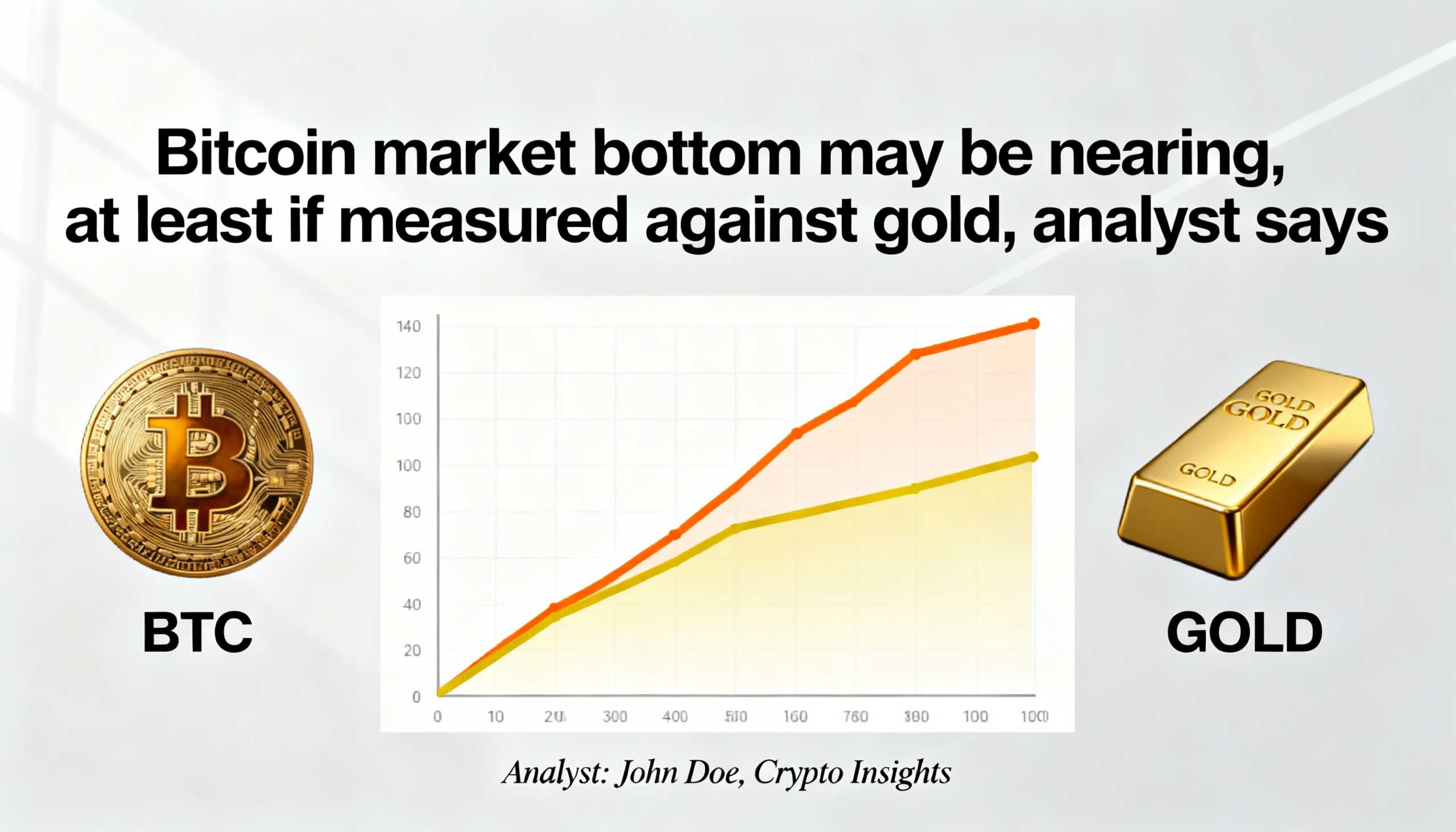
Meanwhile, gold continues to serve as a safe haven, rising to new highs earlier this year before falling roughly 10% from peak levels. “Bitcoin still trades like a risk-on asset,” Fritz said. “It has gold-like properties—fixed supply, predictable issuance—but its liquidity and 24/7 trading mean it reacts quickly to sentiment.”
Technical indicators suggest mixed signals. A bounce is possible, but failure to reclaim resistance at $102,000 could pave the way for further downside, with the 200-week moving average around $55,000 serving as a potential worst-case support.
Looking ahead, Fritz remains cautiously optimistic. He expects continued volatility through year-end but sees catalysts such as regulatory clarity and falling interest rates supporting a Bitcoin rebound in 2026. “I’m not worried about Bitcoin,” he said. “The broader altcoin market, however, needs to mature. Investors want more than hype—they want real revenue or staking yields. Fundamentals are back.”
As for AI tokens and blockchain-AI hybrids, Fritz believes they may eventually attract interest, but the narrative has yet to gain meaningful traction. Until then, crypto may continue to lag a stock market riding a very different wave.