cpeditor
Despite the hype surrounding ETFs, central banks and large asset allocators continue to favor gold over bitcoin for reserves and trade.
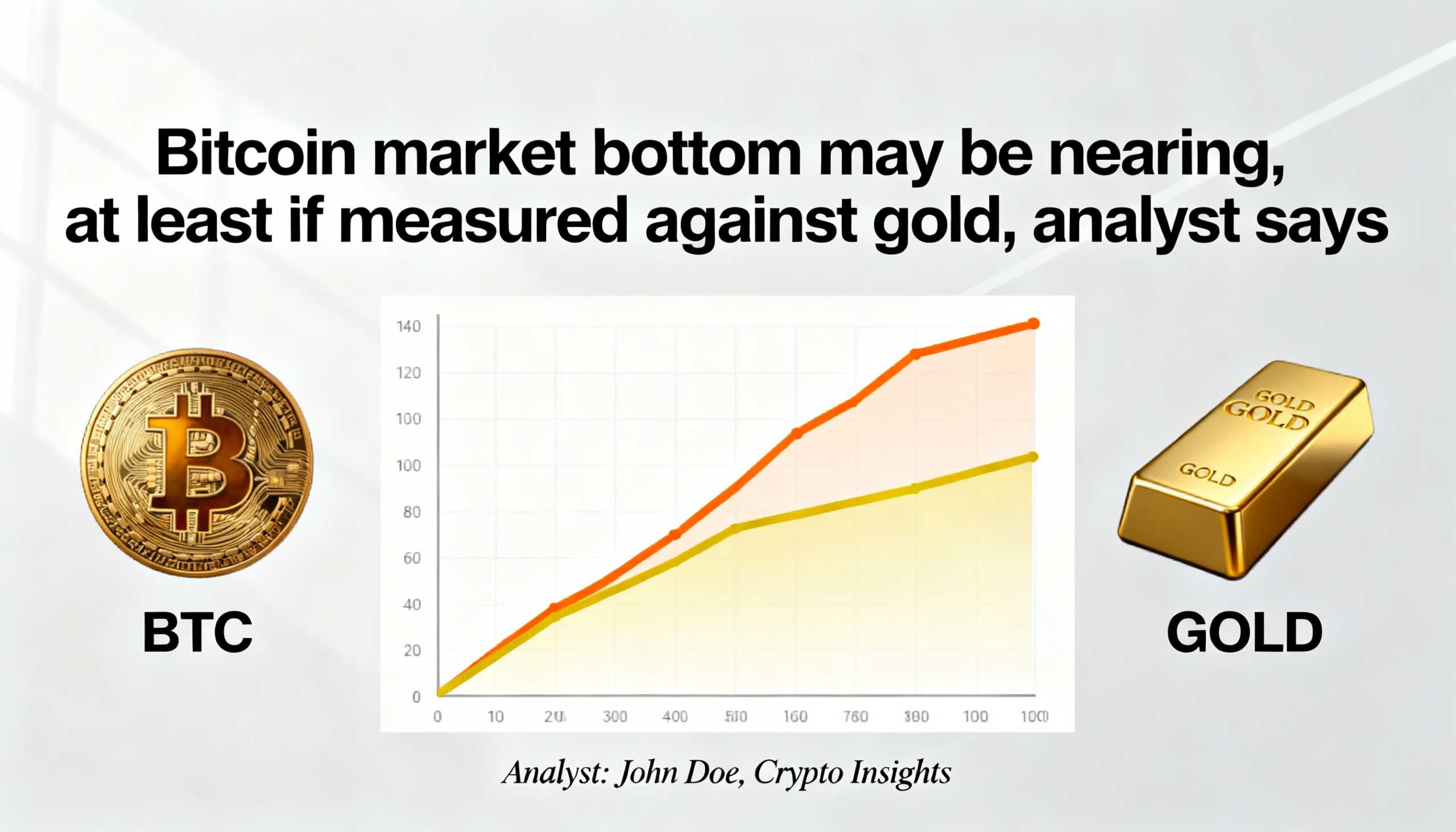
Gold is outperforming bitcoin not only in price but in investor confidence. Following the launch of spot bitcoin ETFs in early 2024, many expected a strong, sustained rally in the digital asset. Yet nearly two years later, gold has quietly taken the lead, raising questions about bitcoin’s readiness to rival traditional safe-haven assets.
Since the ETFs debuted in January 2024, bitcoin is down roughly 12%, while gold has gained 58%. Mark Connors, founder and chief macro strategist at Risk Dimensions and former global head of risk advisory at Credit Suisse, sees the reason as clear: bitcoin is still too young. “The buyers that matter — central banks, sovereign wealth funds, large asset allocators — they still prefer gold,” he told CoinDesk.
The gap isn’t solely about volatility or regulatory uncertainty. Connors points to infrastructure and historical precedent. Gold has centuries of trust, established financial channels, and ready-made accounts at central banks. Bitcoin, by contrast, remains largely outside the existing financial system. “Some of these institutions haven’t exactly called Unchained and said, ‘Can I get a wallet?’” he said. “They just aren’t there yet.”
This preference is evident as BRICS nations, including China, India, and Russia, accelerate gold accumulation, sometimes using it to settle oil trades — a role bitcoin has yet to assume. “There’s a trade component to gold that brings real demand,” Connors said. “Bitcoin doesn’t have that yet.”
The performance gap has widened recently. Bitcoin is down more than 30% from its July peak, while gold continues steady gains above $4,100 per ounce. Connors attributes part of this to a broader liquidity squeeze driven by U.S. fiscal policy. When Treasury spending slows, liquidity dries up, hitting leveraged assets like bitcoin more sharply. During the U.S. government shutdown earlier this year, the Treasury’s balance sheet rose from $600 billion to nearly $1 trillion, constraining capital flows globally.
Although liquidity may return, and bitcoin’s appeal could grow as trust in fiat currencies weakens, Connors cautions against assuming it will soon replace gold. Institutional capital allocation is driven by mandates — and for now, gold fits those mandates, while bitcoin does not.
“If anything, the recent divergence shows that crypto’s path to becoming a global reserve asset may be slower than many expected,” he said. “Gold’s been around forever. Bitcoin is still growing up.”