cpeditor
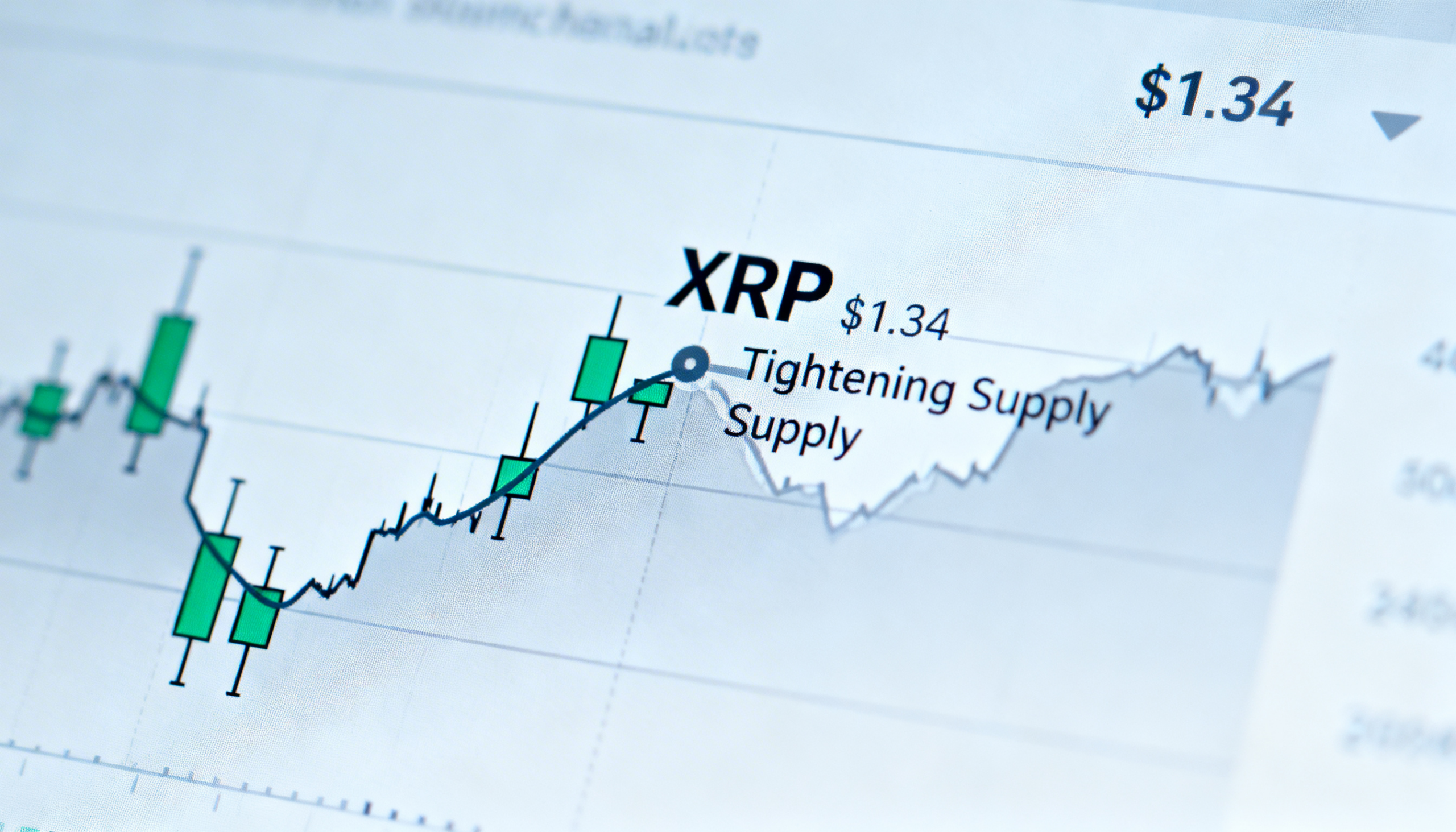
On Friday, the XRP Ledger unveiled a key update with the activation of the “clawback” amendment, which was approved by over 90% of validators. This feature enables the issuer of a token to reclaim or “claw back” tokens from user wallets under specific conditions, such as regulatory compliance, the prevention of fraud, or retrieving tokens sent to incorrect addresses.
The update is particularly important for Ripple’s RLUSD, a stablecoin pegged to the U.S. dollar, as it can now be traded directly on the XRP Ledger’s decentralized exchange (DEX). This change is expected to enhance the liquidity and trading opportunities for RLUSD, while also potentially driving further growth in decentralized finance (DeFi) activities on the XRP Ledger.
The clawback amendment also strengthens the regulatory framework for XRP Ledger’s Automated Market Maker (AMM) pools, allowing tokens with clawback features to be included in these pools. The update also modifies the “AMMDeposit” transaction type to prevent frozen tokens from being deposited into the AMM.
XRP Ledger’s DEX operates using liquidity pools instead of traditional order books to facilitate trades. Since the introduction of AMM functionality with the XLS-30D amendment in March 2024, the platform has processed over $1 billion in swap volumes. January 2025 marked a particularly strong month, with over $400 million in trades conducted on the DEX.