cpeditor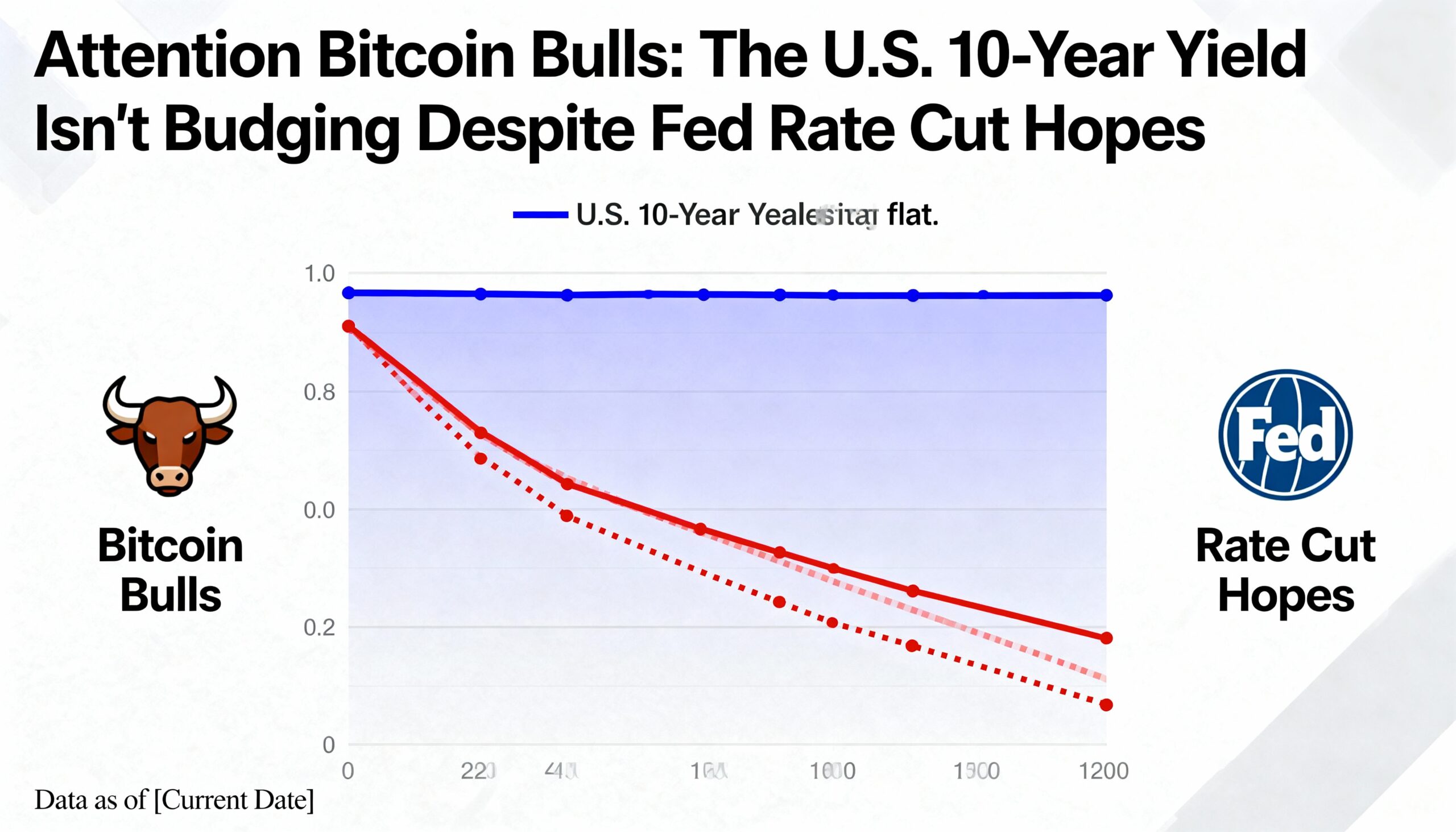
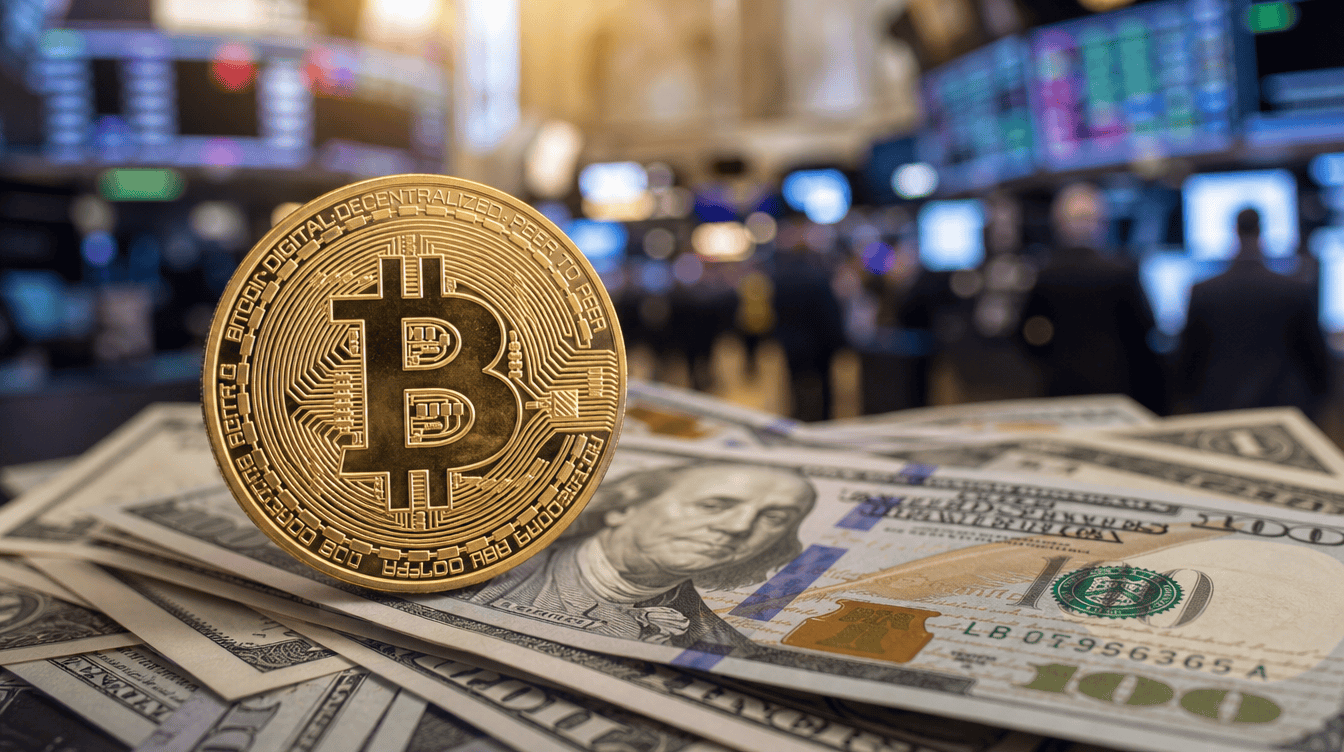
Crypto bulls counting on Federal Reserve rate cuts to push down bond yields and weaken the dollar may need to rethink their assumptions. Signals emerging from both the Treasury market and foreign exchange desks suggest that the traditional easing playbook isn’t playing out as expected.
The Fed is widely expected to deliver a 25-basis-point cut on Dec. 10, bringing the target range down to 3.5%-3.75% and extending the easing cycle that began in September of last year. Major investment banks, including Goldman Sachs, anticipate rates falling to around 3% in 2025. Under normal conditions, such an outlook would put downward pressure on Treasury yields and drag the dollar lower—conditions typically supportive of risk assets like bitcoin.
But the market isn’t cooperating. The 10-year Treasury yield continues to trade above 4% and has climbed roughly 50 basis points since the Fed initiated its first cut in mid-September 2024. Persistent fiscal concerns, expectations of heavy government bond supply, and stubborn inflation fears appear to be propping yields up.
“As the federal government becomes more deeply indebted, it must issue more bonds—increasing the supply of government debt in the market. Without a commensurate rise in demand from buyers, that additional supply could drive yields up and prices down,” Fidelity noted.
Adding to the pressure are renewed expectations of a Bank of Japan rate hike and rising Japanese Government Bond (JGB) yields. For much of the 2010s and the COVID era, ultra-low JGB yields helped suppress global borrowing costs. That dynamic is now reversing.
Meanwhile, the dollar index has grown less responsive to expectations for Fed easing. With rate cuts largely priced in—and with the U.S. economy outperforming peers—the greenback has held firm. The index’s downtrend, which began in April, stalled around 96.000 in September. Since then, it has rebounded and tested the 100.00 level multiple times.
The combined resilience of Treasury yields and the dollar signals a potential shift in global macro behavior. The once-reliable pattern—dovish Fed signals leading to lower yields, a softer dollar, and a bid for BTC and altcoins—may no longer apply in today’s market. In short: crypto traders hoping for the old script to return may need to stay vigilant.