cpeditor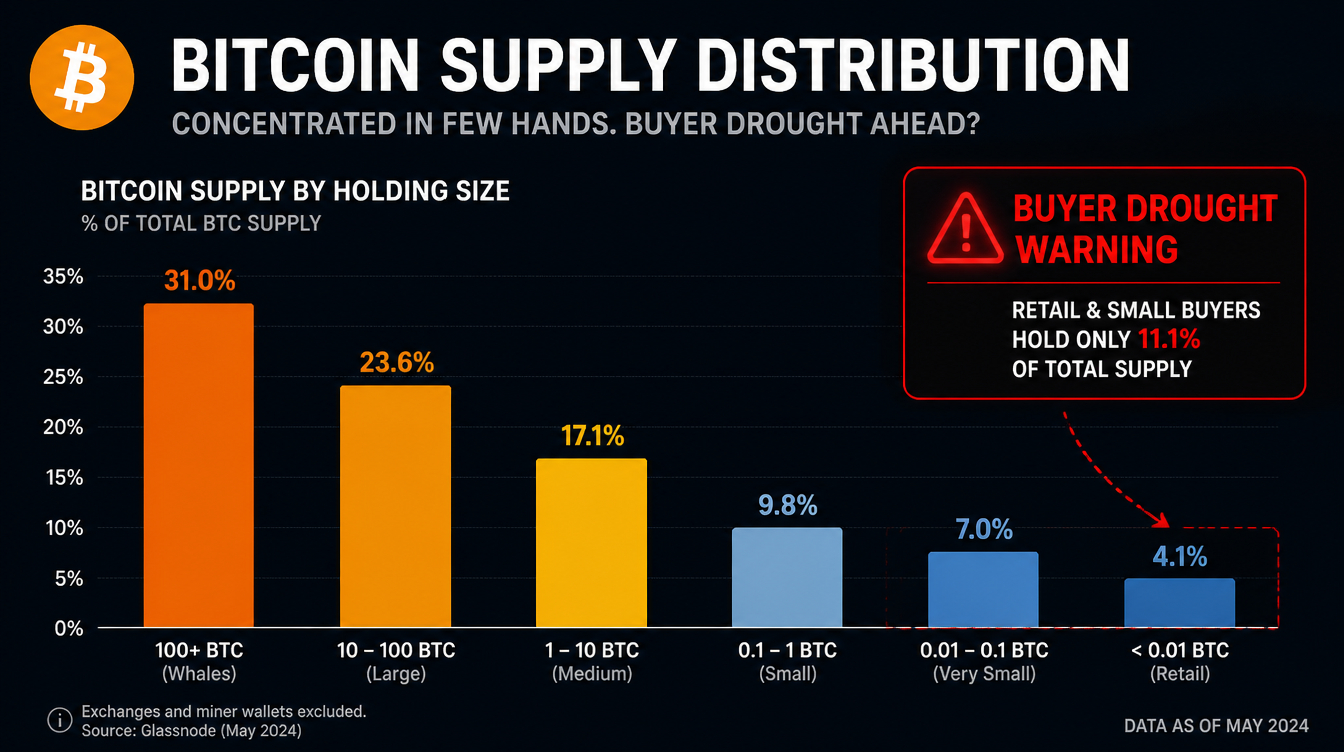
Bitcoin’s record-high long-term holder supply is typically viewed as a sign of strong investor conviction, but CryptoQuant argues it may instead reflect weakening demand and a slowdown in new buyer participation.
Bitcoin traded around $73,500 on Friday morning in Hong Kong, according to CoinDesk market data, roughly 10% below recent highs near $80,000, as on-chain indicators point to a market increasingly shaped by lower activity rather than fresh accumulation.
CryptoQuant data shows 15.8 million BTC is now classified as long-term holder supply, an all-time high. While this is often interpreted as accumulation and confidence, the firm says it may instead indicate reduced turnover and a shortage of new entrants into the market.
In a typical bull cycle, new demand absorbs selling from existing holders, and coins gradually age into long-term status as investors hold through appreciation. That process reflects healthy participation and expanding liquidity. CryptoQuant argues the current cycle looks different, with coins transitioning into long-term classification largely because fewer transactions are taking place overall.
The firm estimates short-term holder supply has fallen by about 2.2 million BTC since December. Roughly 900,000 BTC of that decline comes from Coinbase balances aging beyond the 155-day threshold used to define long-term holders. While this is a technical reclassification, it reinforces a broader trend of declining coin velocity across the market.
CryptoQuant says this creates a thinner underlying structure, where relatively small shifts in buying or selling pressure can have an outsized impact on price.
Whale activity supports this view. Wallets holding 1,000 to 10,000 BTC are reportedly contracting year over year at the fastest pace of 2026, with monthly balance growth essentially flat since February.
At the same time, “dolphin” wallets holding 100 to 1,000 BTC — often linked to ETFs and corporate treasuries — have also seen growth slow sharply after peaking in October 2025, when ETF inflows were at their strongest.
Broader market indicators align with this slowdown. Glassnode recently reported weakening spot demand and fading ETF inflows, noting that capital flows remain insufficient to sustain moves above key cost-basis levels near $78,000. Its Realized Profit/Loss Ratio, at 1.56, remains below levels typically associated with early-stage bull market expansion.
Prediction markets echo the same cautious tone. A Polymarket contract tracking Bitcoin’s May 30 close assigns roughly an 84% probability to BTC trading between $72,000 and $76,000, suggesting expectations of consolidation rather than breakout momentum.
Across on-chain data, ETF flows, and derivatives positioning, the dominant theme is not aggressive selling but a lack of new demand. Bitcoin remains above $70,000, but the market structure increasingly reflects existing holders sitting tight while fresh capital inflows remain limited.