cpeditor
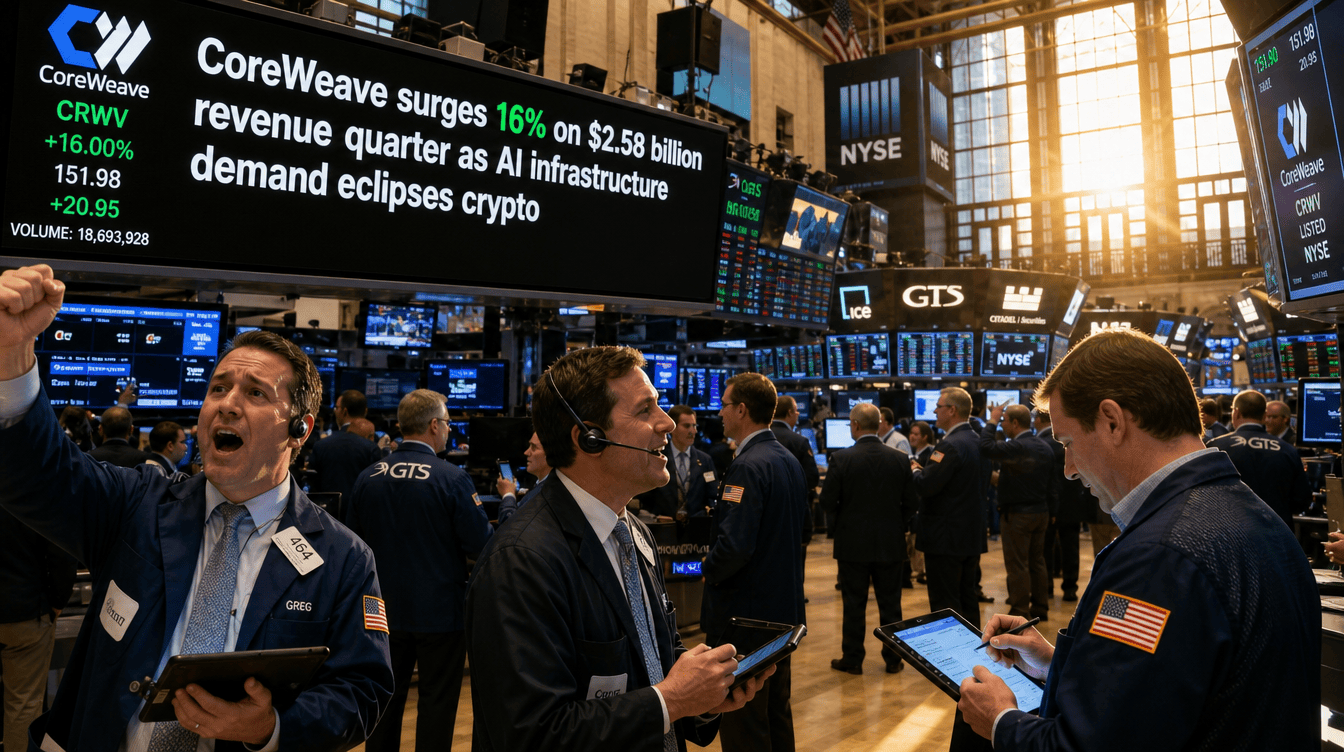
The “Magnificent Seven” tech companies experienced their worst trading session since April 2025 after Alphabet and Tesla fueled concerns about the scale and sustainability of AI investments. Bitcoin, meanwhile, showed resilience, declining less than 1%, while dogecoin led losses among major cryptocurrencies.
Bitcoin remained anchored near $65,000 during Friday’s Asian trading hours, barely reacting as nearly $800 billion in market value vanished from leading U.S. technology stocks. The move represented a rare departure from the AI-driven trend that had closely guided crypto markets throughout the month.
The largest cryptocurrency traded around $65,400, slipping slightly over the past 24 hours but still holding a 3% weekly gain. Ether fell 3% to $1,879, while most major digital assets moved lower. Dogecoin suffered the biggest decline among top tokens, dropping 5% on the day to $0.069 and losing 4% over the week. XRP declined 2% to $1.11, Solana fell 3% to $76, and Hyperliquid’s HYPE token dropped 4% over seven days to $58.
Compared with the sharp selloff in equities, crypto’s losses remained relatively limited.
The Magnificent Seven—comprising the largest U.S. technology firms—plunged 4.8% on Thursday, erasing around $797 billion in market capitalization. It was their largest single-day decline since the tariff-related market turmoil in April 2025.
The broader market also weakened, with the S&P 500 falling 1.2% and the Nasdaq 100 dropping 1.9%. The group’s combined value is now about 11% below its late-May record, representing roughly $2 trillion in losses.
The downturn was triggered by renewed worries over AI spending. Alphabet raised its annual capital expenditure outlook to as much as $205 billion, while Tesla CEO Elon Musk described 2026 as a major investment year after the company posted disappointing earnings results.
The updates intensified concerns that technology companies are committing massive amounts of capital to AI infrastructure before the financial benefits become clear.
Those same concerns have influenced crypto markets recently. Bitcoin had largely moved in tandem with the AI trade, gaining alongside semiconductor stocks and retreating when technology shares came under pressure.
Whether Bitcoin’s ability to withstand the AI-driven equity decline marks a genuine shift or only a temporary break remains uncertain. The connection between the sectors could eventually reappear, particularly as many Bitcoin miners continue expanding into AI data-center operations.
Still, after weeks of crypto closely following AI and chip stocks, Bitcoin’s stability during one of the technology sector’s biggest selloffs in months suggests digital assets may not be as tightly tied to the AI boom as recent market behavior suggested.