cpeditor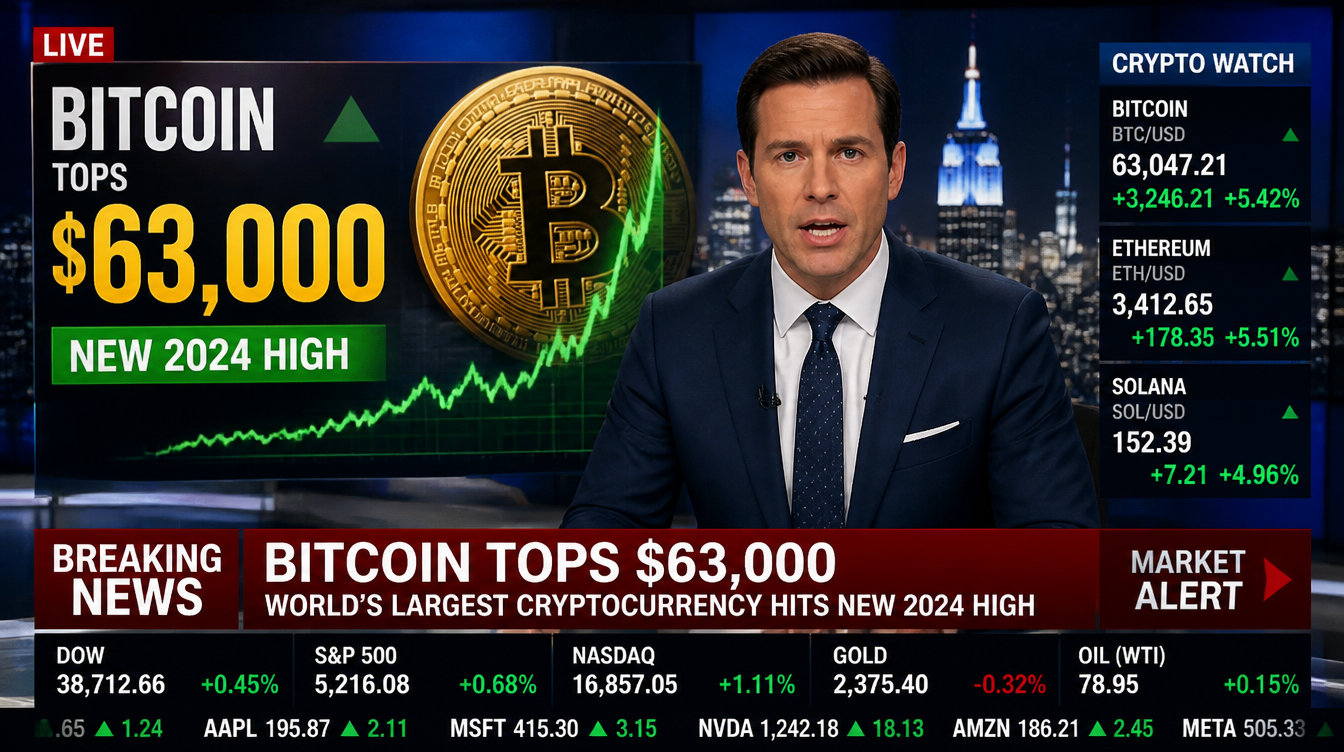
Here’s a tighter, more streamlined rewrite with a clearer macro-to-market flow and less repetition:
Fresh U.S. inflation data on Thursday delivered a mixed picture, while the European Central Bank raised interest rates for the first time in nearly three years, marking a notable shift in global monetary policy.
Markets now turn to Friday’s session, dominated by the debut of SpaceX in what is set to be one of the largest IPOs in history. The company priced shares at $135, according to an SEC filing, valuing the offering at $75 billion—surpassing Saudi Aramco’s 2019 record.
SpaceX sold 555.6 million shares at that price, implying a fully diluted valuation of roughly $1.8 trillion. Despite generating about $19 billion in annual revenue from launches, government contracts, and Starlink, the valuation places the company at a significant premium. It also holds 18,712 bitcoin as of March 31, worth nearly $1.2 billion at current prices.
Risk assets rallied into the event after geopolitical headlines lifted sentiment. President Trump’s comments about calling off planned strikes against Iran triggered a broad risk-on move, pushing the Nasdaq up 2.4% and the S&P 500 1.8%. Bitcoin rose to around $63,500, up roughly 2.5% over 24 hours.
Crypto-related stocks also gained, with Coinbase up 3.6%, Galaxy Digital rising 8.8%, and Strategy adding 4.3%.
Earlier in the day, markets accelerated gains after Trump posted on Truth Social that diplomatic discussions with Iran had reached senior leadership levels, prompting him to cancel planned military action. The move sent equities to session highs, pulled oil down about 3%, and lowered U.S. Treasury yields, while Bitcoin held near $63,400.
Attention around SpaceX has been intense. BlackRock reportedly placed orders worth at least $5 billion, while retail demand has surged beyond $70 billion, according to Bloomberg. However, allocation is expected to be limited, leaving most orders unfilled.
Some retail investors have been funding IPO participation by selling tech stocks, particularly in AI and semiconductors, contributing to recent pressure in those sectors.
Bitcoin market signals remain mixed. The Coinbase Premium Index briefly dropped to deeply negative levels, indicating stronger selling pressure on U.S. exchanges compared with offshore venues, even as prices dipped below $63,000 following producer price data.
ETF flows remain a key headwind, with U.S. spot Bitcoin ETFs posting $213.85 million in outflows in a single day and more than $5.7 billion in cumulative redemptions since mid-May.
Some analysts warn the correction may not be finished, with downside scenarios still pointing toward a potential retest of $50,000 as capital rotates into IPOs and AI-linked assets while traders hedge macro and geopolitical uncertainty.
At the same time, corporate Bitcoin treasury activity has weakened further, with several publicly listed firms selling portions of holdings to manage debt or liquidity, adding incremental supply into a fragile market.
On the macro side, U.S. producer price data showed a mixed inflation signal, briefly weighing on Bitcoin before prices stabilized near $62,500. In Europe, the ECB’s first rate hike in nearly three years underscored a renewed tightening cycle driven by persistent inflation pressures.
Gold slipped to a six-month low while Bitcoin held relatively steady above $63,000, though both remain pressured by higher rate expectations and a strong dollar backdrop.
Derivatives positioning shows rising conviction but also risk. Bitfinex margin longs have climbed above 90,000 BTC for the first time since late 2023, suggesting aggressive leveraged exposure even as price action remains volatile—historically a setup that often precedes sharp moves in either direction.
Overall, markets are being shaped by a rare convergence of macro shifts, geopolitical headlines, and a record-breaking IPO, leaving liquidity flows and positioning as the dominant short-term drivers.