cpeditor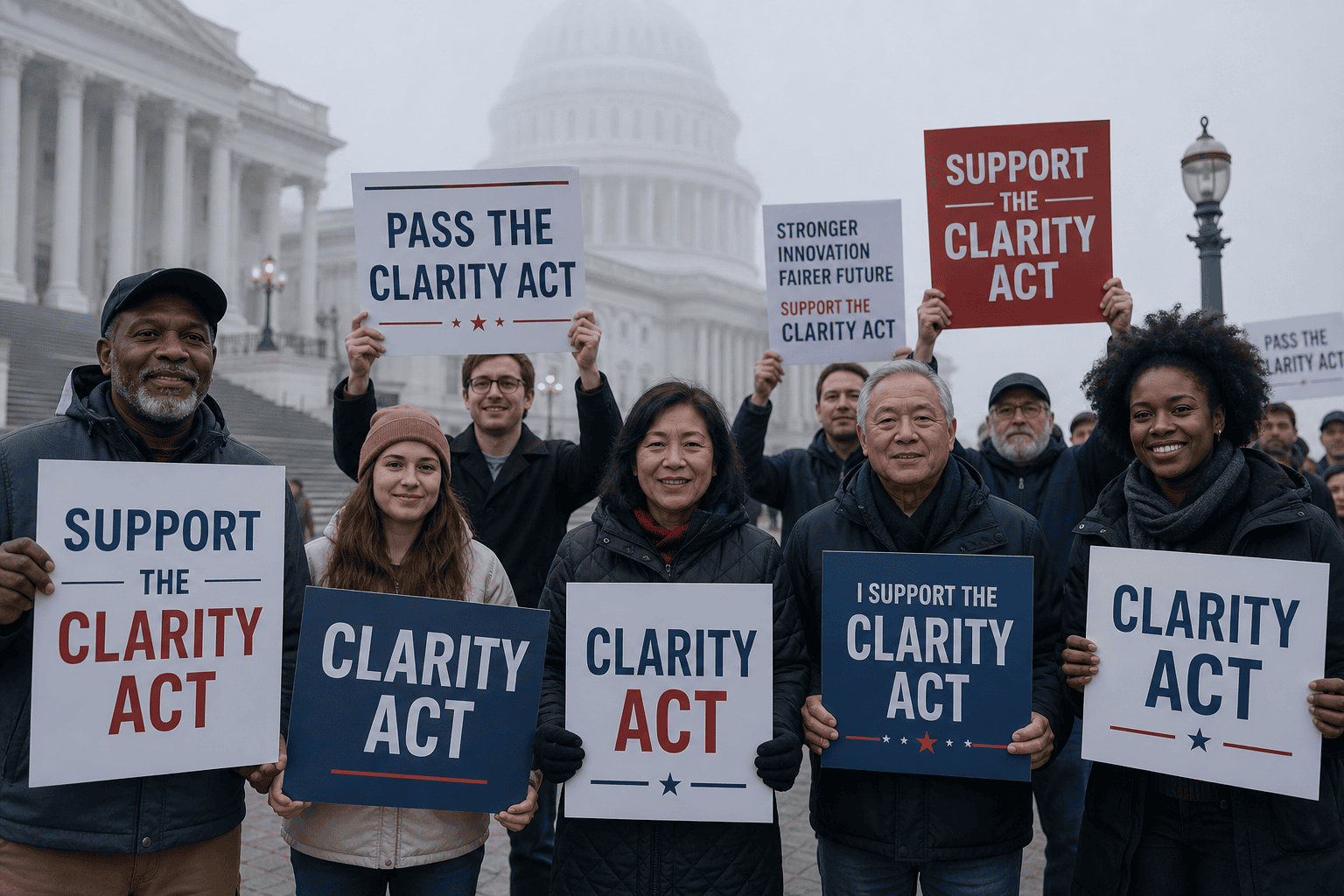
Here’s another rewritten version with a more concise and analytical news style:
The crypto market structure bill is unlikely to clear the Senate before lawmakers leave for their summer recess, according to Senate Majority Leader John Thune. However, he suggested the Digital Asset Market Clarity Act could still take its first procedural steps before the break.
Negotiators in Congress and representatives from the crypto industry had been aiming for an August 7 deadline, seeing it as a critical point for keeping the legislation on track for potential approval in 2026. That timeline now appears increasingly out of reach.
Thune said he hopes to begin the Senate floor process before recess, although moving forward will depend on securing enough votes.
If debate begins before lawmakers depart, the bill could remain positioned for a short window of Senate activity in September. However, the approaching midterm elections and competing legislative priorities could make further progress difficult.
The legislation has also faced renewed political friction following the release of its latest draft. Lawmakers from both parties have raised objections, while many Democrats have challenged provisions concerning limits on crypto-related activities by senior government officials, including President Donald Trump.
The crypto industry had expected lawmakers to complete the Clarity Act within weeks, but pushing the timeline deeper into the year could sharply reduce its chances of becoming law in 2026.
Thune’s office said the Senate’s next focus will likely be a bipartisan proposal involving sanctions against Russian officials and tariffs on trade partners. The measure, previously championed by Senator Lindsey Graham, is expected to take priority on the Senate floor.
White House crypto adviser Patrick Witt offered a more positive outlook, arguing that the first week of August could still provide time for Senate action. Although he agreed a July vote is unlikely, Witt said the opportunity remains open.
The Senate will only return briefly in September before lawmakers turn their attention to November’s elections. Even if the Senate approves the Clarity Act, the House would still need to pass the legislation for it to advance.
For the crypto industry, the Clarity Act remains a top legislative priority, with supporters viewing it as a potential foundation for long-term U.S. digital asset regulation.
However, the bill still faces a difficult path, requiring broad Senate support and overcoming disagreements over areas such as stablecoin yield rules and ethics restrictions.
Senator Cynthia Lummis, one of the bill’s leading negotiators, said contentious sections are still being revised in an effort to gain additional bipartisan support.
Supporters believe starting the Senate process could create momentum and encourage compromise, but the bill’s future now depends on whether lawmakers can find time to act before the recess begins.