cpeditor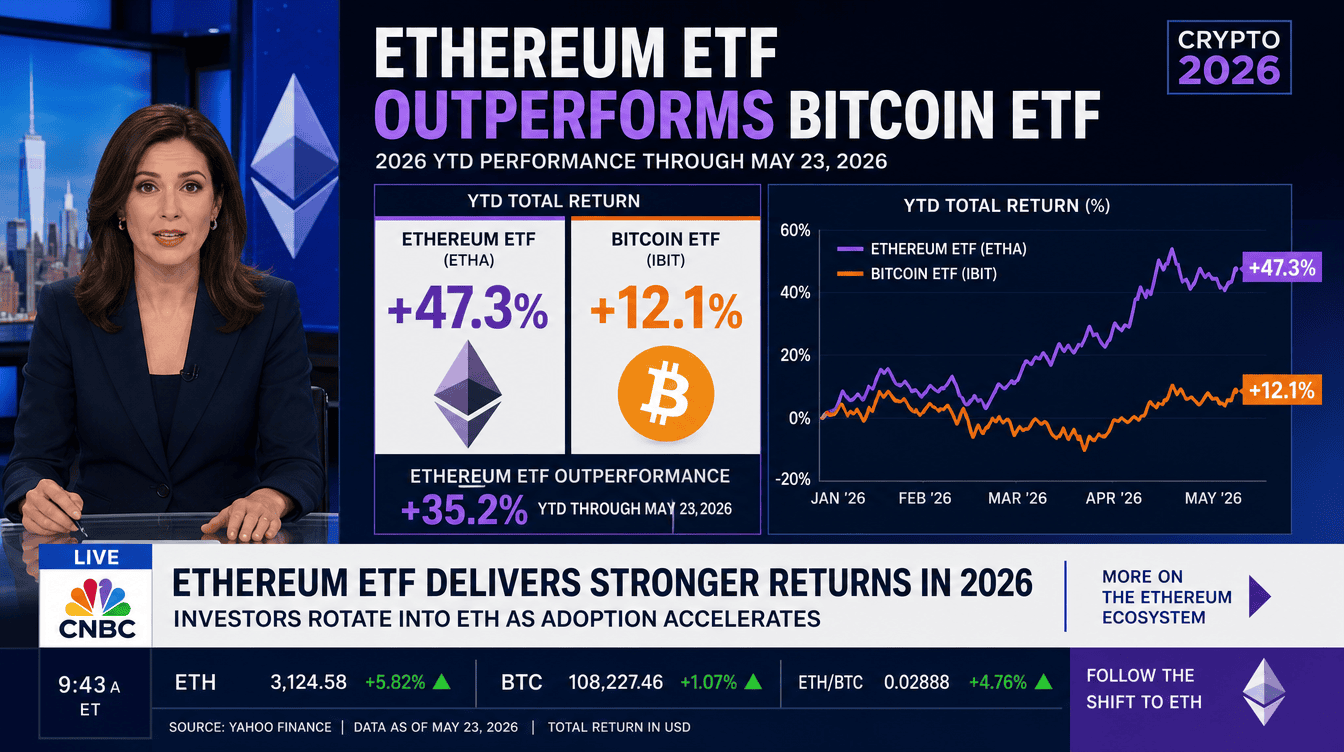
Ethereum ETFs recorded inflows of 37,959 ETH, worth about $71.17 million, during the seven days ending July 28, while Bitcoin ETFs saw investors withdraw 3,170 BTC valued at approximately $200.23 million over the same period.
The contrasting ETF flows, reported by Lookonchain using CoinGlass data, mark Ethereum ETFs’ third straight week of net inflows and highlight a growing debate: is institutional capital simply shifting between crypto assets, or does this represent the early stages of a broader change in allocation trends?
The answer appears to be a combination of both. However, the factors driving Ethereum’s momentum and Bitcoin’s weakness are not identical. Bitcoin ETFs still hold a significantly larger asset base, and Ethereum’s recent inflow streak comes after a challenging period earlier in the year marked by persistent outflows. The rotation is evident, but it does not yet represent a complete reversal in institutional preference.
ETF Breakdown Shows a Sharp Difference Between BTC and ETH Flows
Fund-level data reveals a major contrast between the two markets. BlackRock’s IBIT, the largest spot Bitcoin ETF by assets, recorded outflows of 3,511 BTC last week, exceeding the entire Bitcoin ETF category’s net decline of 3,170 BTC.
Other Bitcoin funds experienced mixed results. Grayscale’s Bitcoin products lost 10 BTC, while Bitwise’s BITB declined by 27 BTC. Meanwhile, Fidelity’s FBTC gained 109 BTC and ARK 21Shares’ ARKB added 77 BTC, but those inflows were not enough to offset the broader withdrawals.
Ethereum ETF flows were even more concentrated. BlackRock’s ETHA accounted for 37,424 ETH of the total 37,959 ETH entering Ethereum ETFs, capturing nearly all of the category’s weekly inflows.
Grayscale’s Ethereum products added 5,515 ETH, while Fidelity’s FETH saw outflows of 4,980 ETH, nearly canceling out Grayscale’s gains. ETHA’s dominance reflects its competitive advantage, with the fund controlling around 68% of U.S. spot Ethereum ETF assets and offering lower fees than older Grayscale products. For institutional investors, liquidity and cost efficiency remain key factors, making ETHA the leading choice.
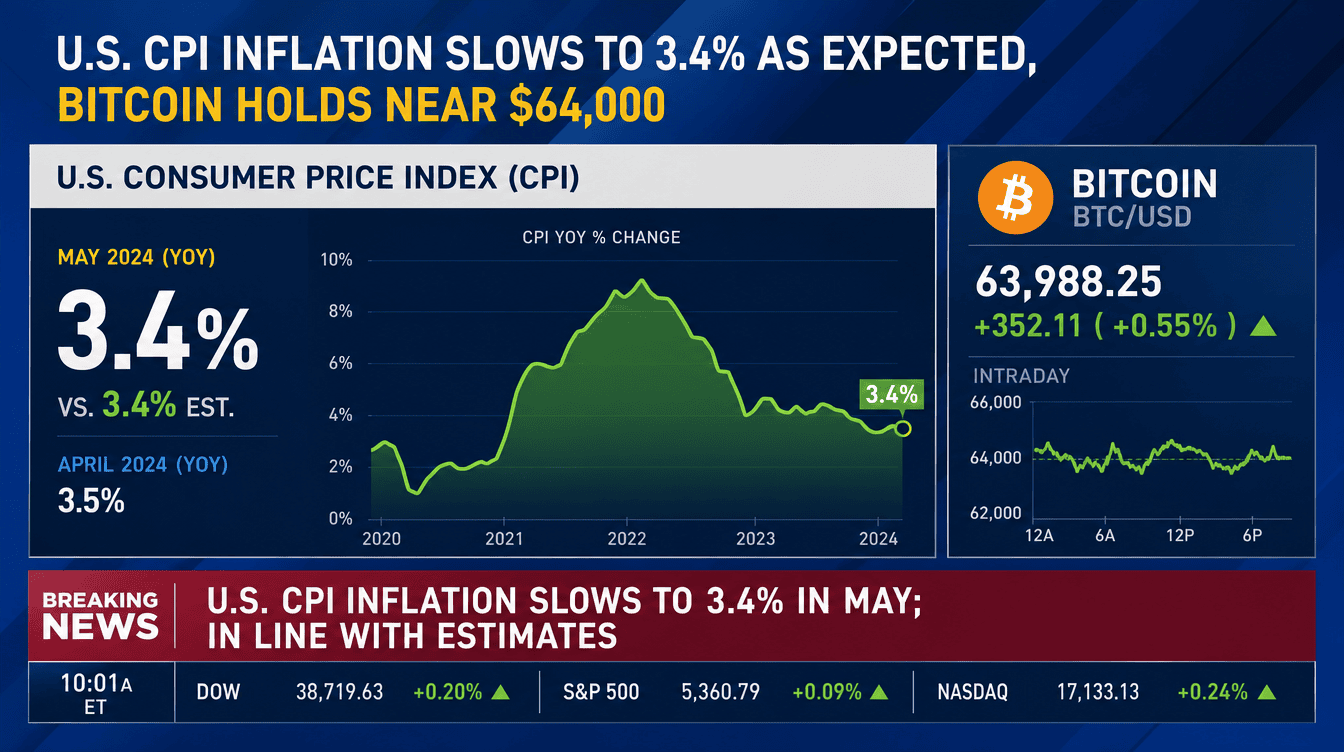
Bitcoin traded near $63,900, rising about 4% over the week despite ETF outflows. The divergence between fund flows and price action is not unusual, as ETF redemptions can sometimes reflect portfolio adjustments rather than a broader bearish outlook.
Bitcoin’s recent struggles near the $64,000 level have also coincided with major liquidation events, suggesting some ETF selling may be linked to repositioning rather than a complete shift away from BTC.
Ethereum Gains Momentum Despite Bitcoin’s Dominant Lead
Bitcoin ETFs continue to maintain a significant advantage in overall assets, holding approximately $76.22 billion compared with Ethereum ETFs’ $9.72 billion. The more than sevenfold difference shows that Ethereum still has a long way to go before challenging Bitcoin’s institutional footprint.
However, the latest data indicates that new capital entering the crypto ETF market is increasingly favoring Ethereum.
Bitcoin ETFs have recovered only about 3.3% of the $8.2 billion in outflows recorded through mid-July. Continued withdrawals from major products such as IBIT suggest that Bitcoin ETF demand has yet to fully recover.
Ethereum ETFs, by comparison, generated $103.9 million in net inflows for the week ending July 24, outperforming other spot crypto ETF products during that period. Three consecutive weeks of inflows after a difficult stretch suggest the renewed demand may be more than a temporary rebound.
The Ethereum narrative is also being supported by corporate treasury activity. BitMine shares climbed 13% as investors responded positively to its Ethereum-focused treasury strategy, while SharpLink Gaming continued adding ETH to its holdings despite market uncertainty.
The combination of ETF inflows and corporate accumulation suggests Ethereum’s recent strength may extend beyond a short-term rotation, potentially signaling a gradual shift in institutional crypto investment patterns.