cpeditor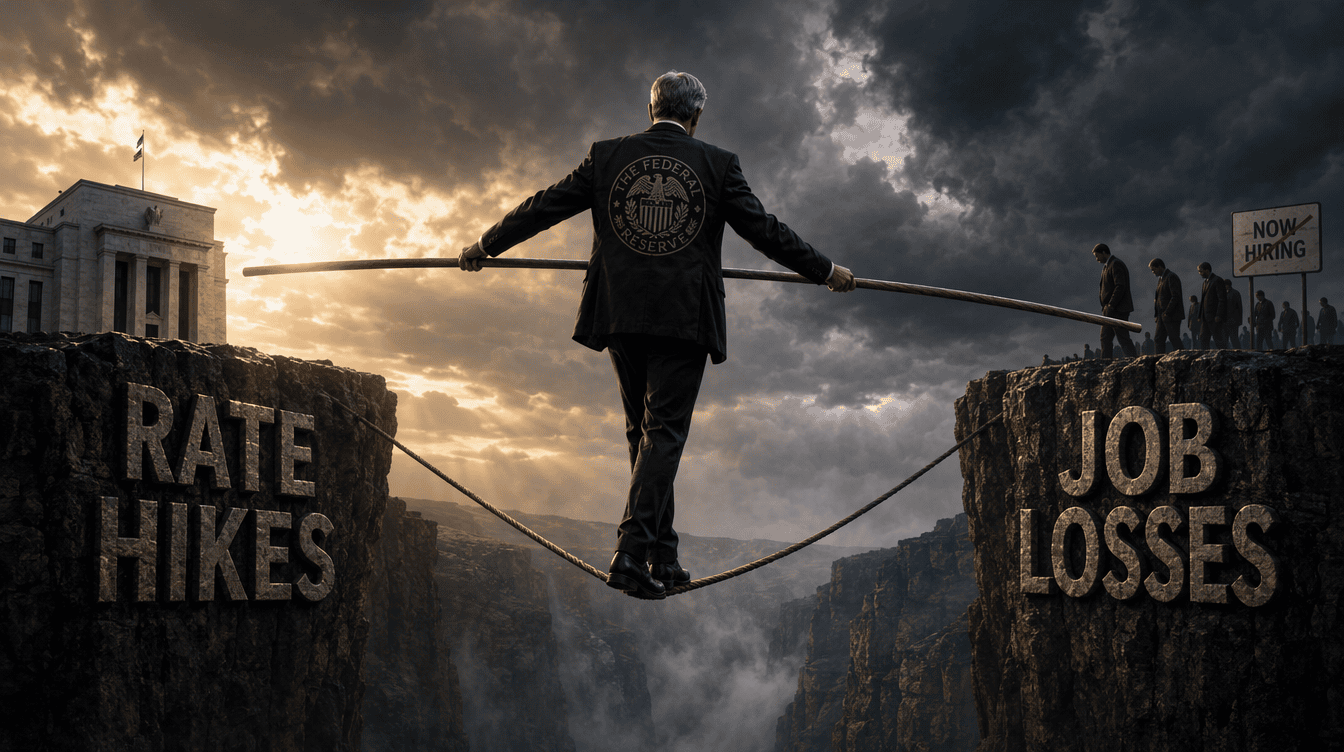
The probability of the Federal Reserve raising interest rates in September declined below 50% after a weaker-than-expected U.S. employment report reduced expectations for further monetary tightening.
The U.S. labor market lost momentum for the second month in a row in July, potentially giving policymakers more reason to keep borrowing costs steady despite inflation remaining elevated.
The latest Nonfarm Payrolls report from the government showed that employers cut 23,000 jobs in July, sharply missing economists’ expectations for an 80,000-job increase. The result also represented a slowdown from June’s revised gain of 20,000 jobs, which was previously estimated at 57,000.
Employment growth for May was revised lower as well, with payroll additions adjusted to 63,000 from the earlier figure of 129,000.
July’s decline marked the first monthly drop in U.S. employment since February, when the economy shed 156,000 positions.
The unemployment rate unexpectedly moved down to 4.1%, compared with forecasts for 4.2% and the previous month’s reading of 4.2%.
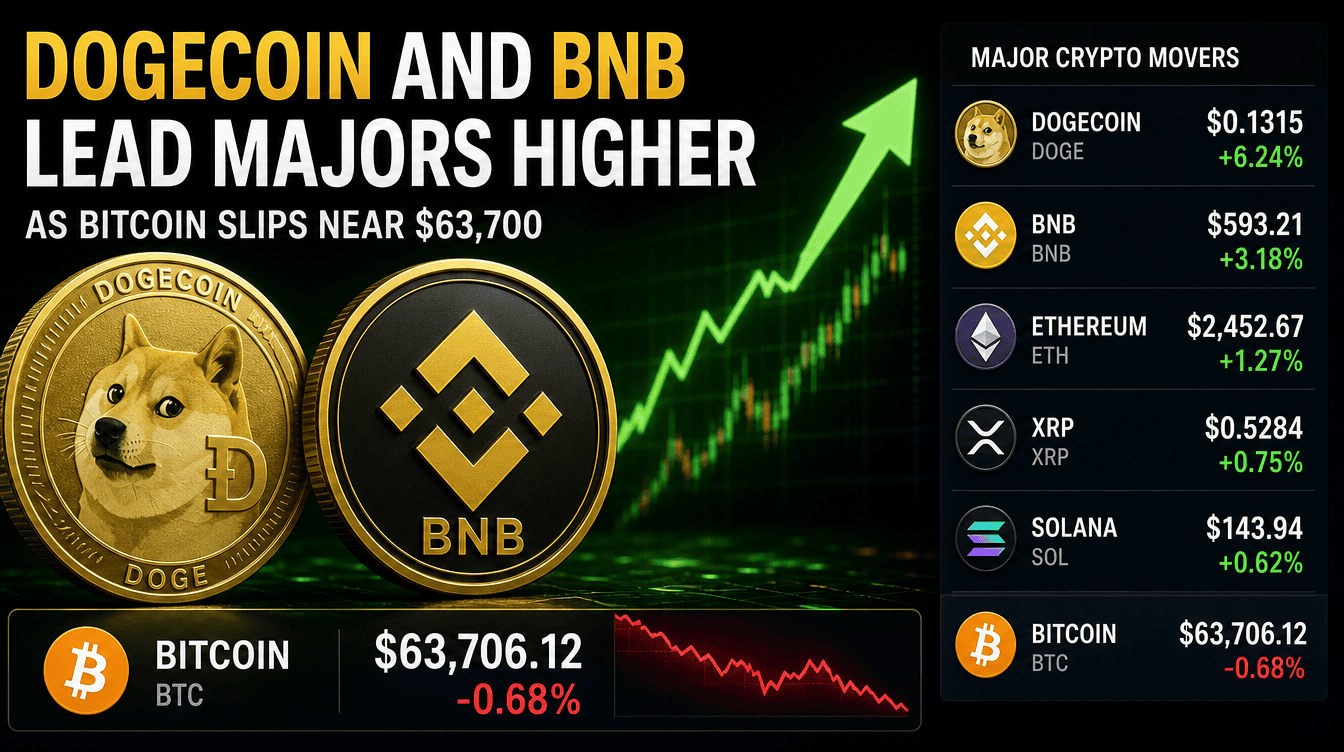
Financial markets reacted positively to signs of a cooling labor market. U.S. stock futures gained ground, Treasury yields moved lower, and precious metals rallied, with gold rising 3% and silver climbing nearly 6%. Bitcoin saw little movement, remaining slightly higher near the $65,000 level.
The report also highlighted weaker wage growth. Average hourly earnings increased only 0.1% in July, below expectations for a 0.3% rise and June’s 0.3% increase. Annual wage growth slowed to 3.2%, missing forecasts of 3.5% and declining from the previous month’s 3.4%.
Before the jobs data was released, markets were divided over whether the Fed would raise rates at its September meeting. According to CME FedWatch, traders had been pricing in a 55% chance of a rate hike. Following the disappointing employment figures, those odds fell to 46%.