cpeditor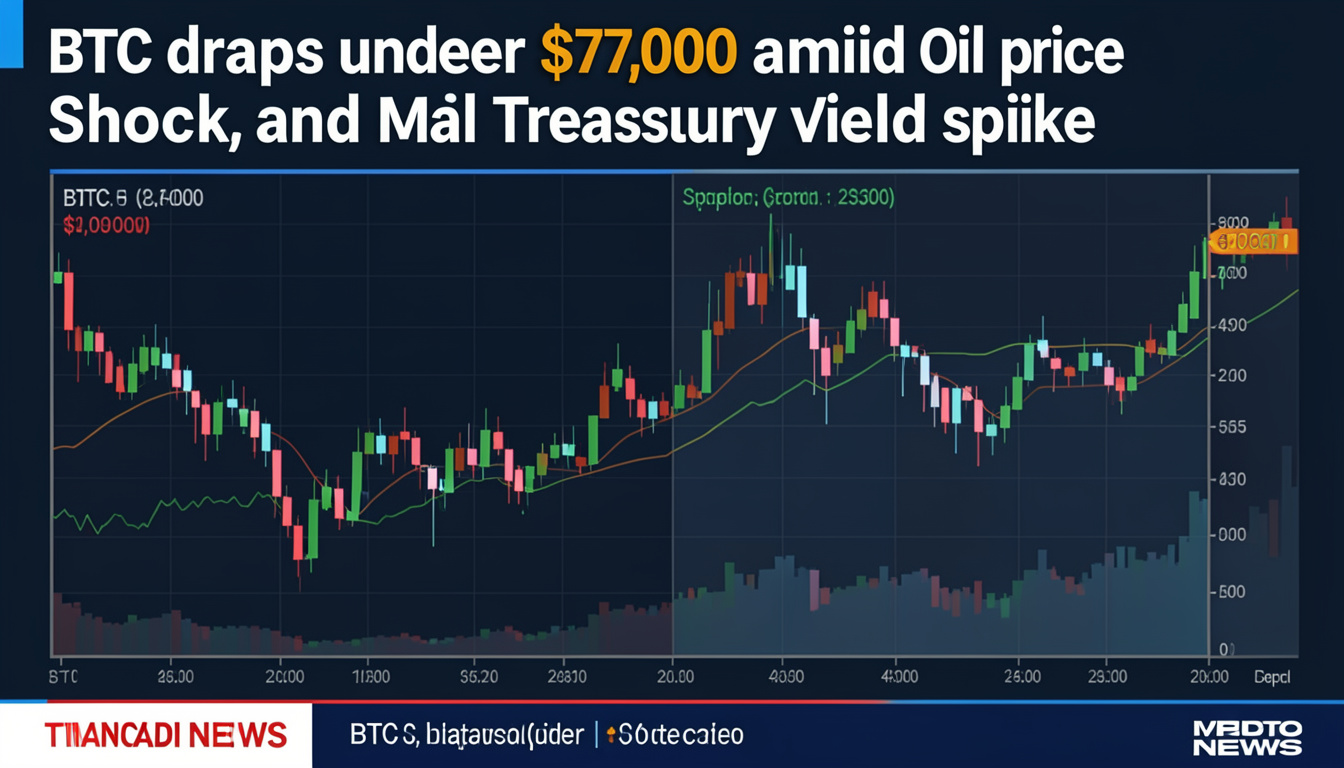
Bitcoin traded below $77,000 in Asian hours on Monday as a renewed surge in oil prices and rising Treasury yields weighed on broader risk sentiment, with markets continuing to push back expectations for Federal Reserve easing.
The macro backdrop has turned increasingly restrictive. The 30-year U.S. Treasury yield climbed to 5.13%, marking its highest level since 2007, while shorter-duration yields extended gains to fresh 12-month highs. At the same time, prediction markets are signaling near certainty that the Fed will leave rates unchanged in the coming meetings, with odds of a pause standing at 98% for June and 94% for July.
This environment poses a challenge for bitcoin. Elevated yields raise the opportunity cost of holding non-income-generating assets, while persistent inflation—partly driven by higher oil prices—continues to pressure speculative markets.
On-chain metrics, however, suggest that longer-term conviction remains intact.
Data highlighted by Binance Research shows that nearly 60% of bitcoin’s supply has remained dormant for over a year, indicating strong holding behavior among long-term investors. In parallel, exchange balances have declined to their lowest levels in six years, pointing to limited immediate sell-side pressure.
That said, weakness is emerging among newer market participants.
Short-term holder MVRV has slipped below 1, meaning recent buyers are, on average, holding unrealized losses. This creates a more fragile setup, as these participants may be more reactive to further downside, particularly if macro conditions continue to deteriorate.
Attention now turns to a series of near-term catalysts. Nvidia’s earnings on Wednesday are expected to serve as a key signal for broader risk appetite given its central role in equity markets’ AI-driven rally. U.S. PPI data on Thursday will provide additional clarity on whether inflation pressures are spreading beyond energy.
Developments around the CLARITY Act in Washington also remain in focus as policymakers continue to shape the regulatory landscape for digital assets.
For now, bitcoin remains caught between supportive structural factors and a tightening macro environment. While reduced exchange supply and inactive long-term holdings may help cushion prolonged selling, they are unlikely to prevent sharp moves if rising yields or risk aversion intensify.
The near-term outlook depends on whether BTC can find stability in a high-rate regime, as markets weigh persistent inflation risks against the diminishing likelihood of policy easing.