cpeditor
Crypto markets tumbled overnight as an aggressive flush of leveraged long positions triggered a widespread liquidation cascade across major tokens. The decline tracked a broader risk-off move in global markets, where rising bond yields and equity weakness weighed on sentiment.
More than $500 million in long positions were liquidated as bitcoin slid toward $78,000 during early Saturday trading in Asia. The move represents a 3.2% drop over the past 24 hours, wiping out all gains from the previous week when BTC briefly climbed above $82,000.
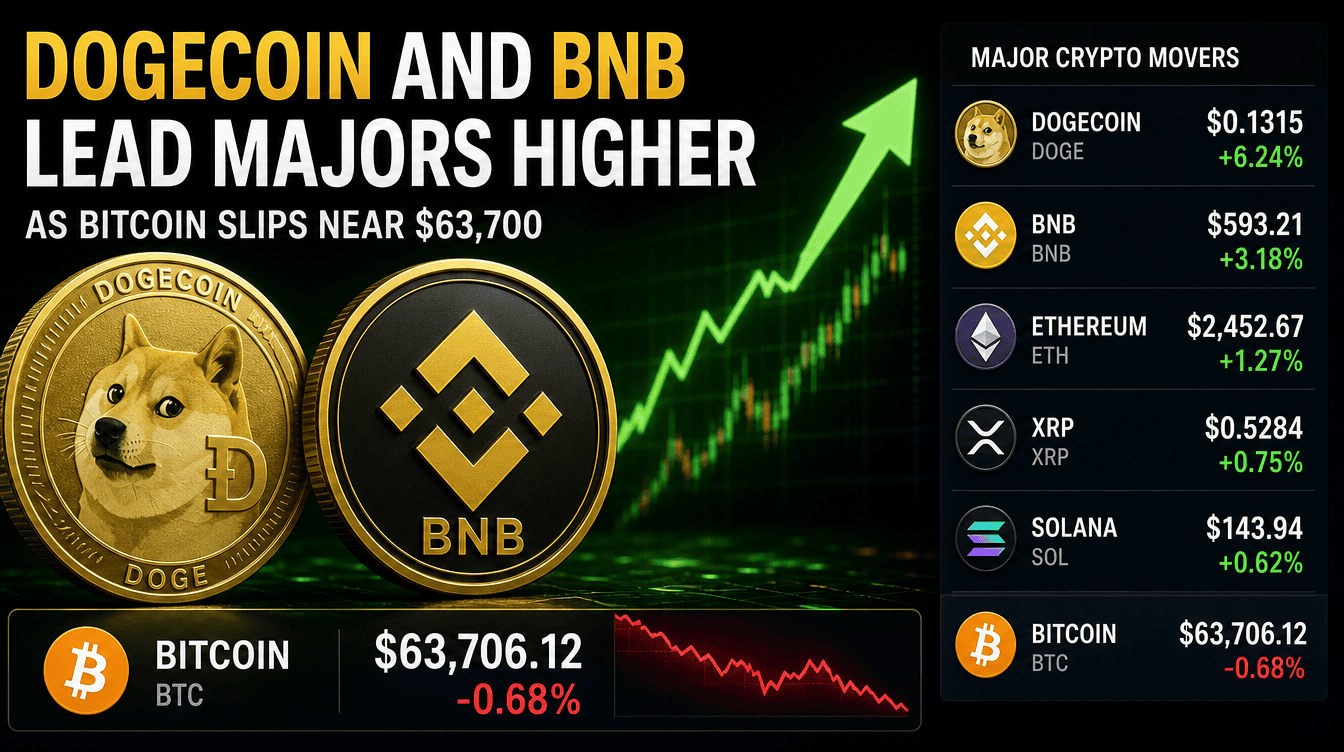
Selling pressure spread across altcoins. Solana (SOL) fell 5% to $86.98, extending its seven-day loss to 7%, while XRP dropped 4.3% to $1.41. Ether (ETH) declined 3.3% to $2,189, bringing its weekly losses to 5.3%—the largest among major cryptocurrencies. BNB showed relative resilience, down 3.9% on the day but still holding onto a 1.1% weekly gain. Dogecoin (DOGE) slipped 4.2% to $0.1095.
According to CoinGlass, total liquidations reached $581 million over the past 24 hours, with longs accounting for a dominant $552 million compared to just $28 million in shorts. Bitcoin led liquidations at $189 million, followed by ether at $151 million. The largest single event was a $21.59 million BTCUSDT position on Bitget.
The heavy long bias—accounting for roughly 95% of liquidations—highlights how crowded bullish positioning had become, intensifying the selloff once prices began to reverse.
Macro headwinds amplified the move. The S&P 500 fell 1.2% in its weakest session since March, while the Philadelphia Semiconductor Index dropped 4% after driving much of the recent equity rally. Meanwhile, U.S. 10-year Treasury yields climbed above 4.5%, Japan’s 30-year yield reached 4% for the first time, and U.K. long-dated yields touched a 28-year high. The U.S. dollar strengthened further, while Brent crude prices held above $105.
At the center of the market repricing is inflation. Stronger-than-expected CPI and PPI data earlier in the week, combined with elevated oil prices tied to geopolitical tensions involving Iran and disruptions in the Strait of Hormuz, have shifted expectations around monetary policy.
Markets that had been positioned for easing through 2026 are now recalibrating toward a more hawkish outlook, with traders increasingly pricing in the possibility of additional rate hikes rather than cuts—pressuring both traditional and digital assets.