cpeditor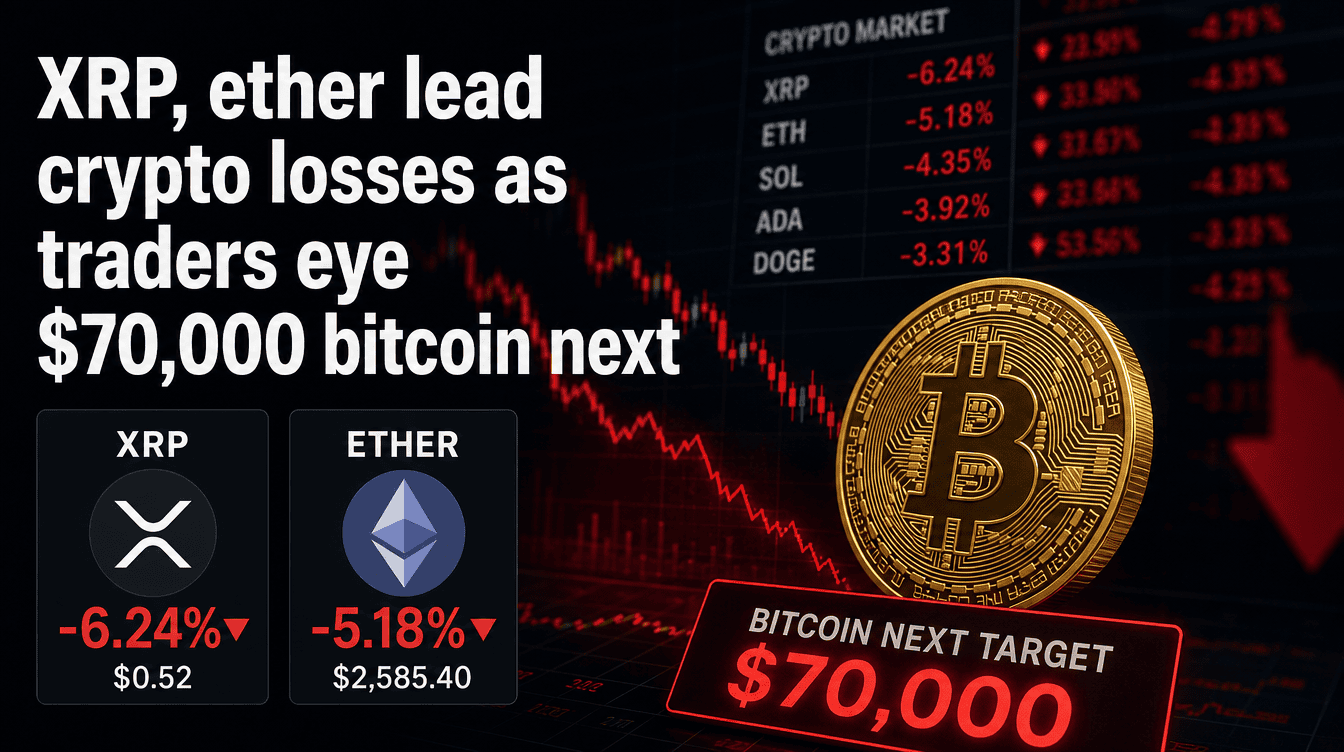
Bitcoin continued to struggle below $65,000 on Tuesday, failing to hold above the level for a fourth consecutive session. The weakness came as higher oil prices fueled fresh inflation concerns ahead of Wednesday’s U.S. inflation report.
BTC dropped more than 1% to roughly $64,000, although it remained slightly higher on a seven-day basis. Bitcoin briefly moved above $65,300 during the past 24 hours before losing ground during the Asian trading session.
Ether led declines among the largest cryptocurrencies, falling more than 2% to about $1,878. Despite the daily setback, ETH remained marginally higher for the week. XRP declined nearly 2% to around $1.01 and has fallen almost 6% over the past seven days, making it the weakest performer among the major tokens.
Solana was down less than 1% at below $76 but remained roughly 3% higher for the week. BNB slipped to approximately $600 and retained a 2% weekly gain.
Some large-cap cryptocurrencies moved against the broader trend. Hyperliquid’s HYPE gained close to 2% to about $55, Tron edged higher toward $0.33 and Dogecoin posted a slight increase near $0.07.
Alex Kuptsikevich, chief market analyst at FxPro, said Bitcoin has tested the $65,000 area repeatedly over the past four days but has not attracted enough buying pressure to break through.
He also pointed out that sellers have not aggressively stepped in at the level. That behavior could indicate that traders are opening short positions above $65,000 rather than existing holders taking profits, he said.
A decisive break higher would put $70,000 in focus. The psychological level is located near Bitcoin’s 200-day moving average, and a move above it would take BTC beyond the trading range that dominated March and April. Such a breakout could represent a meaningful shift in market sentiment, according to Kuptsikevich.
Investor mood remains cautious, however. The crypto sentiment index is at 30, firmly within the fear zone. It has remained there since mid-July, occasionally nearing extreme-fear territory.
Rising Oil Prices Complicate the Macro Outlook
The broader market backdrop has also become less supportive for risk assets. The U.S. 10-year Treasury yield climbed six basis points Monday to 4.71%, while government bond yields in Australia and New Zealand also increased. U.S. Treasury markets were closed during Asian hours because of a Japanese public holiday.
Brent crude was trading near $87.73 per barrel after rising 5% Monday. The jump followed new demands from President Donald Trump toward Iran, reducing optimism that a deal could soon facilitate the reopening of the Strait of Hormuz.
Gold continued its rally, gaining for a third straight session and remaining above $4,400 an ounce.
The oil move has put added focus on Wednesday’s U.S. inflation data, due at 8:30 a.m. ET. Higher energy prices could add to inflation pressures and reduce expectations for interest-rate cuts, creating another potential headwind for Bitcoin and other risk assets.
Recent Bitcoin fund flows had offered some support. U.S. spot Bitcoin funds attracted around $865 million over the five sessions through Aug. 7. Preliminary figures for Monday, however, showed approximately $91 million in net outflows.