cpeditor
Bitcoin’s biggest holders are increasing their exposure, with the number of wallets containing at least 10,000 BTC rising to a six-month high.
Blockchain analytics firm Santiment reported that 90 wallets now hold 10,000 BTC or more. The figure has increased by six addresses over the last eight weeks, representing a 7.1% rise.
The renewed activity among the largest wallets follows a broader accumulation trend that has been developing since late July. Since July 29, wallets holding between 10 BTC and 10,000 BTC have accumulated roughly $1.5 billion worth of Bitcoin, Santiment said.
The firm previously highlighted the contrast between large holders adding BTC and smaller investors reducing their positions. It said this supply shift could improve the chances of Bitcoin moving above $70,000 rather than falling below $60,000.
Smaller “micro” wallets have continued to shrink their holdings throughout August. Santiment connected the divergence to recent sources of market uncertainty, including the Coldcard hardware-wallet exploit that resulted in roughly $120 million worth of Bitcoin being stolen.
Delays surrounding the U.S. Clarity Act have also contributed to the cautious sentiment. The Senate has pushed consideration of the long-awaited crypto market-structure bill into September.
The latest wallet activity indicates a gradual transfer of Bitcoin from smaller investors to larger holders, commonly referred to as “strong hands.” Such supply shifts can be important because large holders tend to have a greater influence on available market liquidity.
Historically, periods of increased accumulation by major Bitcoin holders have sometimes occurred before significant price moves. Santiment therefore sees the latest rotation as a potential signal favoring an upside move.
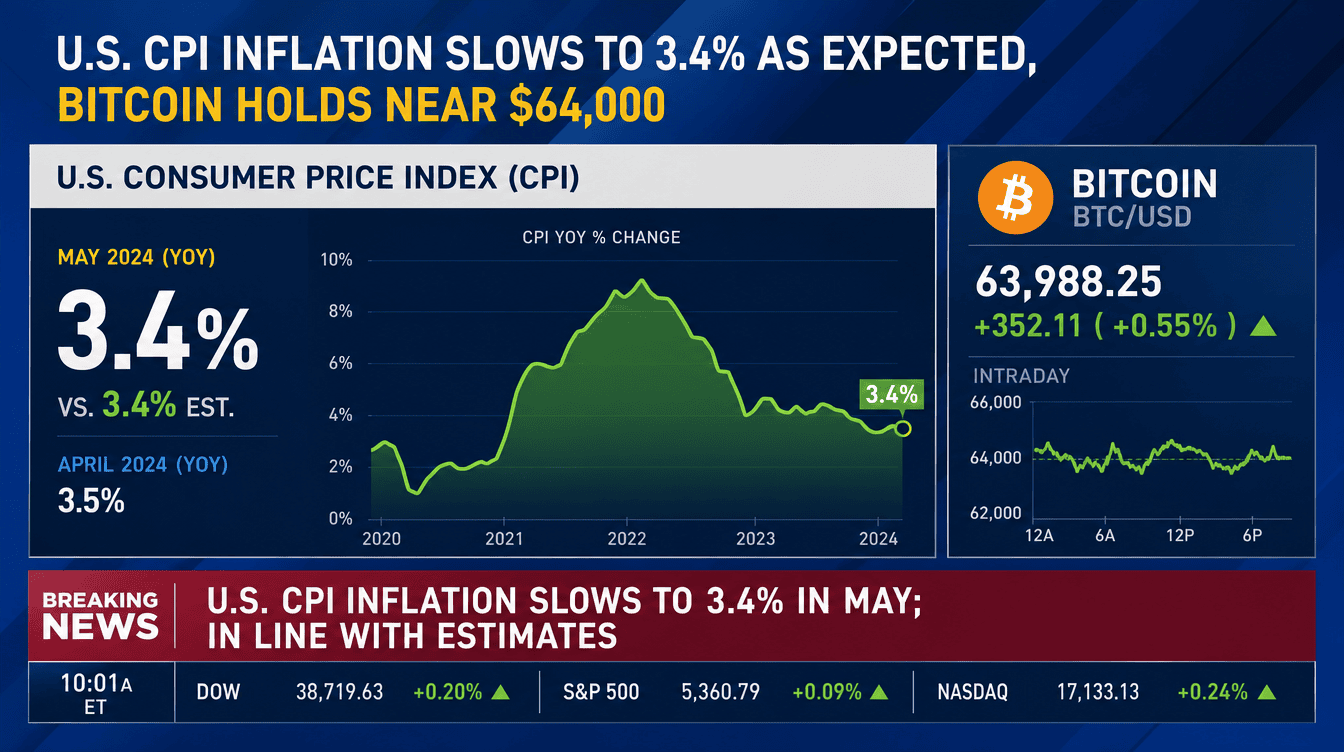
Bitcoin was trading near $63,800 at the time of writing. It remains unclear whether the increase in whale holdings will develop into a sustained recovery or simply mark a temporary pause in the market’s current trend.
For now, the on-chain data points to a growing divide between investor groups: large Bitcoin holders are adding to their positions, while smaller holders are continuing to reduce exposure.