cpeditor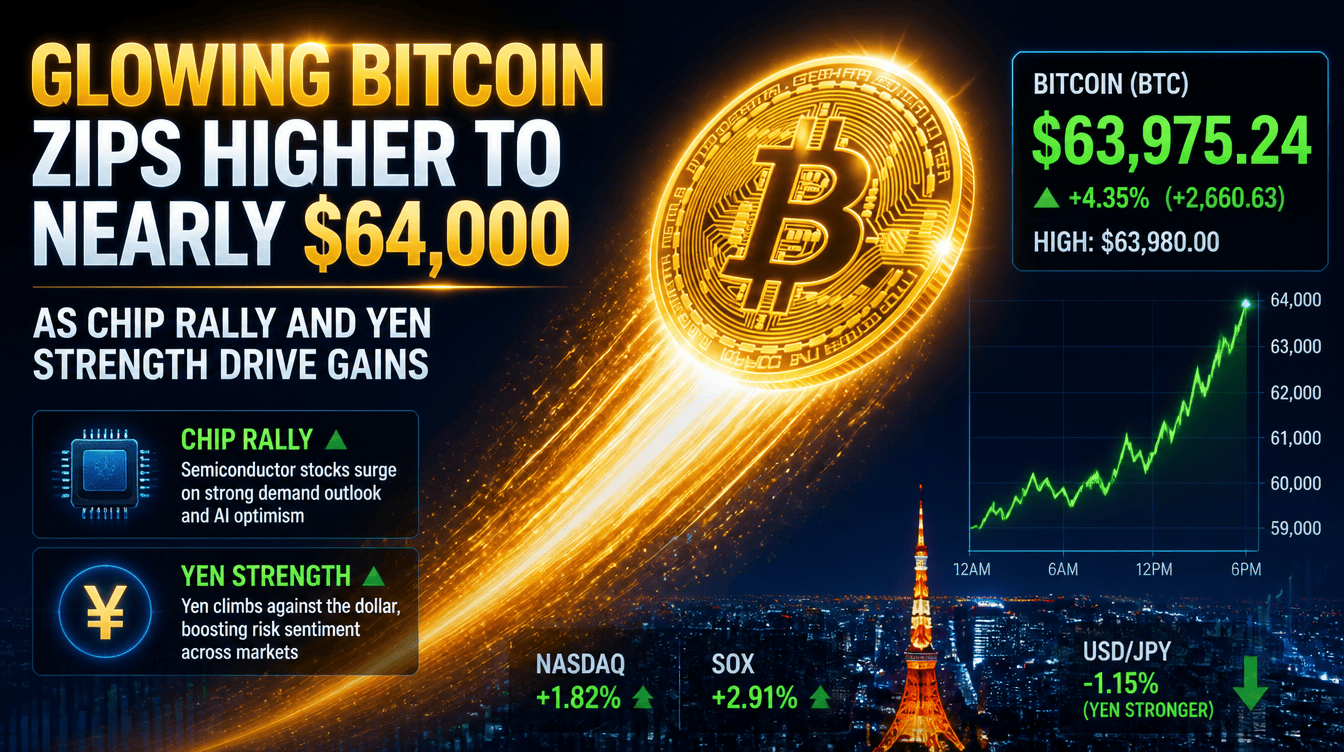
Bitcoin pushes toward $64K as AI chip rally and dollar weakness drive recovery
Bitcoin staged a strong comeback on Friday, recording its biggest gain of the week as investors moved past concerns over oil prices, bond market volatility, and rising geopolitical tensions.
The largest cryptocurrency climbed 3.5% to nearly $64,000 after recovering from losses triggered by fears that U.S. strikes against Iran could expand. BTC briefly fell to about $61,850 before buyers returned, with around $28 billion in trading volume over the previous 24 hours. CoinDesk data showed bitcoin ended the week with a 4.2% gain.
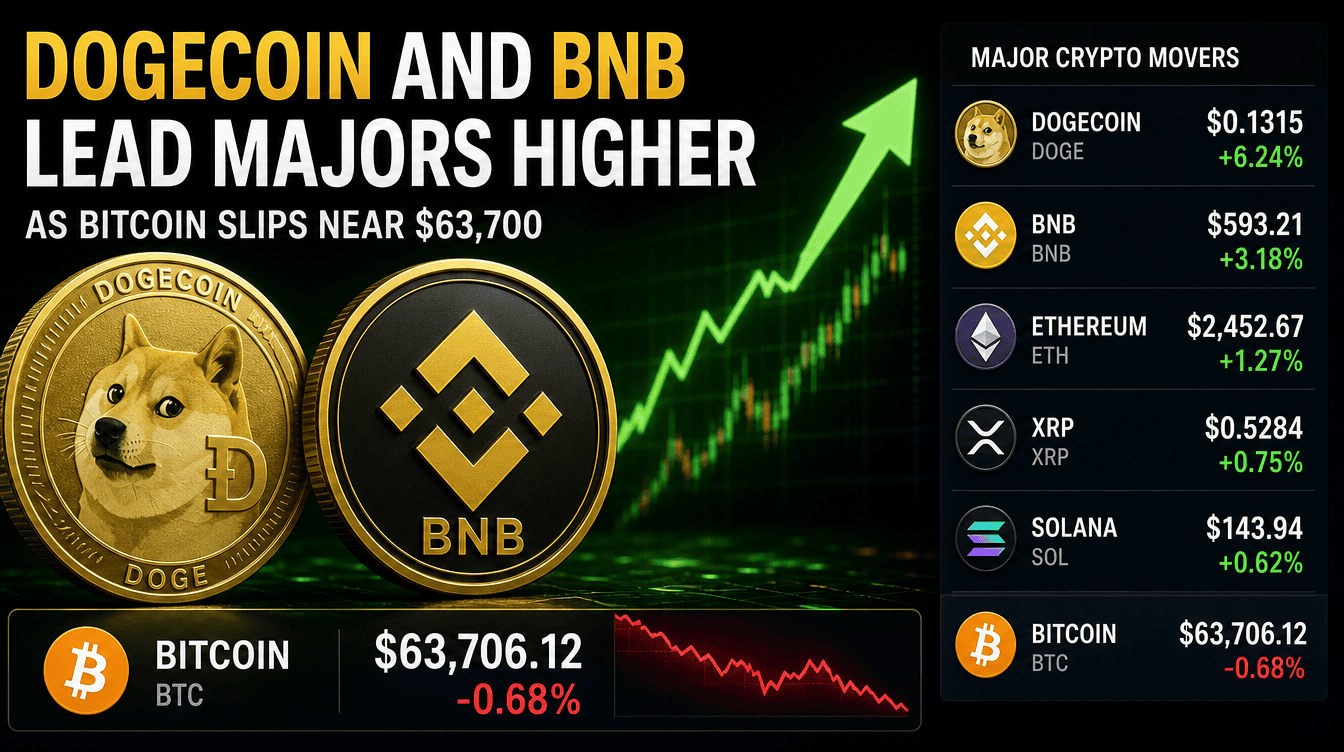
Major altcoins also moved higher. Ether rose 2.6% to $1,760, securing a 4% weekly increase. Solana gained 2.6% to $78 but remained down 2.1% over the week, making it the only major cryptocurrency still in the red. XRP advanced 2.2%, while TRON increased 1.2% and led major tokens with a 4.7% weekly rise. Hyperliquid’s HYPE added 1.8% to $68, and Dogecoin climbed 2.6% but still posted a small weekly decline.
The sharp rebound was partly driven by movements in the derivatives market. Traders quickly reduced positions after geopolitical concerns sparked selling pressure and then returned to the market, creating a rapid recovery fueled by leverage adjustments rather than a major increase in new demand.
Shawn Young, chief analyst at MEXC Research, said liquidation-driven moves can cause markets to move faster than actual investor demand would normally support. He is now watching whether bitcoin can maintain stability within the $60,000 to $63,000 range following its recovery.
The broader market recovery was supported by renewed strength in Asian equities, particularly semiconductor stocks benefiting from continued optimism around artificial intelligence growth. MSCI’s Asia Pacific index rose 1.4% as investors returned to technology shares, reducing its weekly losses to less than 1%.
South Korea’s Kospi index jumped 4%, helped by strong interest in AI-related companies. SK Hynix was among the top performers after pricing a $26.5 billion American depositary share offering, ranking among the largest equity offerings this year.
Currency movements also contributed to improved sentiment. The Japanese yen gained 0.6%, while long-term Japanese government bond yields declined after Finance Minister Satsuki Katayama called for pension funds to increase their exposure to domestic assets. The U.S. dollar continued to weaken and moved toward a second straight weekly decline.
Bitcoin’s weekly gains came without major crypto-specific catalysts. There were no large ETF inflows, significant blockchain upgrades, or major exchange events. Instead, BTC held up despite several macro challenges, including an oil shock, a global bond selloff, shifting Federal Reserve expectations, and renewed U.S.-Iran military tensions.
Investors are now focused on the continued weakness of the dollar as a potential market driver. With bitcoin benefiting from a softer greenback and ongoing demand for AI-related investments, cryptocurrency markets may continue to take direction from technology and semiconductor trends rather than developments within the crypto ecosystem itself.