cpeditor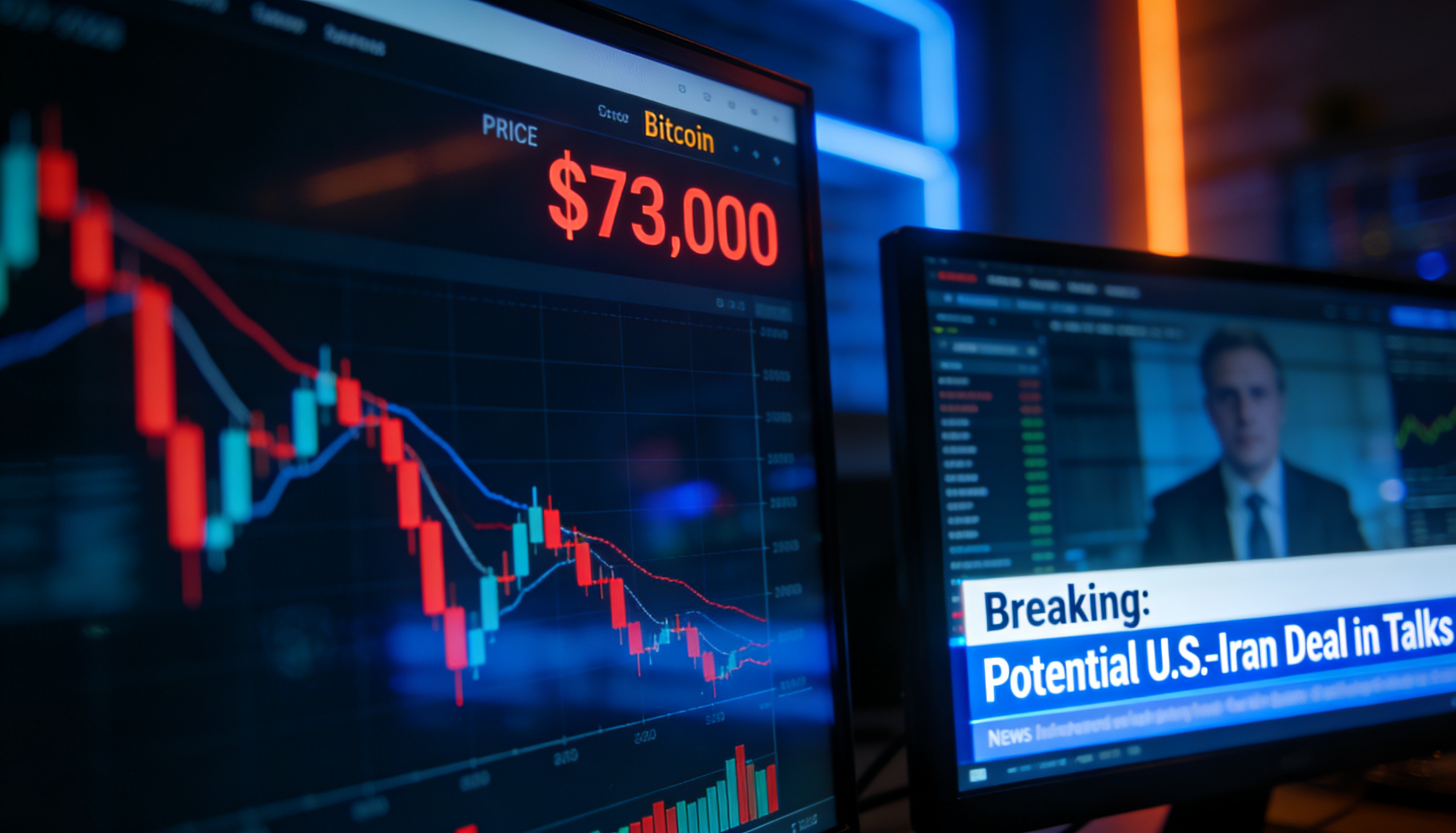
U.S. equities, government bonds, and crude oil advanced on renewed expectations of de-escalation in the Middle East, while crypto markets continued to lag despite improved sentiment across traditional risk assets.
Axios reported that U.S. and Iranian negotiators have drafted a 60-day memorandum of understanding aimed at extending the ceasefire and opening discussions on Iran’s nuclear program. President Donald Trump has not yet approved the agreement.
The development followed overnight U.S. airstrikes on an Iranian military site near the Strait of Hormuz, a key global energy shipping corridor that has been a major source of macro volatility in recent months.
Despite skepticism surrounding repeated ceasefire headlines, markets reacted positively. The Nasdaq reversed earlier losses to gain about 0.6%, while WTI crude fell below $90 per barrel as concerns over supply disruptions eased.
Crypto markets failed to participate in the broader rebound. Bitcoin remained under pressure, slipping back below $73,000 after an intraday recovery attempt, extending a roughly 2.7% decline over the past 24 hours and highlighting persistent weakness in digital asset sentiment.
Following the Axios report, U.S. Treasury Secretary Scott Bessent warned that Washington would not tolerate any attempts to impose tolls on shipping through the Strait of Hormuz. He pledged aggressive sanctions against any parties involved in disrupting commercial traffic through the waterway, including indirect facilitators.
On the macroeconomic front, the first inflation reading released under Federal Reserve Chair Kevin Warsh showed renewed price pressures. The Personal Consumption Expenditure (PCE) index rose to 3.8% year over year in April, up from 2.8% in February, marking the highest level in nearly three years.
Fitch Ratings’ head of U.S. economics, Olu Sonola, said the data reflects a worsening inflation environment. “This is not just a headline inflation problem: core inflation is moving the wrong way too,” he said. “Price pressures are likely to persist over the next few months… The Fed is stuck — and the heat is clearly being turned up.”
While equities and bonds responded to easing geopolitical risk and shifting macro signals, crypto assets remained subdued, underscoring a continued divergence in risk appetite between digital assets and traditional markets.