cpeditor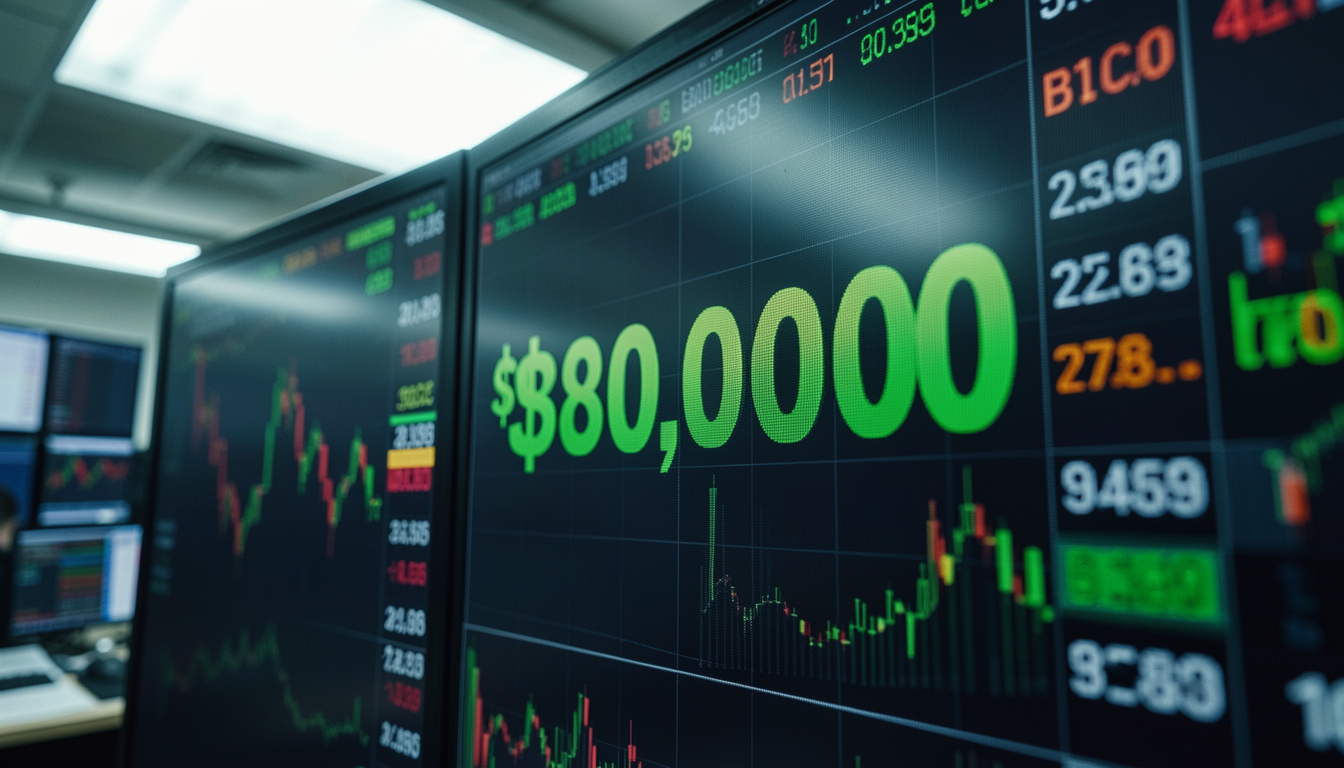
Bitcoin’s push above $80,000 appears to have been fueled primarily by leveraged trading activity rather than strong spot demand, casting doubt on the rally’s durability.
Data shows limited participation from U.S.-based investors, who are typically crucial for sustaining bullish trends. This is reflected in the Coinbase Premium, which has remained negative since late April, according to CryptoQuant. The metric compares bitcoin prices on Coinbase with those on offshore exchanges.
A negative reading suggests that offshore traders are driving the rally by paying higher prices than U.S. buyers. In stronger market conditions, a positive premium عادة signals robust demand from U.S. institutions.
Despite this imbalance, bitcoin still advanced around 5%, briefly surpassing $82,000 before falling back below $80,000 after hotter-than-expected U.S. producer price data. The cryptocurrency was last trading near $79,500.
Notably, the entire move occurred while the Coinbase Premium remained below zero—a shift first identified on April 29, when a spike in realized losses indicated that underwater holders were selling into strength.
On-chain data further highlights the lack of strong spot demand. CryptoQuant’s apparent demand metric has improved from -91,000 BTC in April to roughly -11,000 BTC, but remains slightly negative, signaling that demand has yet to fully absorb supply.
Instead, recent momentum has been driven largely by activity in perpetual futures markets. These leveraged instruments allow traders to amplify exposure but can unwind quickly during market stress, making such rallies more fragile.
That fragility is already evident, with bitcoin slipping back below the $80,000 mark in the past 24 hours.
CryptoQuant analysts describe the current move as a relief rally rather than the beginning of a new accumulation phase. They point to similarities with March 2022, when bitcoin surged 43% before stalling near its 200-day moving average and resuming a downtrend. The current rally is up about 37% from April lows, with unrealized profit levels nearing comparable levels.
Looking ahead, the $70,000 level is seen as a key support zone. This aligns with the Traders’ On-chain Realized Price—the average cost basis of short-term holders—and represents a point where profit margins compress, potentially easing selling pressure and helping stabilize the market.