cpeditor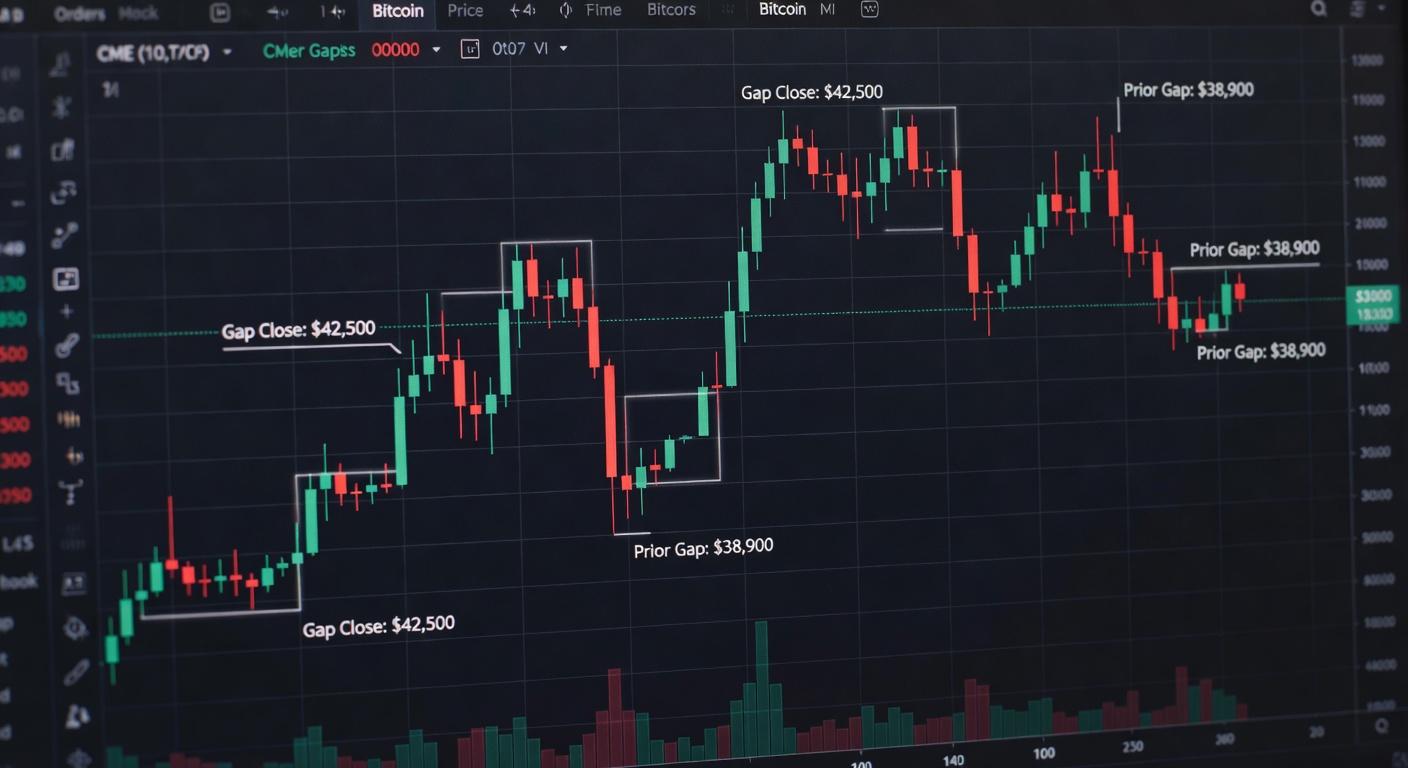
CME Group has upgraded its Bitcoin futures and options markets to near-continuous trading, effectively erasing the long-standing weekend gap structure and aligning traditional derivatives more closely with Bitcoin’s 24/7 spot market.
Beginning Friday, CME Bitcoin derivatives now trade on Globex almost around the clock, with only a two-hour maintenance window between 3:00 and 5:00 UTC on Saturdays. While weekend activity will still settle on the next business day, the shift removes the structural break that once defined CME’s trading calendar relative to crypto markets.
For years, the Friday close and Sunday reopen produced a persistent price gap that traders closely monitored. Many built strategies around “gap fills,” treating the divergence between CME futures and continuous spot trading as a short-term signal. Thin weekend liquidity often amplified price swings, leading to sharp but low-volume moves that frequently reversed once institutional participation returned.
The Sunday evening reopen, typically around 23:00 UTC, was often associated with brief volatility spikes as futures repriced to reflect weekend spot action. These moves were usually short-lived, stabilizing once deeper liquidity re-entered the market.
With CME’s revised structure compressing downtime into a narrow maintenance period, similar inefficiencies may still occur but are expected to be less pronounced and less reliable as a trading pattern going forward.
The change also strengthens continuous risk management for institutional investors. Asset managers, hedge funds, and corporate treasuries can now adjust Bitcoin exposure at any time during the week, reducing weekend hedging gaps and lowering risk premiums tied to illiquidity.
Despite the upgrade, CME remains a comparatively small liquidity venue in the broader crypto derivatives landscape. Volmex Labs CEO Cole Kennelly noted that BlackRock’s IBIT ETF options market holds roughly $27 billion to $30 billion in open interest, compared with just $800 million to $900 million for CME Bitcoin futures and options. That disparity has helped position the BVIV-US Index (BVUS), derived from IBIT options activity, as a key benchmark for Bitcoin volatility.
Offshore perpetual futures and ETF-linked derivatives continue to dominate price discovery. However, CME’s move reduces fragmentation by bringing legacy futures infrastructure closer to Bitcoin’s native always-on structure.
Three CME gaps remain open, all formed earlier this year. Two sit above current spot levels near $73,000 — one around $78,500 and another near $80,000 — while a third lies below the market just under $70,000.