cpeditor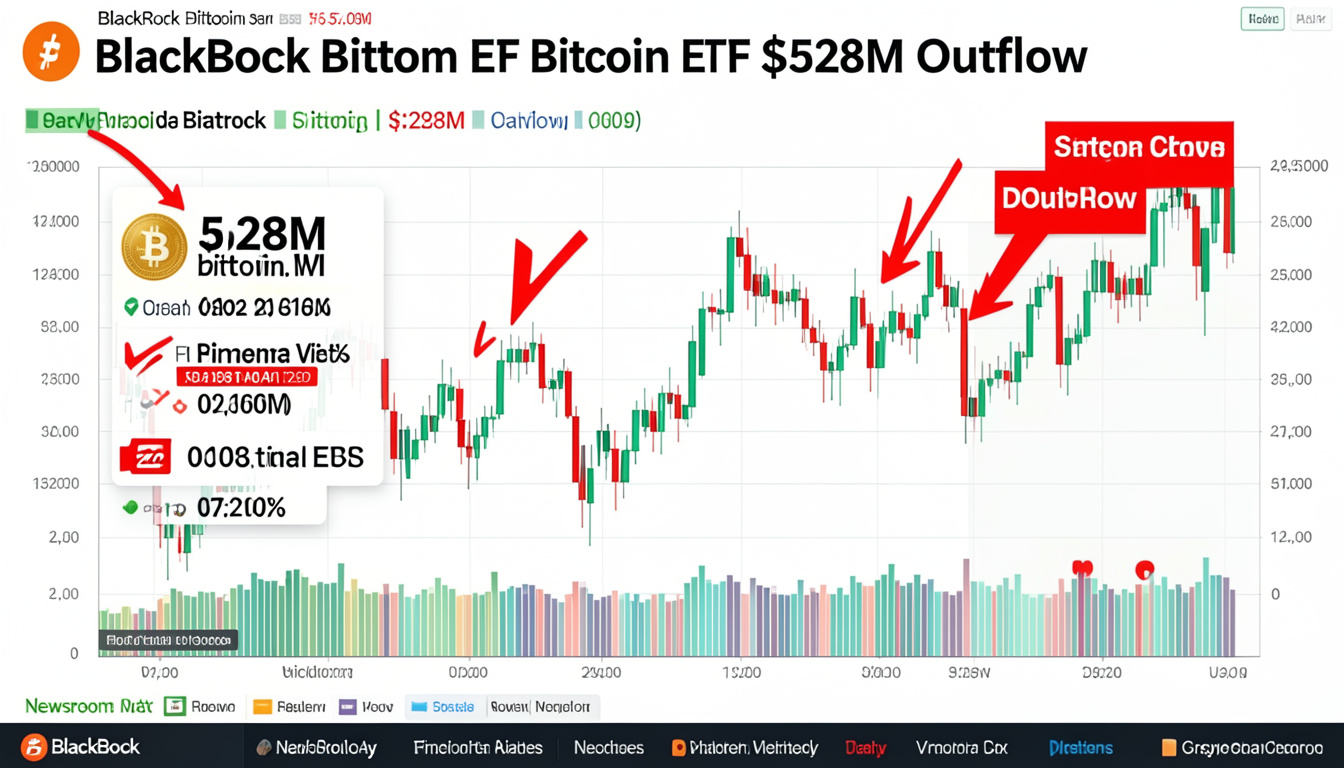
BlackRock’s iShares Bitcoin Trust (IBIT) saw its second-largest daily net outflow on Wednesday, coming within a fraction of its January record, as geopolitical tensions tied to Iran triggered a pullback in institutional bitcoin exposure.
The fund recorded $527.84 million in net redemptions, according to SoSoValue data, just under the $528.3 million withdrawn on Jan. 30 — its largest outflow on record. IBIT continues to dominate the institutional landscape, with roughly $59 billion in assets and control of nearly 4% of bitcoin’s circulating supply.
The outflows were part of a broader retreat from U.S. spot bitcoin ETFs. Combined, the 11 listed funds posted $733.43 million in net withdrawals on the day. Fidelity’s FBTC saw $60.30 million exit, while Grayscale’s GBTC recorded $104.76 million in outflows, adding to IBIT’s losses. The sector has now logged consecutive days of redemptions, with cumulative outflows exceeding $2 billion over the past two weeks.
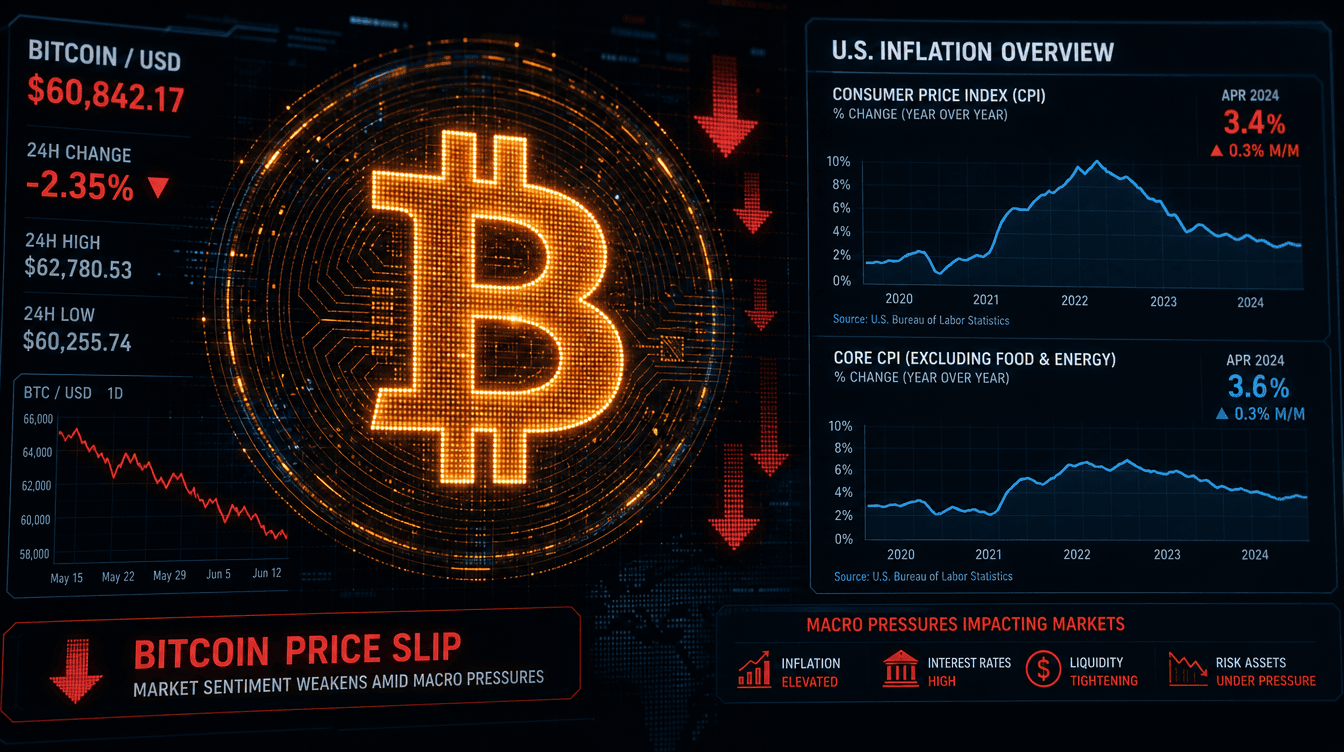
The wave of selling coincided with a decline in bitcoin’s price, which slipped below $73,000 on Wednesday. The asset was trading at $72,978 during Asian hours on Thursday, down 3.4% over the previous 24 hours. The drop followed U.S. airstrikes on an Iranian military site near the Strait of Hormuz, reviving geopolitical risks that markets had begun to discount.
ETF flows and price action appeared to reinforce one another, as redemptions forced issuers such as BlackRock to sell underlying bitcoin to meet investor withdrawals.
Wednesday’s outflow followed a notable transaction the previous day, when a single investor sold $1.29 billion worth of IBIT shares in a dark-pool block trade. These privately negotiated deals allow large participants to execute sizeable trades without immediately impacting public market prices.
While such block trades do not necessarily result in net outflows — as buyers can absorb the shares — IBIT still posted $192.44 million in net redemptions on Tuesday. Together, the activity points to a broader trend of institutional de-risking as macro conditions shift.
Flow trends had already been weakening. Net ETF accumulation for the year has slowed to around 4,500 BTC, and May marked a shift from the steady inflows seen in March and April to consistent outflows. Over the same period, bitcoin has fallen from above $82,000 on May 6 to below $73,000, with ETF demand — a key driver of the earlier rally — now acting as a source of selling pressure.
Whether the recent outflows represent short-term caution or a more sustained institutional retreat remains uncertain. Previous cycles suggest IBIT can experience extended periods of outflows without signaling a lasting reversal, with inflows often returning once macro uncertainty subsides.