cpeditor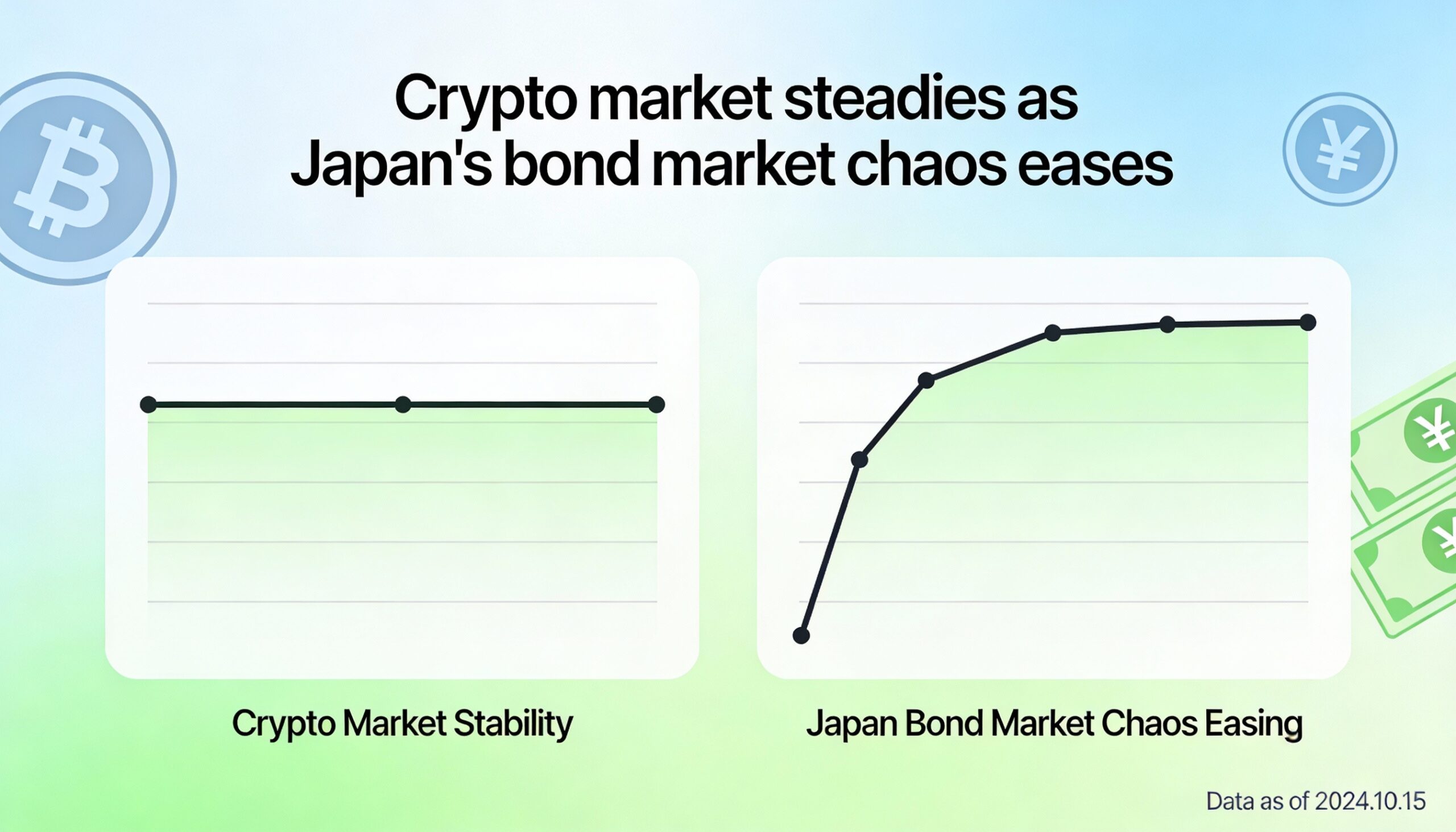
Crypto markets have shown just how sensitive they remain to global bond yields, and while conditions have eased for now, another surge in rates could quickly put bitcoin and other digital assets back under pressure.
On Thursday, major cryptocurrencies stabilized as Japanese government bonds rebounded for a second consecutive session, alleviating a key macro concern that had weighed on bitcoin and other coins earlier in the week.
Bitcoin traded near $90,000 during Asian hours after sharp swings over the past 24 hours, while ether climbed back above $3,000. Other major tokens, including Solana, XRP, and Cardano, also steadied following steep declines earlier in the week, according to CoinGecko data.
The recovery followed gains in longer-dated Japanese government bonds, which helped push yields lower. Yields on 30-year Japanese debt fell sharply after government officials called for calm, partially reversing a surge that had driven borrowing costs to multi-decade highs.
While this stabilization does not signal a full return to risk-on sentiment, it removes one immediate source of stress that had forced traders into defensive positioning earlier in the week.
Japan’s bond market came under heavy pressure at the start of the week, rattling global markets, including cryptocurrencies. The selloff also lifted yields worldwide, including U.S. Treasuries, which underpin global financial conditions.
Movements in Japanese yields matter for crypto because the country’s debt market is central to global capital flows. When long-dated Japanese yields rise sharply, global borrowing costs increase, prompting investors to shift into safer, interest-bearing assets.
That rotation typically weighs on speculative markets such as crypto, which rely on easy financial conditions and ample liquidity. Bitcoin briefly slipped below $88,000 as traders cut exposure, while altcoins fell further as leveraged positions were liquidated.
For now, easing stress in Japan’s bond market has helped digital assets regain footing. But the episode underscores how vulnerable cryptocurrencies remain to sudden shifts in global interest rates and macroeconomic uncertainty.