cpeditor
Crypto Markets Sink as Bitcoin Hits $80K, Fear Index Plummets to Multi-Year Low
Investors remain on edge as they navigate economic uncertainty, keeping a close watch on macroeconomic trends and policy decisions for signs of stabilization.
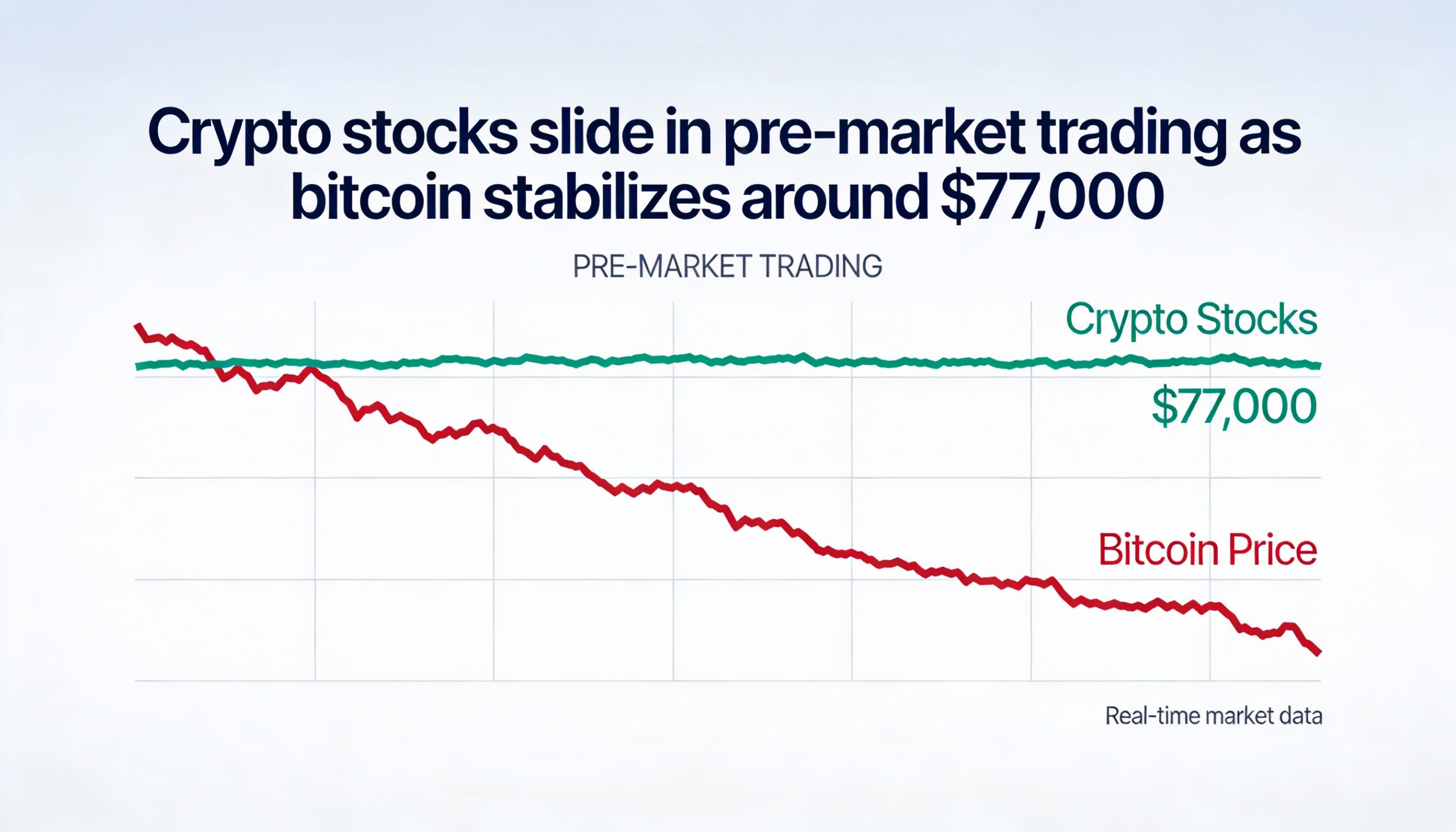
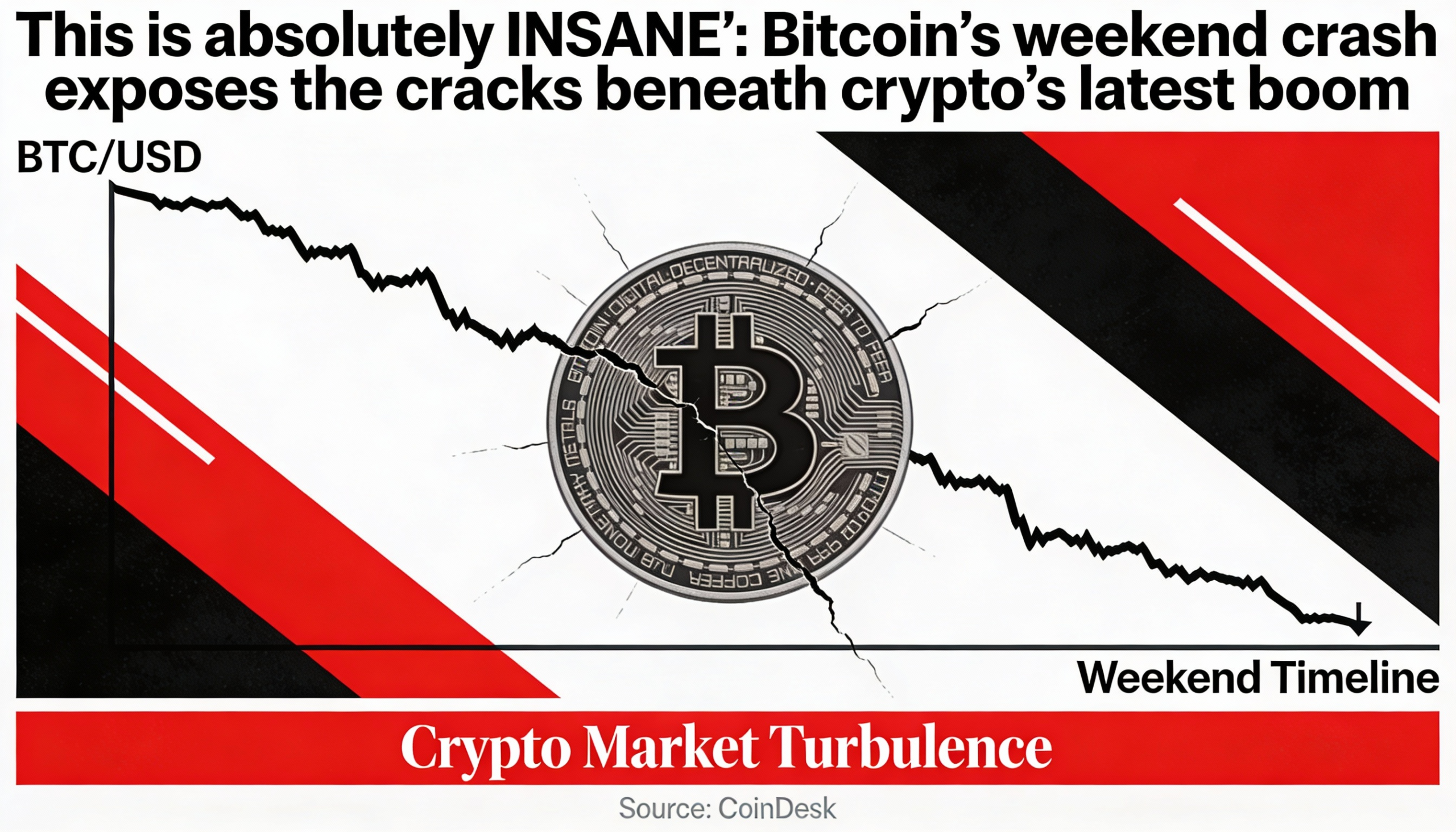
The cryptocurrency market’s sell-off continued into its second consecutive week, with Bitcoin (BTC) tumbling to nearly $80,000 late Sunday. The decline set off another wave of losses across major digital assets.
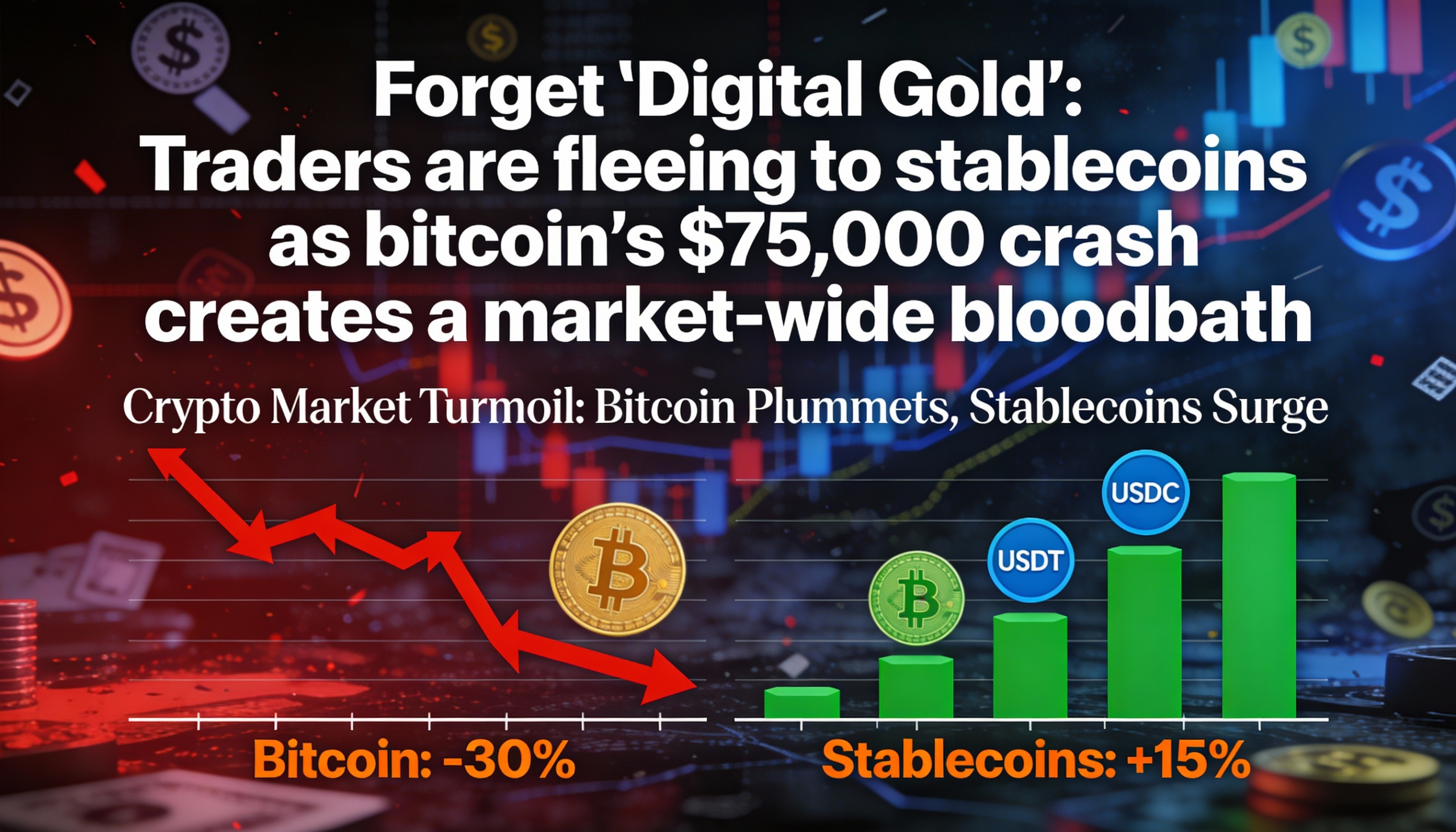
Dogecoin (DOGE) and Cardano (ADA) were among the biggest losers, each shedding nearly 10% in the past 24 hours, while XRP dropped more than 7%, per market data. BNB Chain’s BNB, Ethereum (ETH), and Tron (TRX) recorded losses of around 5%, while BTC itself fell 4%.
The rout dragged the widely followed Crypto Fear and Greed Index down to 17, its lowest level since mid-2023, indicating ‘extreme fear’ among market participants.
Sentiment Sours Amid Ongoing Market Jitters
The Fear and Greed Index, which ranges from 0 (extreme fear) to 100 (extreme greed), serves as a sentiment barometer based on market momentum, price volatility, social media trends, Google search data, and Bitcoin’s dominance. Historically, extreme fear has preceded buying opportunities, while extreme greed has signaled market corrections.
The latest decline wiped out gains made earlier this month after President Donald Trump announced the formation of a U.S. strategic crypto reserve. That announcement had briefly fueled rallies in XRP, Solana (SOL), and ADA, driving them up by as much as 60%.
However, the initial optimism faded when Trump clarified that the reserve would primarily consist of previously seized BTC, while other digital assets would simply be cataloged as a ‘stockpile’ rather than actively managed holdings.
White House Crypto Summit Fails to Boost Confidence
Hopes for a regulatory breakthrough were further dashed after the White House Crypto Summit on March 7 failed to deliver major policy shifts. Instead of the sweeping reforms traders had hoped for, the event concluded with a roadmap for stablecoin regulation by August and a commitment to reducing regulatory burdens—developments that fell short of market-moving impact.
Broader Economic Pressures Deepen Crypto Losses
Global economic concerns have exacerbated crypto’s downturn. The escalating tariff war initiated by Trump and other world leaders has unsettled financial markets. Meanwhile, the U.S. dollar index (DXY), a key measure of dollar strength, has dipped below 105—its lowest level since November. A weaker dollar can sometimes boost risk assets, but broader market uncertainty has kept crypto investors wary.
“The summit initially generated optimism,” Kevin Guo, Director of HashKey Research, told CoinDesk via Telegram. “But with no groundbreaking policy shifts, crypto continues to mirror the decline in U.S. equities following February’s job report, which showed stability despite government job cuts.”
Federal Reserve Chairman Jerome Powell’s reaffirmation of a patient approach toward achieving a 2% inflation target has further weighed on sentiment, as investors scale back expectations of near-term rate cuts. Lower interest rates typically stimulate inflows into speculative assets, including cryptocurrencies.
Could a Rebound Be on the Horizon?
Despite the current downturn, some traders remain hopeful for a recovery. Bloomberg reports that investors have been moving into short-term U.S. Treasuries, anticipating that the Federal Reserve may cut interest rates as early as May to prevent economic slowdown. If this materializes, lower borrowing costs could drive renewed demand for risk assets, potentially fueling a crypto market rebound in the coming months.