cpeditor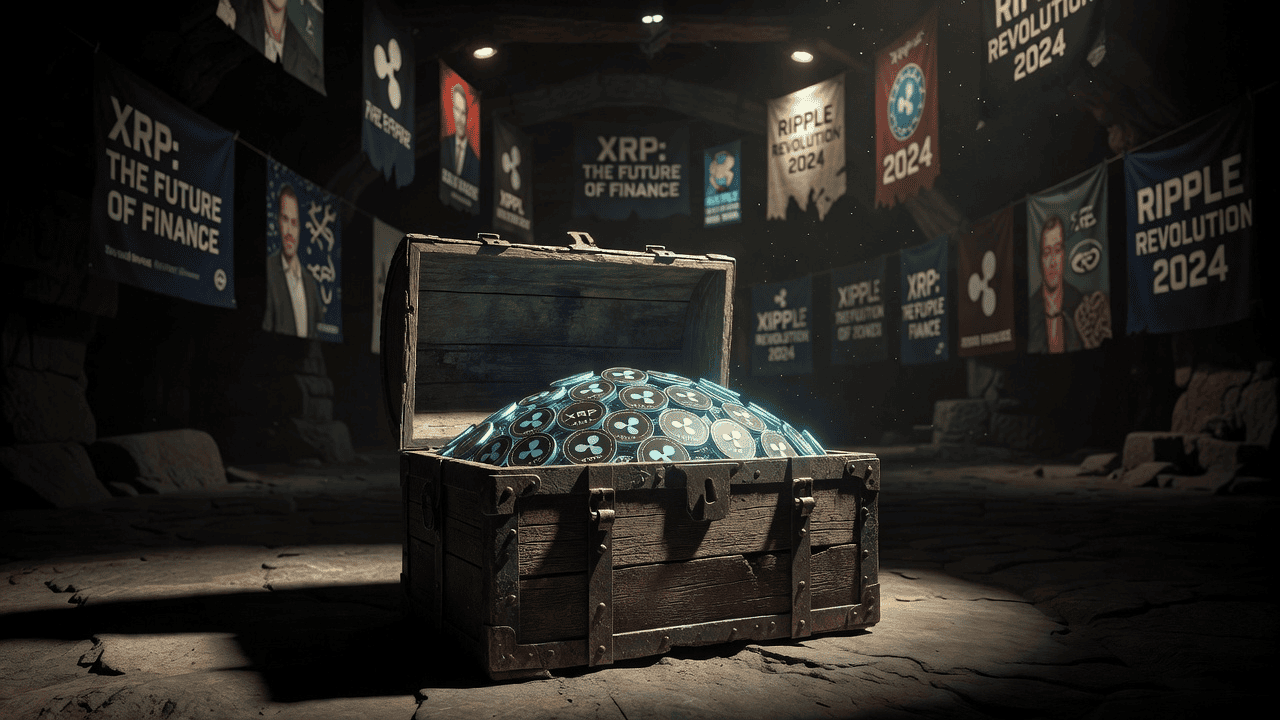
FairShake and its network of affiliated PACs have amassed $193 million ahead of the 2026 midterm elections, backed by major crypto firms including Coinbase, Ripple, and Andreessen Horowitz, as Congress debates digital asset market structure reforms.
The bipartisan crypto super PAC disclosed the $193 million total to CNBC ahead of the January 31 Federal Election Commission deadline, with Ripple emerging as the leading contributor.
The fundraising surge comes as the Senate begins work on a comprehensive crypto market structure bill. The Agriculture Committee is set to advance part of the legislation, while progress in the Banking Committee remains stalled due to disputes over regulatory authority between the Securities and Exchange Commission and the Commodity Futures Trading Commission.
More than a fundraising milestone, the buildup reflects a strategic shift. The crypto industry has transitioned from episodic political spending to a permanent electoral presence, with sufficient capital to influence dozens of congressional races before the general election phase.
Funding Structure and Key Contributors
The $193 million total is spread across three aligned PACs: FairShake, which supports candidates from both parties; Protect Progress, focused on Democrats; and Defend American Jobs, aligned with Republicans—allowing coordinated yet targeted spending.
A significant portion of the total came from late-2025 contributions. Ripple added $25 million, with CEO Brad Garlinghouse framing it as a continuation of earlier efforts.
Andreessen Horowitz contributed $24 million via its crypto arm, a16z, while Coinbase had already committed $25 million earlier in the year, just before FairShake reported $141 million on hand. Combined, these contributions added roughly $74 million in the second half of 2025, according to Politico.
FEC data compiled by Bloomberg Government shows that during the 2023–2024 cycle, FairShake and its affiliates raised approximately $93.5 million from Coinbase, $45 million from Ripple, and about $67 million from Marc Andreessen and Ben Horowitz. The current donor base remains largely unchanged.
Legislative Timing and Political Strategy
The fundraising aligns with Congress’s ongoing effort to pass a comprehensive framework for digital asset regulation. Progress has been uneven across committees.
The Agriculture Committee vote will mark the bill’s first procedural step, while jurisdictional disagreements between the SEC and CFTC continue to delay action in the Banking Committee.
FairShake deployed roughly $195 million during the 2024 cycle, which it credits with helping advance stablecoin legislation in 2025. The current war chest is positioned to influence lawmakers’ positions on broader crypto regulation, supporting allies and opposing critics.
A spokesperson, Josh Vlasto, said the group remains focused on backing pro-crypto candidates and challenging anti-crypto policymakers as the midterms approach.
Spending Scale and Industry Impact
Bloomberg Government data shows FairShake holds the largest industry-specific war chest entering a midterm cycle, exceeding similar efforts in finance and healthcare.
Across the broader crypto political network, total funding reached about $221 million for the 2026 cycle as of early this year.
Spending has already been substantial. Reuters reported that crypto-aligned groups had deployed around $189 million in primary races by mid-2026. Forbes noted that much of the capital has already been directed toward independent expenditures ahead of general election campaigning, signaling a focus on shaping primary outcomes.
Campaign finance watchdogs have described the effort as one of the most aggressive industry-led political campaigns in recent memory.
The scale of activity raises questions about whether similar corporate-backed political strategies will emerge in sectors such as artificial intelligence and fintech as lawmakers expand their focus to broader digital regulation.
Future FEC filings are expected to provide further detail on how remaining funds will be allocated, particularly in key Senate races where digital asset policy remains contested.