cpeditor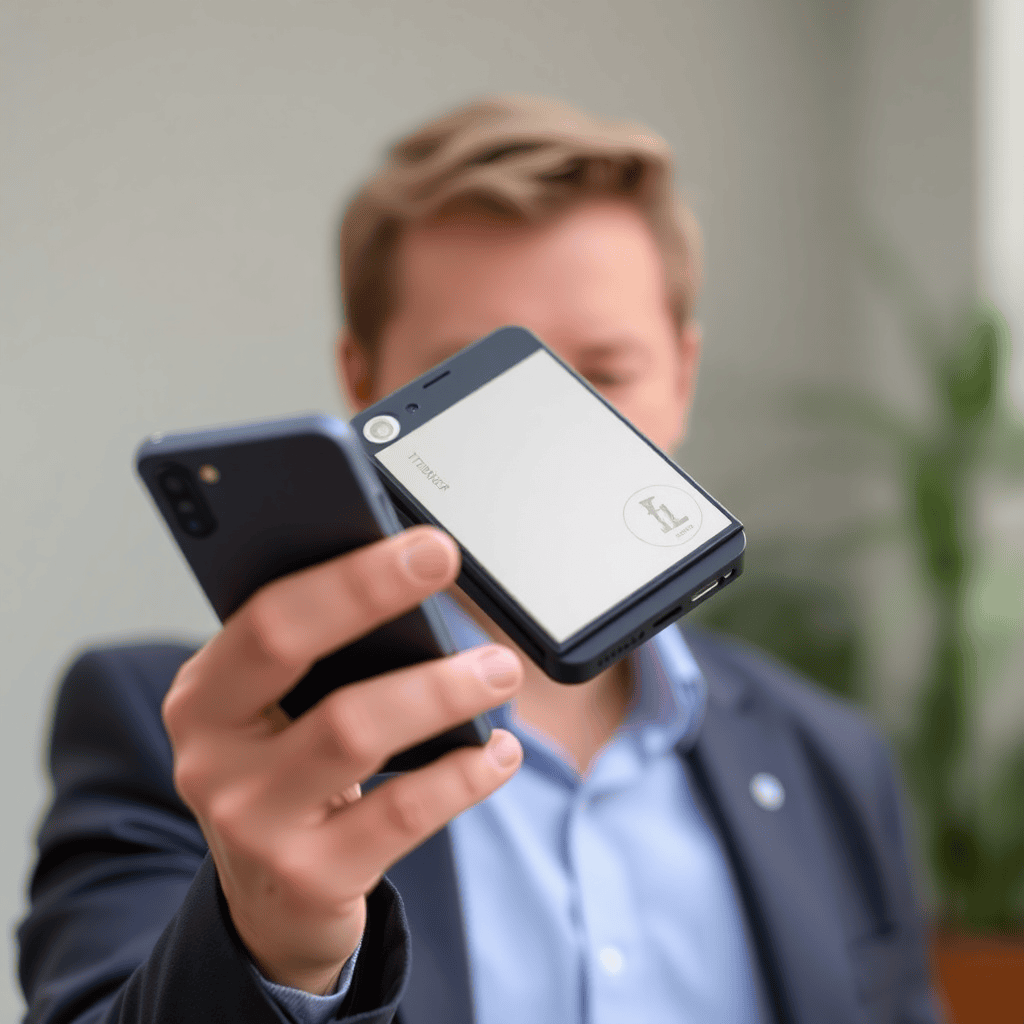
Ledger is preparing to enter the smartphone market with the Atom, a device that combines everyday mobile features with dedicated safeguards for cryptocurrency management. Users will be able to run applications such as WhatsApp and Instagram while switching to a secure environment for handling digital assets.
The planned launch marks a change in direction for Ledger, which has built its reputation on hardware wallets designed primarily to protect cryptocurrency holdings. With the Atom, the company intends to extend its security technology into a device that can also handle routine smartphone tasks.
The Atom is expected to arrive in mid-2027 and will operate on Android. This will allow users to install popular apps, including WhatsApp, Instagram and TikTok, alongside tools for managing their digital assets. Ledger also plans to integrate the OpenClaw AI assistant into the device.
Manufacturing is expected to take place at Ledger’s facility in Vietnam, where the company produces some of its more sophisticated hardware products.
The announcement follows a reported supply-chain security breach involving Malaysian distributor CryptoBilis. Attackers allegedly altered hardware wallets before they reached customers, raising concerns about the risks associated with third-party distribution. Onchain researchers estimated that losses could have reached $93.2 million across more than 300 wallets. Tether also froze $10 million in USDT reportedly connected to the theft.
Reports indicated that the compromised devices contained concealed chips capable of capturing users’ 24-word recovery phrases. These phrases are essential for restoring access to cryptocurrency wallets and should remain private. The hidden components allegedly obtained the information by reading signals from the devices’ displays.
The breach mainly affected users in Southeast Asia. Ledger cited research on Wednesday indicating that no financial losses had been reported in Europe.
Ledger says the Atom will feature additional protections intended to prevent similar attacks. According to a company spokesperson who spoke to CoinDesk by email, the planned measures include a protective enclosure around sensitive components, sensors that identify attempts to remove the screen or back cover, and packaging designed to reveal evidence of tampering.
The device’s tamper-detection system will have an independent battery, enabling it to remain operational even when the smartphone is switched off. Ledger said the Atom’s Core protective enclosure is specifically designed to block screen-reading implants similar to those allegedly involved in the recent breach.
To reduce its reliance on external distribution networks, Ledger plans to sell the Atom directly through its official website at launch. The company believes this approach could limit exposure to channels similar to those implicated in the CryptoBilis incident.
Ledger has no current plans to offer trade-in programs for customers affected by the breach. However, it has left open the possibility of introducing promotional offers for future upgrades.
Combining smartphone features with hardware-based cryptocurrency security is not a new concept. Solana introduced its Saga smartphone in 2023, followed by the Seeker the next year. Both devices included built-in protections for private keys.
Ledger is taking a different route by building outward from its existing hardware wallet technology. Rather than adding crypto-security features to a conventional smartphone, the company aims to turn its security-focused device into a product suitable for everyday communication, applications and digital asset management.