cpeditor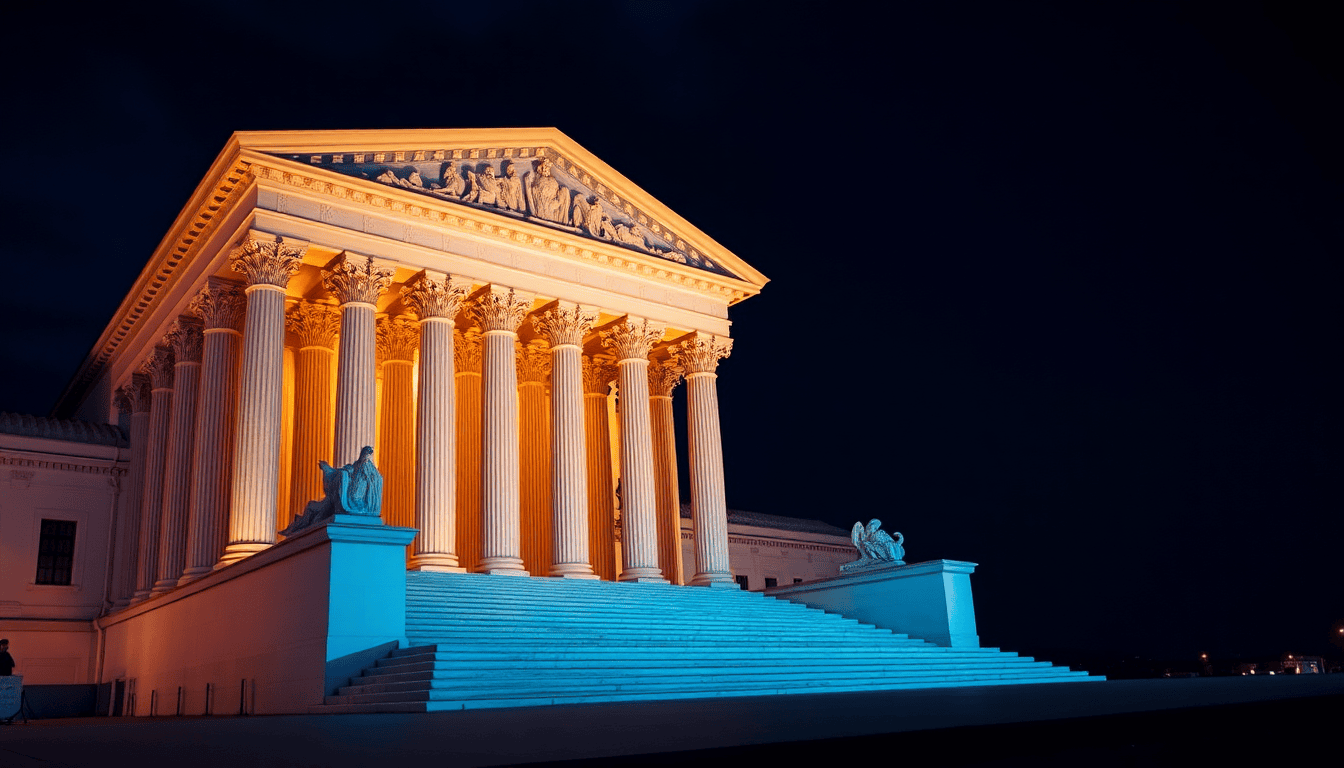
Supreme Court Watch
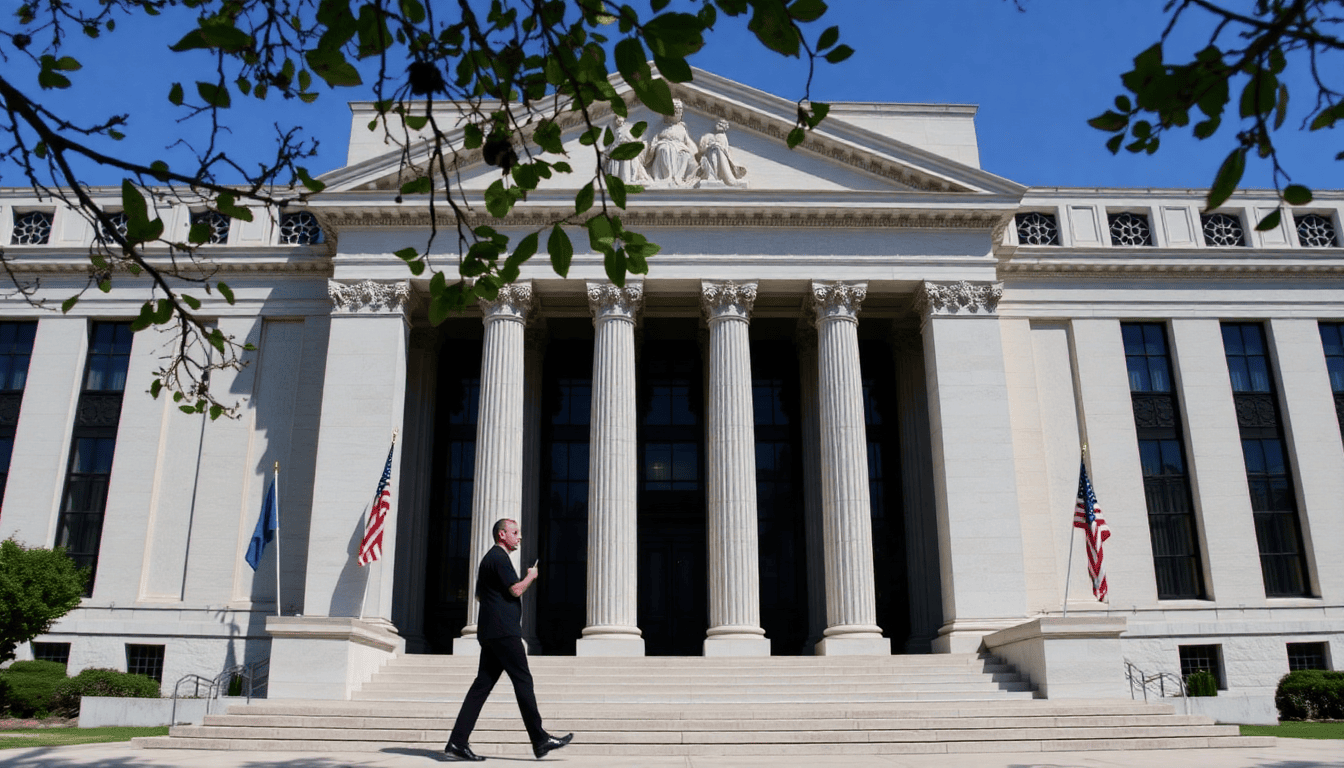
New Jersey has asked the U.S. Supreme Court to intervene in its legal battle with Kalshi, bringing the regulatory fight over prediction markets closer to a possible review by the nation’s highest court.
The dispute revolves around how sports-based prediction contracts should be classified. New Jersey argues that they fall under state gambling laws, while prediction-market operators maintain that the contracts are federally regulated financial products overseen by the Commodity Futures Trading Commission (CFTC).
The filing does not guarantee that the Supreme Court will hear the case. Still, developments across the federal appeals courts have created a legal landscape that could encourage the justices to step in.
Why It Matters
Attorneys who have monitored prediction-market litigation increasingly believe that the Supreme Court will eventually have to resolve the issue, potentially within the next year.
The consequences of such a ruling could extend across the entire prediction-market industry.
If sports contracts are deemed gambling products, companies offering them could be required to obtain individual state licenses, secure regulatory approvals and pay gambling-related taxes wherever they operate.
A ruling that classifies the contracts as swaps subject to federal CFTC oversight could substantially limit states’ ability to regulate the platforms. It could also create significant competitive and regulatory implications for conventional sports-betting companies.
The Legal Fight
New Jersey is asking the Supreme Court to determine whether the Dodd-Frank Wall Street Reform and Consumer Protection Act prevents states from enforcing gambling restrictions against contracts traded on federally regulated designated contract markets.
The case has become more significant because federal appeals courts are no longer aligned on the issue.
The Third Circuit ruled for Kalshi in April. Last month, the Ninth Circuit reached a different conclusion, creating the circuit split that Supreme Court observers had been waiting for.
New Jersey already had the ability to petition the Supreme Court following the Third Circuit’s ruling. However, Carl Kennedy, a Katten partner who co-chairs the firm’s financial markets and regulation group, said the Ninth Circuit’s conflicting decision gives the dispute additional momentum.
The Supreme Court could wait for other appeals courts to issue decisions, including cases pending before the Sixth and Fourth circuits. But the justices can also consider the matter now that a split exists.
Katherine Kirkpatrick Bos, head of legal at Chainlink Labs, said a conflict between appellate courts combined with a question affecting an entire industry can make a case particularly suitable for Supreme Court review.
Todd Phillips, a director at Klaros Group, said future rulings could still influence the court’s decision.
If the Ninth, Sixth and Fourth circuits all side with states while the Third Circuit remains the exception, the Supreme Court could view that as evidence of a broader judicial consensus. If those courts produce competing rulings, however, the additional disagreement could make Supreme Court intervention even more important.
CFTC Rules Could Delay Review
The court may also decide to wait for the CFTC to complete its regulatory work.
Daniel Wallach, a lawyer specializing in gaming and sports-betting law, said the agency’s pending rulemaking on event contracts could affect the timing of any Supreme Court review.
The CFTC has proposed changes to its prediction-market rules, but the process is not yet complete. Wallach expects any final regulation to face a challenge under the Administrative Procedure Act.
Such litigation could persuade the Supreme Court that the broader issue is not yet sufficiently developed for review.
New Jersey could also expand its arguments beyond those used in its initial district court case, Kennedy said. The state can potentially draw from legal arguments raised in other prediction-market disputes as those cases move through the courts.
If several of these cases are eventually consolidated, those additional arguments could become increasingly important, Phillips said.
Wallach expects both states seeking greater control over prediction markets and the companies offering these products to push for their respective positions before the Supreme Court.
He also pointed to historical data showing that the Supreme Court reverses lower-court decisions roughly 70% of the time, though that statistic does not necessarily indicate the outcome of this case.
What Happens Next?
The Supreme Court has around 90 days to decide whether to grant New Jersey’s request for review, Kennedy said.
Kalshi will have 30 days to respond once the petition is officially docketed, according to Wallach.
The first stage would focus on whether the Supreme Court should accept the case. Only if the justices grant certiorari would the proceedings move to the substance of the dispute and the competing arguments over state and federal authority.
Clarity Act Faces a Tight Timeline
The Digital Asset Market Clarity Act is also facing a difficult legislative schedule.
The U.S. House of Representatives is not expected to meet during the final two weeks of September. That makes it highly unlikely the bill could become law before the midterm elections, even if the Senate approves it later this month.
The legislation received some favorable news Friday when the National Sheriffs’ Association informed Senate leaders that it was moving from opposition to a “neutral” position.
However, significant questions remain unresolved.
Negotiations over the bill’s ethics provisions have not been publicly addressed in detail, while the debate over stablecoin yield continues.
Crypto executives surveyed last week were split evenly over whether the legislation has a realistic chance of passing.
That debate could intensify as the Senate prepares to return and approaches its first procedural vote on the measure.
Looking Ahead
Prediction markets are moving toward a potentially defining legal battle.
With New Jersey now asking the Supreme Court to intervene and federal appeals courts offering conflicting views, the justices have a clear opportunity to establish where the line should be drawn between state gambling regulation and federal oversight of financial markets.