cpeditor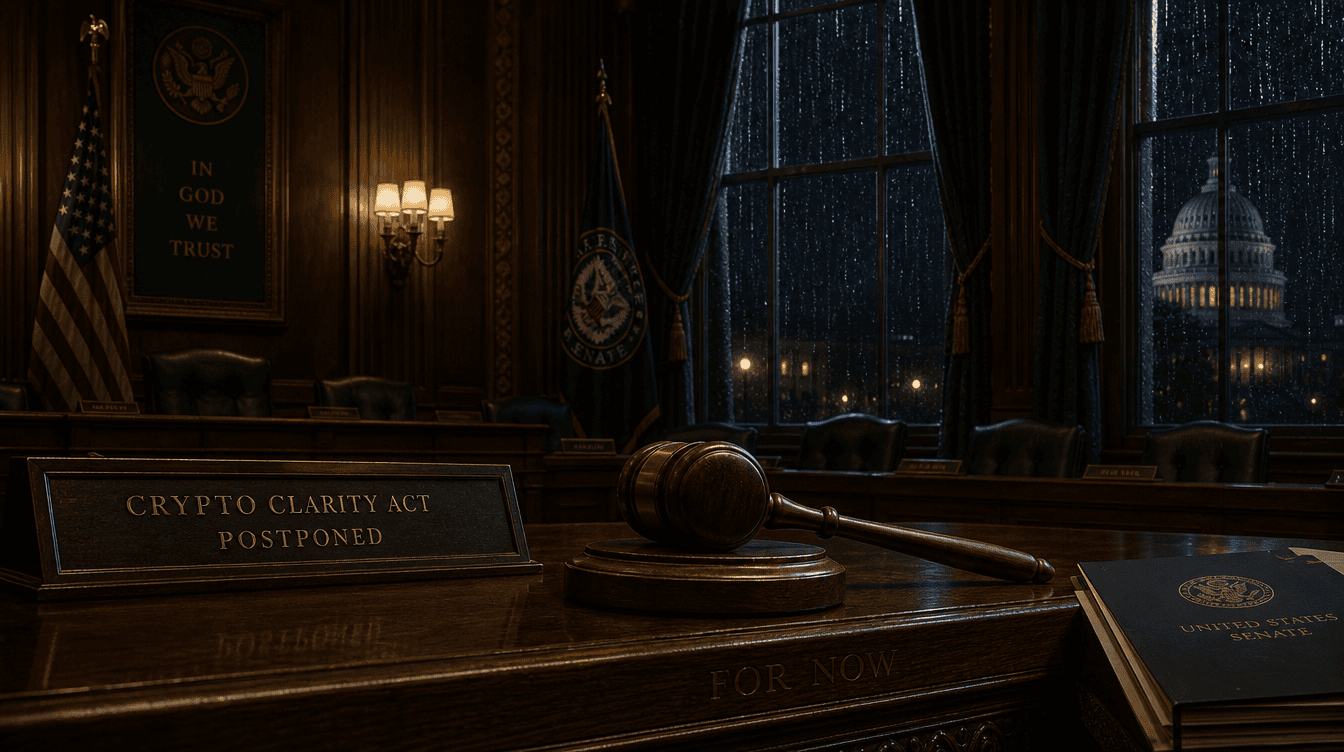
The U.S. Senate has delayed action on the crypto-focused Clarity Act as lawmakers shift their attention to other legislative priorities, leaving the digital asset sector waiting for the bill’s next opportunity to move forward.
The Digital Asset Market Clarity Act is temporarily on the sidelines as Senate leaders focus on separate issues, including Russia sanctions and federal appointments. The scheduling conflict adds another obstacle for the crypto industry’s major regulatory push as lawmakers face a limited window before the summer recess.
Senate Majority Leader John Thune began the week by advancing a group of nominations and is expected to take up the Russia sanctions legislation next, triggering the cloture process. Because Senate rules require multiple procedural steps and generally allow only one major contested measure to advance at a time, the Clarity Act is unlikely to be considered until the current priorities are resolved.
The Russia sanctions bill would introduce measures targeting Russia’s leadership and impose tariffs on certain countries that continue trading with Moscow. The legislation is also being dedicated to the late Senator Lindsey Graham, a supporter of the proposal. His funeral events in Washington and South Carolina are expected to further reduce Senate availability during the week.
As a result, the Clarity Act is unlikely to receive a vote before next week, leaving only a narrow period before the Senate’s August 8 summer recess. Even if lawmakers find time for the bill, negotiations remain incomplete over a controversial ethics provision that would limit senior government officials, including President Donald Trump, from supporting or promoting crypto projects.
Thune has indicated that he wants to bring the legislation forward before the break, but he has also acknowledged that the final decision depends on whether sufficient votes are available.
With the Senate calendar rapidly filling up, floor time has become increasingly limited. The unresolved dispute over ethics rules remains a major hurdle, potentially reducing the bill’s chances of becoming law in 2026 and extending uncertainty around the future of U.S. crypto regulation.
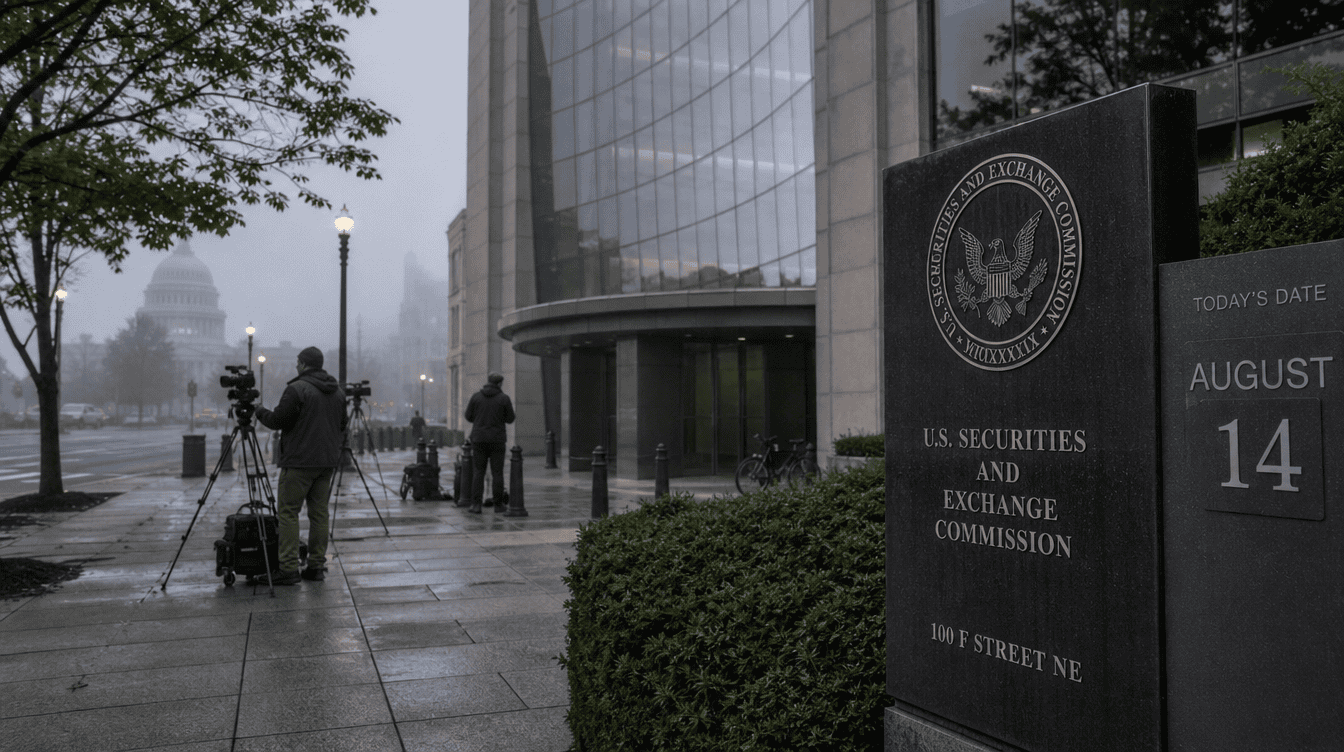
If the Clarity Act does not move forward, the industry may have to rely on other regulatory developments, including the implementation of the GENIUS Act and policy initiatives from the Securities and Exchange Commission and Commodity Futures Trading Commission.
At this stage, the industry’s best chance may be for the Senate to begin the procedural process for the bill shortly before lawmakers leave for recess.
Although a similar version of the legislation has already advanced through the House of Representatives, the Senate has remained the biggest barrier. Earlier disagreements focused on stablecoin yield policies, eventually resulting in a compromise that limited reward structures resembling interest-bearing bank deposits. The debate later shifted toward restrictions on government officials’ involvement in crypto ventures.
Momentum briefly improved last week after Trump indicated he would accept limits on his participation in digital asset projects. White House officials presented the move as a major ethics commitment, while Democrats argued the restrictions were insufficient. Despite the disagreement, both sides agreed to continue discussions.
Lawmakers are scheduled to return for a short session in September, but the remaining floor time will be limited. After the November elections, Congress will enter its “lame duck” period, which can either lead to last-minute legislative deals or become stalled by political disputes.
Even if the Senate passes the Clarity Act, the bill would still need approval from the House, where internal Republican disagreements have recently slowed progress on other measures. If both chambers approve it, the legislation would then move to the president for consideration.
Trump has recently withheld support for unrelated bipartisan legislation while urging lawmakers to address voter identification requirements ahead of the midterm elections. Although he has publicly supported completing the Clarity Act, it remains uncertain whether the bill would receive his approval. If the president does not act within the required 10-day period, an approved bill would automatically become law.