cpeditor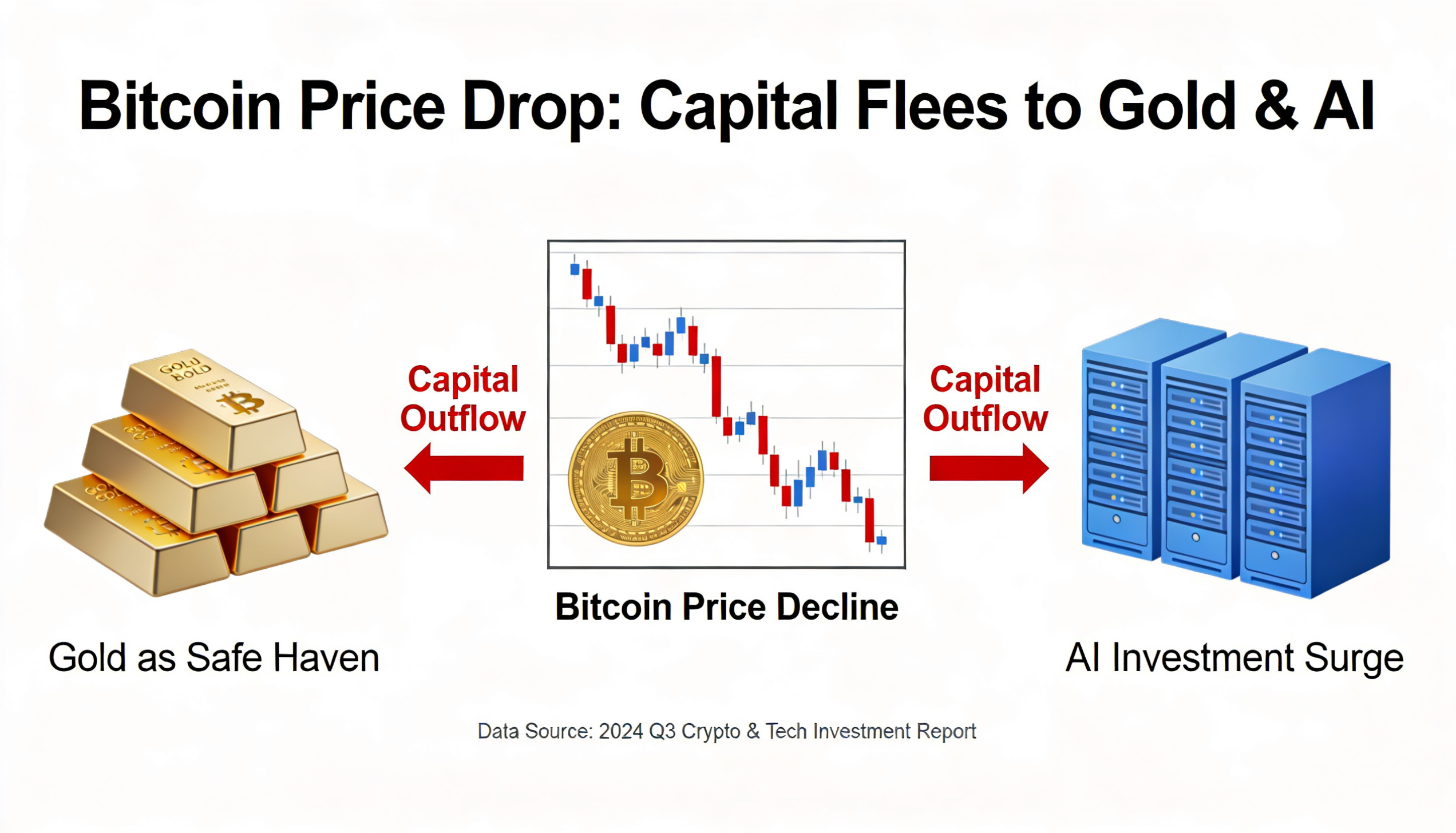
Bitcoin’s disappointing performance in 2026 has coincided with strong rallies in metals and semiconductor stocks, increasing the likelihood that the cryptocurrency may continue to lag other major assets.
The world’s largest digital asset has dropped to 13th place in global asset rankings after sliding to around $76,000, leaving its market capitalization at approximately $1.5 trillion. Bitcoin is down about 11% year to date and nearly 30% over the past 12 months, reflecting sustained weakness.
Meanwhile, capital has been rotating into better-performing sectors. Precious metals have emerged as key beneficiaries, with gold climbing to a record $5,600 per ounce in January before pulling back to around $4,486. Silver also saw a sharp rise, reaching as high as $120 per ounce and currently trading near $76.
This surge has pushed silver into the position of the world’s fifth-largest asset by market value, underscoring renewed demand for traditional safe-haven assets amid ongoing economic uncertainty.
At the same time, the boom in artificial intelligence and semiconductor stocks has far outpaced bitcoin’s returns. The so-called “Magnificent Seven” technology companies have continued their rally, with the Roundhill Magnificent Seven ETF gaining 33% over the past year.
Semiconductor giants have also surged ahead. Taiwan Semiconductor Manufacturing Company and Broadcom have both overtaken bitcoin in market capitalization, each now valued at roughly $2 trillion and ranking among the world’s top assets.
Micron Technology has recently crossed the $1 trillion valuation milestone, while Samsung, valued at around $1.3 trillion, now sits just behind bitcoin—highlighting the accelerating shift of investor capital toward AI-driven industries.