cpeditor
Structural changes can create powerful investment opportunities over time, but the dramatic rallies in AI-related chips, commodities, and bitcoin demonstrate how quickly compelling narratives can evolve into speculative bubbles.
The phrase “paradigm shift” is often used too broadly, sometimes describing what may simply be short-term capital rotation into the latest popular market theme. The recent AI-led semiconductor boom is a prime example of how investor excitement can rapidly build around a promising trend.
Companies such as Amazon and Google are committing enormous resources to AI infrastructure, expanding data centers equipped with thousands of specialized AI processors. These systems depend heavily on high-bandwidth memory for computing performance and NAND flash storage capacity, driving demand higher and tightening chip supply.
Micron Technology (MU), a producer of DRAM, NAND, and memory solutions, and Sandisk (SNDK), which specializes in NAND flash and solid-state storage, became major beneficiaries of the AI boom. Micron shares gained roughly 700% year over year, while Sandisk climbed more than 4,000%. However, both stocks later declined from their peaks, showing how quickly investor enthusiasm can fade.
The AI rally also produced historic market events, including SpaceX (SPCX) achieving the largest U.S. IPO ever recorded. SK Hynix (00060), a major high-bandwidth memory supplier, raised $26.5 billion through the biggest U.S. listing by a foreign company. Although its ADRs initially surged, subsequent volatility revealed the risks of entering markets at peak excitement, with SK Hynix shares dropping 15% during Asian trading.
A similar cycle unfolded in precious metals. Gold and silver gained momentum through the “debasement trade,” as investors sought protection against concerns over government debt growth, currency dilution, and persistent inflation. Silver jumped more than $120 in January 2026 before later surrendering up to 50% of those gains, while gold experienced a less severe correction.
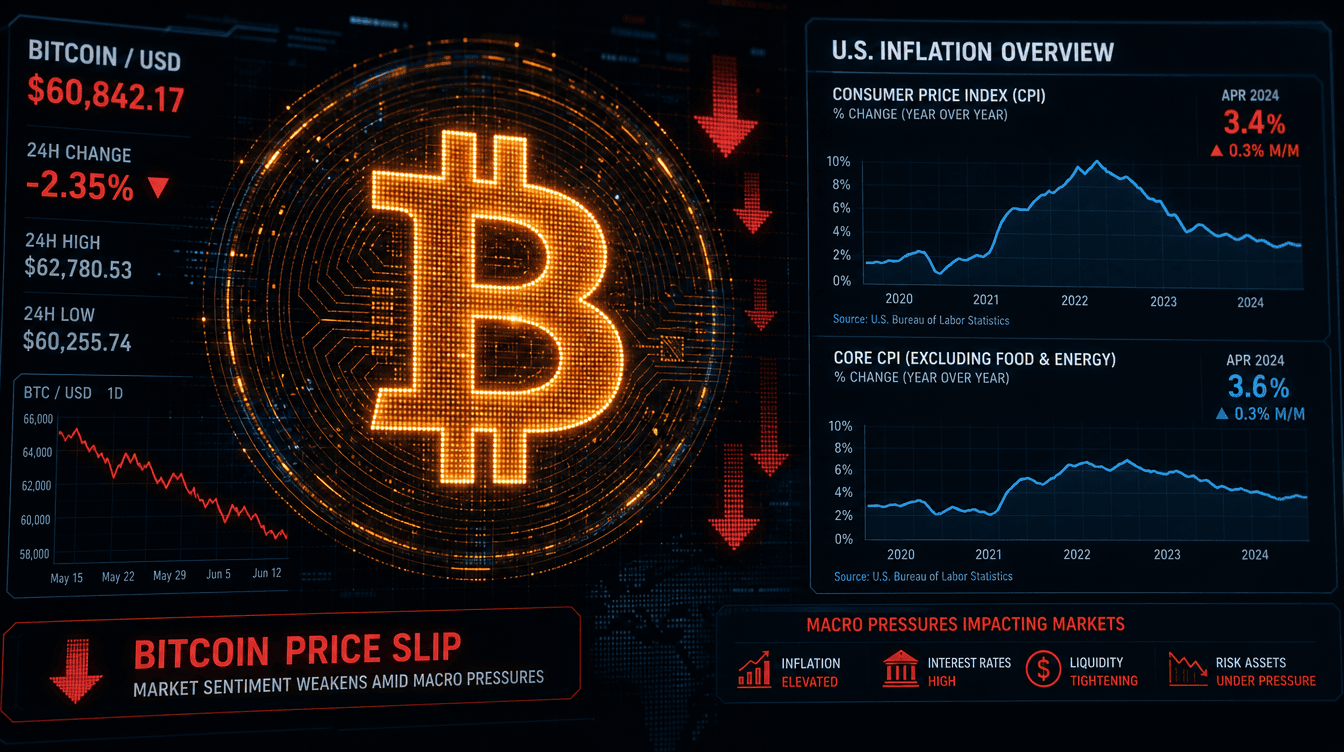
Strategy (MSTR), the largest publicly traded corporate holder of bitcoin, also saw its market narrative weaken. The company’s strategy of issuing shares above the value of its bitcoin holdings and using the proceeds to purchase additional BTC fueled rapid growth, but that premium has since compressed. Strategy’s stock has fallen around 80% from its peak as its valuation moved closer to its underlying asset value.
The main takeaway is that real structural trends can exist alongside cyclical market behavior. Breakthrough technologies and assets can create lasting value, but extreme valuations and investor optimism can still lead to sharp corrections.