cpeditor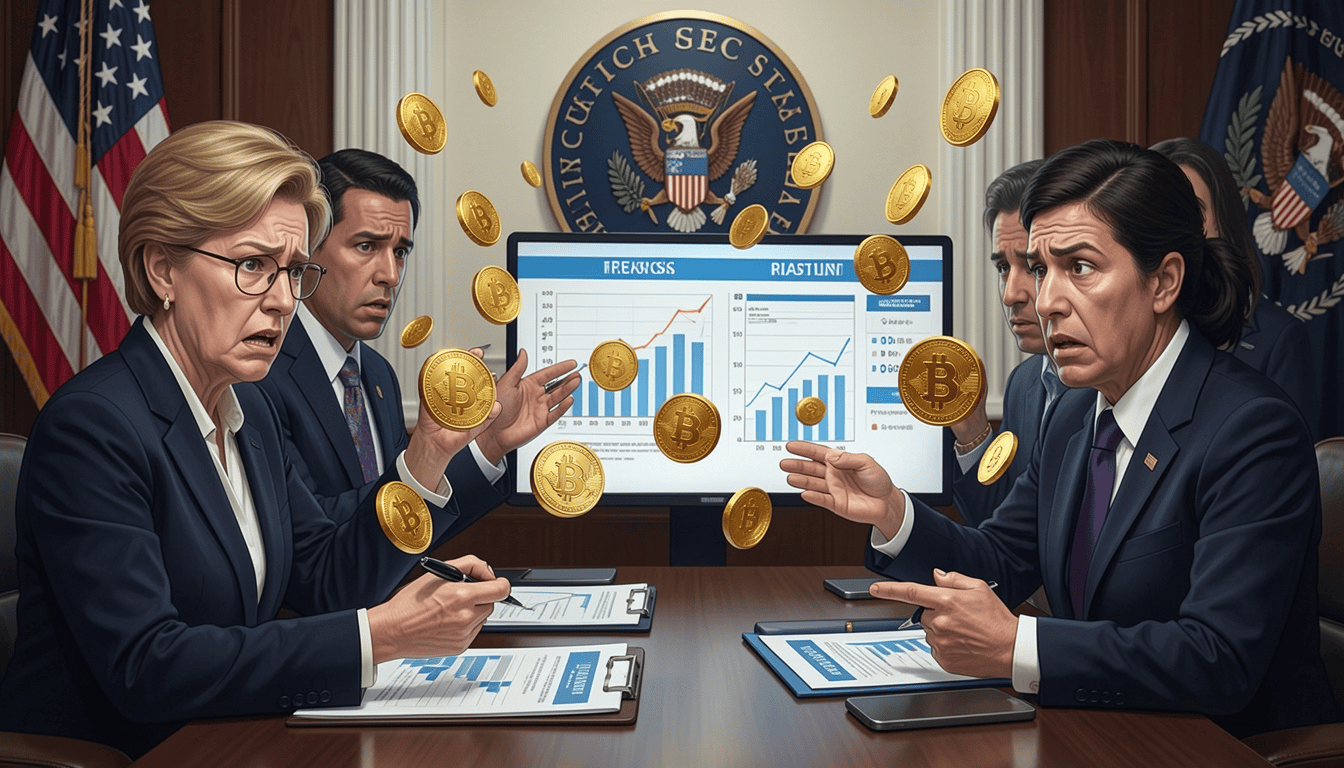
The Securities Transfer Association (STA) is urging the U.S. Securities and Exchange Commission to give preference to tokenized securities that are directly authorized by issuers as regulators consider how traditional assets should transition onto blockchain networks.
As Wall Street institutions and crypto companies compete to digitize stocks and other financial instruments, a major regulatory debate has emerged over whether tokenized assets should represent direct ownership from the issuing company or be created by third-party platforms.
The STA, a trade organization representing transfer agents and major financial market participants, submitted a letter to the SEC arguing that issuer-backed tokenization should receive priority in any future regulatory framework.
The group said blockchain-based shares should represent actual securities approved by the issuing company and recorded in official shareholder databases. It warned that tokens created by unrelated intermediaries could introduce additional risks, including custody concerns, operational vulnerabilities, counterparty exposure, and weaker investor protections.
According to the STA, issuer-sponsored tokens could provide meaningful advantages for investors, companies, and the broader U.S. capital markets, but only if regulators establish a strong foundation for the technology.
The issue reflects one of the biggest questions surrounding the future of tokenized finance: what legal structure should support blockchain-based securities as traditional financial institutions and digital asset companies accelerate adoption?
Tokenization has become a rapidly expanding area of the crypto industry, attracting interest from asset managers, brokerages, and blockchain developers. Supporters argue that putting securities on-chain could improve settlement speed, enable continuous trading, and make financial products more accessible.
Financial institutions expect the sector to grow significantly. Citigroup has forecast that tokenized securities could become a $5.5 trillion market by 2030, with tokenized stocks representing a major part of that expansion.
Tokenization Models Compete for Regulatory Approval
Transfer agents have long served as a critical part of securities infrastructure by maintaining official ownership records, processing transfers, handling corporate actions, and confirming shareholder rights.
As blockchain-based securities have developed, several tokenization models have emerged.
The issuer-sponsored approach allows companies to create authorized digital versions of their shares and record ownership directly in official shareholder systems. Investors receive rights similar to those associated with traditional securities.
Third-party models rely on outside platforms. In custodial structures, regulated entities hold the underlying shares and issue blockchain tokens representing ownership claims. Synthetic models provide exposure to price movements without giving investors direct ownership of the underlying asset.
The SEC previously addressed these differences in a January staff statement on tokenized securities, separating third-party structures into custodial tokenized securities and synthetic products. Although the statement was not official Commission guidance, it provided insight into how regulators are analyzing different approaches.
The tokenized stock market, currently valued at roughly $2 billion, is largely driven by third-party synthetic products, including offerings from Ondo Finance and Kraken’s xStocks. These products are generally not offered to U.S. retail investors.
Meanwhile, companies such as Figure and Securitize have adopted issuer-sponsored models by issuing their own shares directly on blockchain networks.
Dinari has pursued a custodial model and became the first U.S. tokenized equity platform to secure broker-dealer registration. Ondo has also moved toward a custodial framework through its licensed transfer agent and partnership with Broadridge Financial Solutions for shareholder communications and corporate services.
STA Wants Clear Separation Between Models
The STA is calling on regulators to establish a clear distinction between issuer-sponsored tokenized securities and third-party tokenized stock products.
The organization argued that digital shares should only qualify as tokenized securities if they are approved by the issuing company and reflected in official ownership records.
It cautioned that third-party token products could create confusion for investors, reduce shareholder protections, and expose holders to risks unrelated to the underlying company.
The STA recommended that any SEC exemptions, pilot programs, or permanent regulatory frameworks for tokenized securities should focus on issuer-backed models. It also called for companies to approve any products marketed as tokenized versions of their shares.
Executives at Computershare supported the proposal, saying regulators must ensure that innovation develops alongside market stability and investor safeguards.
The company emphasized the need to differentiate between genuine issuer-authorized tokenized securities and products that simply track the performance of traditional stocks.
Equiniti also backed the STA’s position, arguing that digital tokens without issuer authorization and transfer-agent recording should be considered synthetic instruments rather than true tokenized shares.
The STA additionally urged regulators to modernize the Direct Registration System (DRS), arguing that current securities transfer processes are too slow and inefficient for blockchain-based markets.
The group encouraged collaboration between regulators, transfer agents, and the Depository Trust & Clearing Corporation (DTCC) to upgrade settlement infrastructure for digital securities.
Tokenized Stocks Face Increasing Scrutiny
The debate around synthetic stock tokens has intensified as more companies launch blockchain-based equity products.
A previous controversy involving OpenAI and a tokenized product connected to its shares highlighted the risks of creating digital assets without direct approval from the underlying issuer.
The issue is expected to gain more attention as financial institutions expand their tokenization efforts.
Coinbase has announced plans to offer tokenized U.S. stocks, while Robinhood has expanded its stock token services internationally.
Nasdaq received SEC approval to test tokenized securities trading and partnered with Kraken to distribute tokenized stocks globally. The New York Stock Exchange has also partnered with Securitize to develop tokenized securities infrastructure.
The DTCC is preparing to test its own tokenized securities platform, which aims to provide blockchain-based versions of traditional assets while maintaining existing ownership rights and protections.
Industry Debate Continues
Some experts argue that blockchain technology should enhance transfer-agent systems rather than replace them.
Joris Delanoue, CEO of Fairmint, said blockchain can make ownership records more efficient, programmable, and globally accessible, but legal ownership should continue to depend on issuer-approved shareholder registries.
Securitize CEO Carlos Domingo warned that synthetic tokens could increase market fragmentation and create uncertainty for investors. He argued that regulators should clearly distinguish between actual ownership models and products that only provide price exposure.
Other market participants believe regulators should allow multiple compliant tokenization structures.
Gabe Otte, CEO of Dinari, said many concerns raised by the STA primarily apply to synthetic products rather than regulated custodial models. He argued that both issuer-sponsored and custodial structures can provide investors with real ownership rights.
Alan Konevsky, CEO of tZERO, said issuer-backed tokenization offers important benefits but believes the market will likely support multiple compliant approaches.
Eli Cohen, chief legal officer at Centrifuge, suggested the STA’s proposal also reflects concerns about protecting the traditional transfer-agent business model as blockchain alternatives expand.
He said existing market infrastructure must evolve quickly if traditional systems are to remain competitive with blockchain-based solutions.
The SEC has not yet introduced formal rules specifically governing tokenized securities. The agency is expected to develop an innovation framework, but the timing and details remain uncertain.
As Wall Street firms, brokerages, and crypto companies continue developing blockchain-based equity markets, the SEC’s regulatory decisions will likely determine how tokenized stocks evolve and what level of ownership rights and protections investors ultimately receive.