cpeditor
Gold, oil, equities, and bonds faced heavy moves after the latest U.S. strikes on Iran, but bitcoin remained mostly steady despite the broader market turmoil.
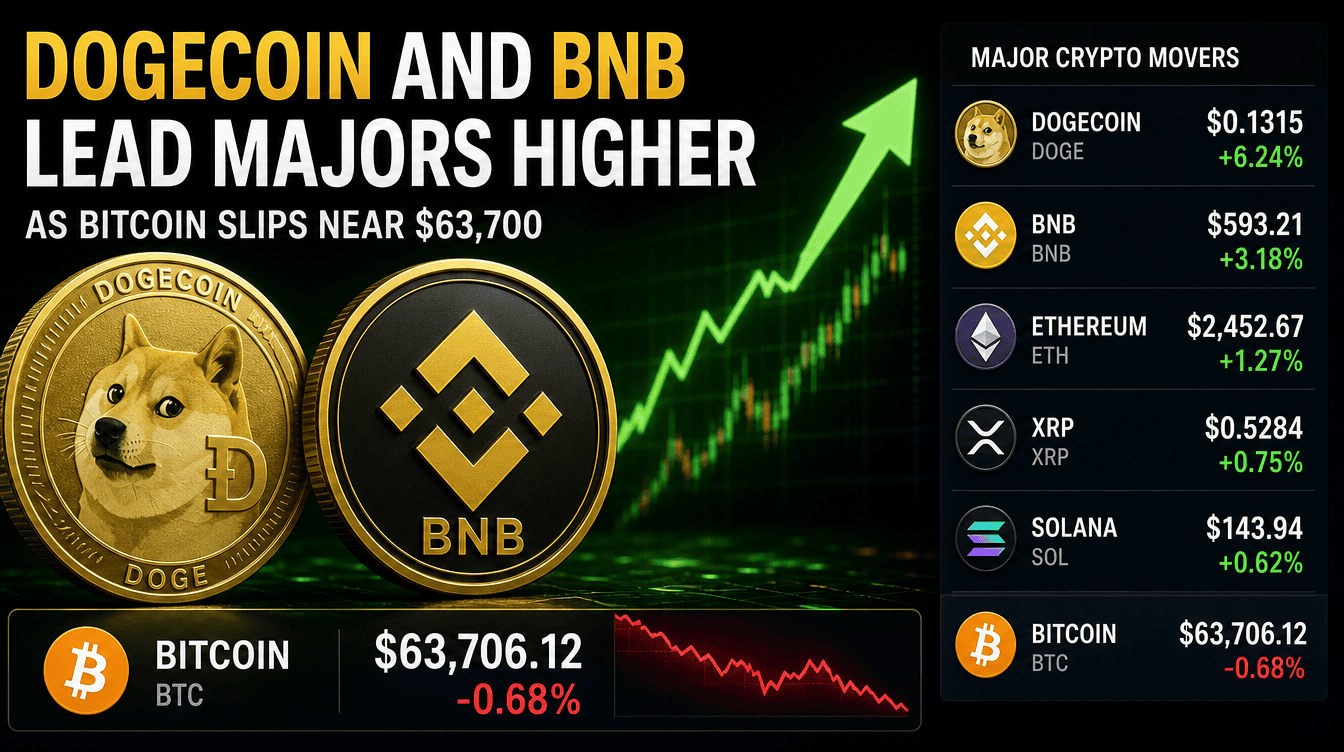
Bitcoin hovered around $63,800 on Monday, barely moving after the fourth round of U.S. attacks on Iran in a week. The leading cryptocurrency declined just 0.3% over the last 24 hours while holding onto a 2% weekly gain.
Traditional markets reacted sharply once weekend trading delays ended. Spot gold dropped as much as 1.6% toward $4,050 an ounce, while Brent crude climbed about 4% above $79 per barrel as uncertainty around the Strait of Hormuz fueled concerns over potential disruptions to global oil supplies.
Treasury markets also weakened, with yields increasing across the curve. The two-year Treasury yield reached its highest level since February 2025, while the MSCI Asia Pacific equity index fell 1.6% amid broader risk-off sentiment.
U.S. Central Command said the strikes were carried out in response to an attack on a container ship. The future status of the Strait of Hormuz remained uncertain after Iran claimed the waterway would be closed, a statement the U.S. rejected. The strategic shipping route accounts for roughly one-fifth of global seaborne oil flows.
The market reaction reflected concerns that a wider conflict could keep energy prices elevated and pressure the Federal Reserve to maintain higher interest rates for longer. Minutes from the Fed’s June meeting showed some policymakers had considered further rate hikes before eventually supporting a pause.
Gold weakened as rising real yields reduced demand for an asset that does not generate income, while bonds declined as investors priced in the possibility of prolonged monetary tightening.
Bitcoin, meanwhile, largely ignored the geopolitical shock. Ether remained near $1,800 and was up about 2% on the week, while most major cryptocurrencies showed limited movement. Solana traded around $76 and was down approximately 5% over seven days. XRP stayed near $1.09, and Dogecoin hovered around $0.07.
The main crypto-related market connection came through South Korean semiconductor stocks. SK Hynix shares plunged 12% in Seoul after its U.S.-listed shares surged 13% during its Friday debut. The reversal helped drag South Korea’s Kospi index down 7%.
The semiconductor rally had previously contributed to bitcoin’s gains, but the sharp pullback in chip stocks on Monday did not trigger a major move in digital assets.
Bitcoin’s ability to hold its range through military escalation, a broad traditional-market selloff, and renewed expectations for tighter Fed policy signals a shift in market behavior.
Unlike earlier cycles when geopolitical headlines often caused immediate crypto sell-offs, bitcoin now appears more focused on liquidity conditions, dollar movements, and technology-sector trends, while commodities, bonds, and equities continue to absorb the direct impact of global uncertainty.