cpeditor
Brad Garlinghouse said he and co-founder Chris Larsen once seriously considered shutting down Ripple and distributing its XRP to shareholders instead of contesting the 2020 lawsuit.
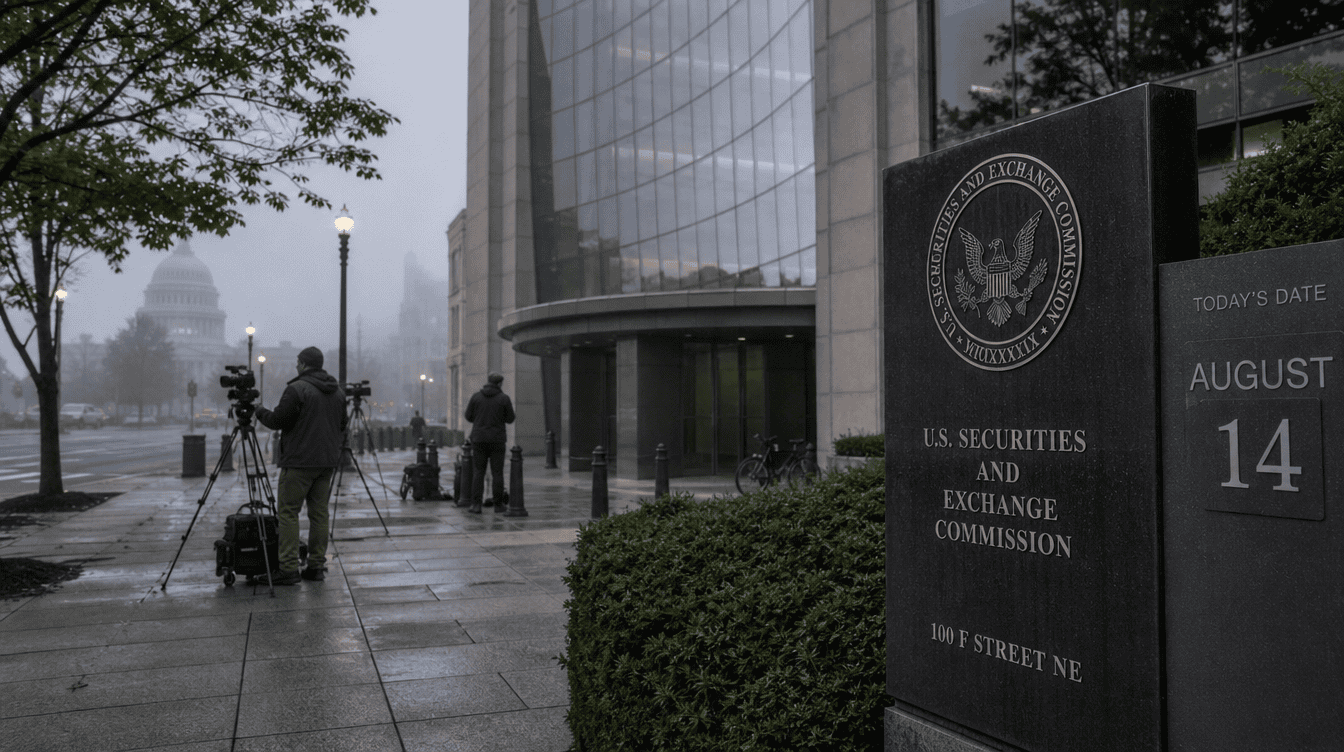
He explained that the company nearly chose to wind down rather than face off with the U.S. Securities and Exchange Commission, highlighting the difficulty of challenging a regulator with vast authority and resources.
Speaking at the University of Kansas School of Business, Garlinghouse said dissolving the company and allocating its XRP holdings proportionally to investors would have effectively ended the legal dispute.
Ultimately, Ripple decided to fight, noting that closing the business would have meant significant job losses. Garlinghouse said that, looking back, he is glad they made that choice, even though it was uncertain at the time.
The SEC sued Ripple in 2020, alleging the company conducted unregistered securities sales through XRP and naming both Garlinghouse and Larsen individually. He added that he met regulators several times between 2017 and 2019 without legal counsel and was never told XRP might be considered a security, reinforcing his belief that regulatory guidance was unclear.
Garlinghouse estimated the company spent around $150 million on legal fees over the four-year battle.
Ripple ultimately secured a major win when Analisa Torres ruled that XRP itself is not a security. The case was resolved in May last year after new SEC leadership adopted a more crypto-friendly stance.